What is World Glaucoma Week/Day?

What is glaucoma?
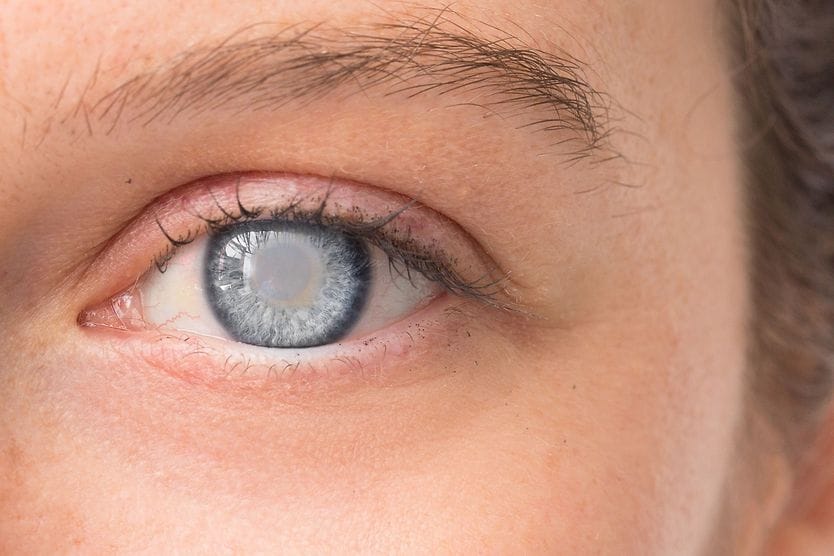
Glaucoma is a group of eye diseases that can damage your eye’s optic nerve, slowly leading to vision loss and blindness. The direct cause of nerve damage isn't well understood. However, glaucoma is often associated with increased eye pressure and other risk factors.
Glaucoma cannot be cured, but it can be treated with medication and surgery. Your eye doctor can monitor the progression of the disease through regular check-ups.
Many people aren’t familiar with the risk factors or effects of glaucoma, even though the condition affects more than 75 million globally. Initiatives such as World Glaucoma Day and World Glaucoma Week are helping to raise awareness and educate the public.
When is World Glaucoma Day?
World Glaucoma Day takes place every year on March 12.
History of World Glaucoma Week
World Glaucoma Week was started in 2020 by the World Glaucoma Association. The annual event serves as a way to educate people around the world about glaucoma, which is the second most common cause of blindness globally.
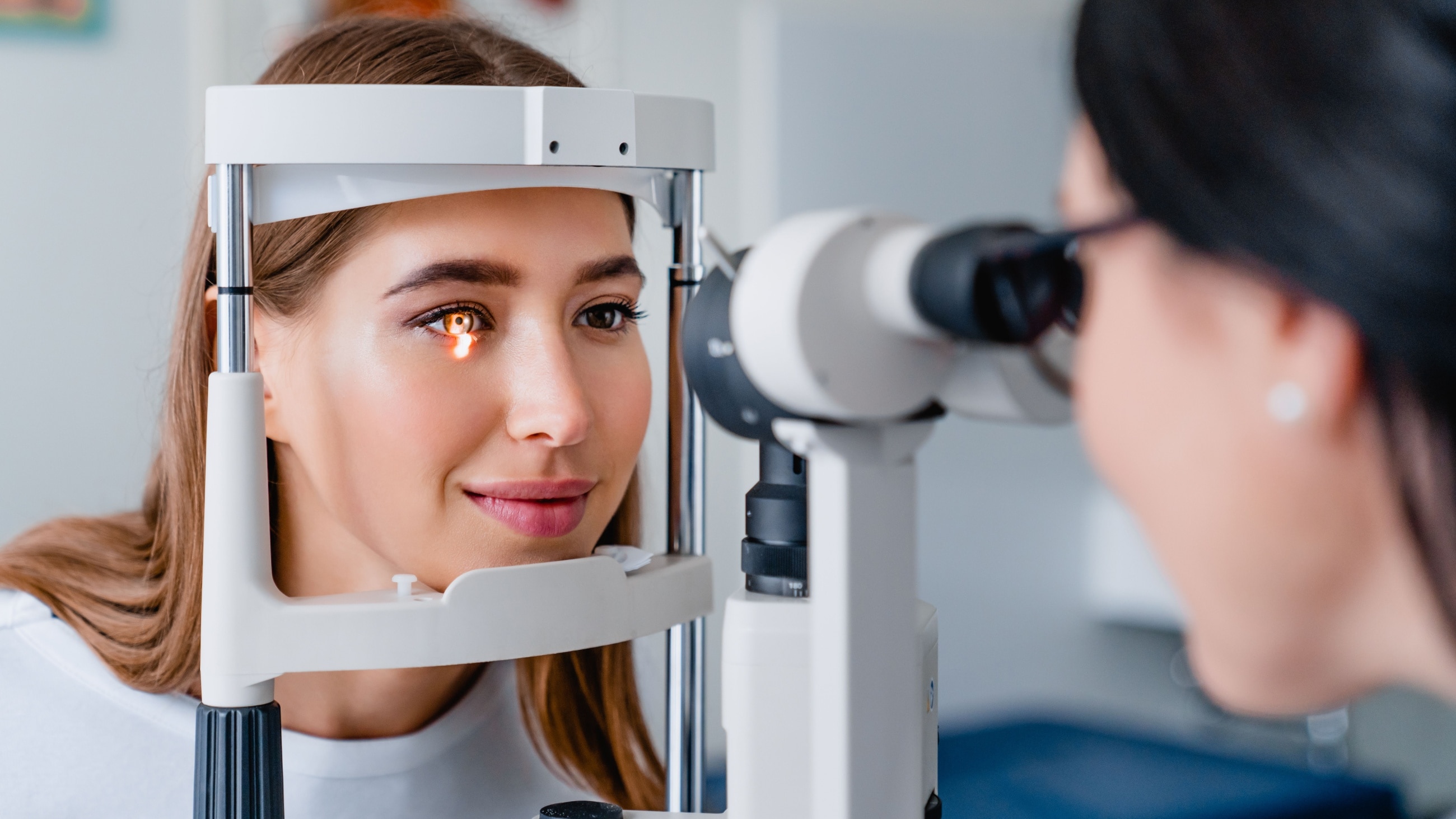
The initiative is meant to help people understand glaucoma's causes, symptoms, treatment and risk factors. It also highlights the importance of early detection and urges people to get screened annually by attending regular comprehensive eye exams.
During World Glaucoma Week, communities around the world help raise awareness by hosting educational workshops, glaucoma screening events, social media campaigns, sporting events and many other activities.
Importance of glaucoma awareness
Approximately 4.22 million people have glaucoma in the United States while about 76 million people globally have the condition. But it’s possible that nearly half the people with glaucoma in the U.S. don’t realize they have it. This is because there are no noticeable symptoms in the beginning stages. Fortunately, your eye doctor may detect glaucoma early during a comprehensive eye exam.
Risk factors
Glaucoma can affect anyone, but some people have certain risk factors that make them more likely to develop the condition. These risk factors may include:
- Having high intraocular pressure (IOP)
- Being 40 years of age or older
- Having a family history of the condition
- Having diabetes
- Having thin central cornea tissue
- Having heart disease or high blood pressure
Different types of glaucoma can also come with additional risk factors, including race/ethnicity, refractive errors, other eye and systemic conditions, long-term steroid use, eye injury and more.
Knowing your risk of developing glaucoma is important because there is currently no cure for the disease. If you believe you are a glaucoma suspect — someone at higher risk of developing glaucoma — schedule a comprehensive eye exam and bring up our concerns with your eye doctor. Early detection (and treatment, if necessary) is important to possibly maintaining your eyesight and preventing future vision loss.
It’s also a good idea to learn more about glaucoma if any of your friends or family members have the disease. Your knowledge can help you understand their struggles and the ideal ways to care for them if they need help.
DID YOU KNOW? Some babies are born with congenital glaucoma.
How to get involved
Glaucoma affects vision in every part of the world. But many people don’t understand the risk factors or how serious the condition can become if left untreated. Here are some ways to get involved with glaucoma awareness during and after World Glaucoma Week:
- Educate yourself about glaucoma through trustworthy current sources.
- Share credible social media posts that highlight accurate statistics and facts about glaucoma.
- Consider donating to organizations that research glaucoma or fund glaucoma treatment for those who can’t afford it.
- Schedule your annual comprehensive eye exam so you can get screened for glaucoma and encourage your friends and family to do the same.
Awareness begins on a personal level. Learning about glaucoma is a great reminder and motivator to schedule and attend your eye exam every year. It may seem simple, but getting regular eye checks is an appropriate way to preserve your eye health for both the short and long term.