Can readers also help me see far away?

Reading glasses sold at pharmacies are typically an inexpensive fix for presbyopia (age-related farsightedness). If you’re over 40, you may even have a pair. After all, you’ve reached the “magic age” that many people begin to have trouble seeing up close, a symptom of presbyopia.
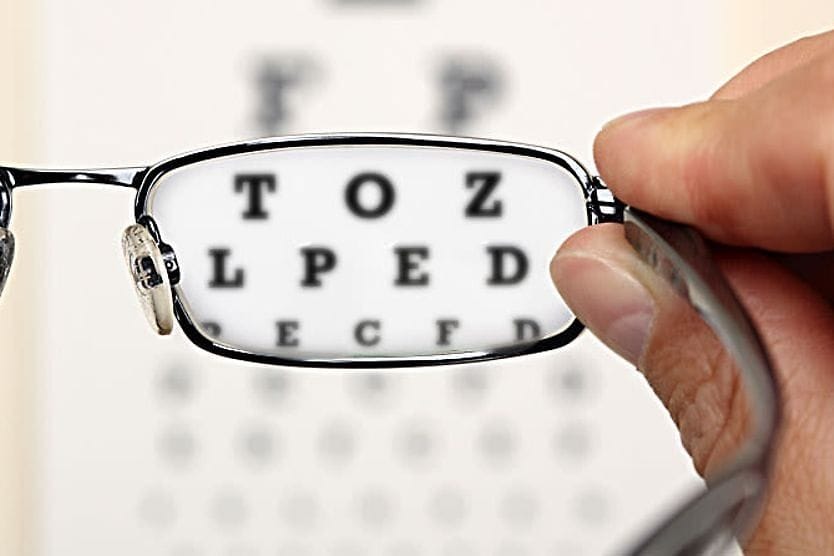
Readers are generally used to help magnify nearby objects, labels, fine print and more. But can reading glasses also help you read signs and see other distant things more clearly? It depends:
- Yes, if you get a special prescription for progressive or other multifocal lenses that correct vision at multiple distances. You will likely need to wear these all the time, not just for reading.
- No, if you want to stick with traditional, over-the-counter reading glasses that have a limited range of magnification (+1 to +4 are most commonly available).
You should notice a difference in how well you see up close when you put on a pair of reading glasses. If not, you may need a stronger prescription than what is available to you over the counter.
If you struggle to see things both far away and up close, you may need to talk to your eye doctor about getting custom lenses that will help address both impairments.
A comprehensive eye exam is a helpful way to determine what vision prescription you may need for your glasses. After testing your vision, your eye doctor will be able to determine what you need to help correct your eyesight.
You may need single-vision lenses, which can help correct individual vision problems at a single distance, including:
- Near vision: About 12 to 16 inches away from your eyes
- Intermediate vision: About an arm’s length away
- Distance vision: Further than an arm’s length away
If you need a vision prescription that covers more than one distance, you will likely be prescribed progressive lenses or another type of multifocal lenses, such as bifocals or trifocals:
- Progressives provide clear vision at many distances without any “image jumps” or visible lines in your lenses.
- Bifocals include correction for distance in the top half of the lens and correction for reading in the bottom half. These benefit people who have both presbyopia and myopia (nearsightedness).
- Trifocals include correction for distance, intermediate and near vision, split equally among each lens, but lines are visible.
Talk to your eye doctor if you have questions about your vision or glasses prescription. And don’t forget to schedule an eye exam every year to make sure your eyes are healthy and you’re seeing as clearly and comfortably as possible.