What to do when a contact lens is stuck in your eye


What does it mean when a contact lens is stuck in your eye?
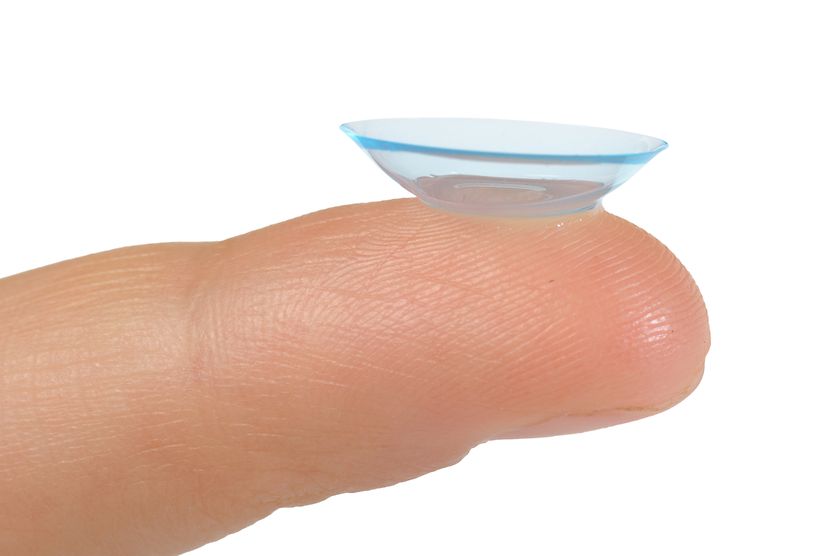
It’s not uncommon for a contact to get “stuck” in your eye or eyelid at some point if you’re a contact lens wearer. This can happen with both soft and hard (gas permeable) contacts. When this occurs, removing the lens safely is important for protecting your vision and eye health.
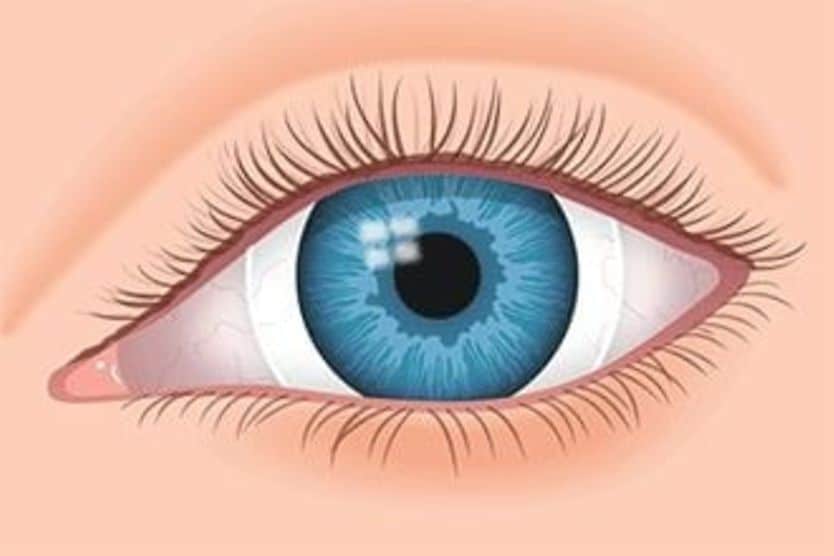
While contacts can temporarily get stuck in your eye, they won't get stuck there forever or disappear. Contrary to popular belief, a contact lens cannot get lost behind your eye. The conjunctiva (the clear tissue covering the white of the eye and inner eyelids) forms a barrier, making it physically impossible for a contact lens to go behind the eye.
When people say they have a contact lens stuck in their eye, it typically means one of three things. The lens may be:
- Displaced and no longer in the proper position, centered over the cornea (the transparent, dome-shaped tissue at the front of the eye).
- Trapped beneath the lower or upper eyelid.
- Temporarily sticking to the front surface of the eye, often due to eye or lens dryness or from wearing contacts for an extended time.
What to do first
When a contact becomes trapped or "lost" in your eye, it can be uncomfortable and unsettling. However, you can often remove the lens safely when you approach it with care. A few general tips to know upfront are to:
- Remain calm and avoid rubbing your eye. A displaced contact lens is somewhat common and can often be retrieved through gentle techniques performed at home.
- Wash your hands thoroughly with soap and water before touching your eyes or contacts. This is essential to reduce the risk of transferring dirt, bacteria or other debris to your eyes.
- Rinse your eye with contact lens rewetting drops or sterile saline solution. This can help flush the contact from beneath your eyelid for easier removal.
- Contact your eye doctor if you have trouble removing the lens. You should also consult your doctor if your eye remains red or painful once the lens is removed.
What not to do
When you attempt to remove the lens, there are also a few things you should not do, as they could be harmful to your eyes:
- Do NOT use your fingernails to remove the lens. Use the pads of your fingers instead.
- Do NOT use tweezers or tools not designed for contacts.
- Do NOT use tap water or saliva to rinse your eye or lens. This increases the risk of eye infections caused by harmful microorganisms, such as Acanthamoeba keratitis.
- Do NOT massage your eyelid if you’re wearing gas permeable (rigid) contacts. This increases the risk of severe corneal abrasion (a scratched cornea).
- Do NOT continue attempting removal if your eye becomes red or painful. Stop and seek professional help from your eye doctor immediately.
- Do NOT insert another contact lens while trying to find the lost lens. This potentially increases the risk of eye injury and further discomfort.
You should also avoid going to sleep with a contact lens stuck in your eye. It can irritate your eye even more and raise the risk of an eye scratch or infection.
When to get help from an eye doctor
In many cases, removing a stuck contact lens from your eye can be done at home. But certain situations require prompt medical care to prevent eye damage or other problems.
Go to the emergency room if:
- You experience severe eye pain or vision loss.
They will likely refer you back to your optometrist or ophthalmologist for follow up appointments after being seen in the emergency room.
A contact may stay stuck in your eye for a long time if it isn't removed. See your eye doctor the same day if:
- The lens remains stuck after two to three hours of attempted removal.
- You have broken pieces of a gas permeable lens in your eye.
You should see your eye doctor as soon as possible if you have signs or symptoms of an eye infection, such as eye redness, discharge or light sensitivity.
Finding a lost contact in your eye
If your lens is not in the correct position, but you can’t seem to find it in your eye, it may have simply shifted out of view. A lens can fold into itself, bunch up or slide beneath your upper or lower eyelid, but it cannot move behind your eye. In some cases, the lens may have already fallen out without you noticing.
Start by sitting or standing in front of a mirror. After washing your hands, look in the corners of your eye and beneath the lids to see if you can find the lens. Try blinking several times. This spreads your natural layer of tears (tear film), which may help recenter the lens or bring it back into view.
If you’re still unable to find the lens, gently pull your upper eyelid away from your eye to look beneath the upper lid. Then pull your lower eyelid away from your eye to check under your lower lid. You can also try moving your eyes in a circular direction to see if the lens comes into view.
How to remove a stuck soft contact lens
Once you’ve located the lens, the next step is to remove it. Soft contact lenses are flexible and conform to the shape of your eye. But they could potentially tear, so it’s important to handle them carefully.
Keep in mind that the steps below are specifically for removing a stuck soft contact lens. Using these steps on hard (gas permeable) contacts can injure your eye. It’s best to follow the steps for removing a stuck gas permeable contact lens if you wear those types of lenses.
Here's how to get a stuck contact out of your eye, depending on the situation:
When the contact is stuck on the center of your eye
A soft contact lens that feels stuck on your eye but is properly centered on your cornea has most likely become dry and is temporarily adhering to the eye. This can happen if you fall asleep while wearing your contact lenses or if you have dry eyes.
Follow the steps below if this occurs:
- Before attempting to remove the lens, rinse the stuck contact and your eye for a few seconds with sterile saline or contact lens rewetting drops.
- If the lens remains stuck, repeat the rinsing step several times, blinking frequently after each rinse to help dislodge the lens. It may take several rinses for the lens to become rehydrated and movable.
- Once it has loosened, use the pad of your finger to gently slide it onto the white of your eye. You can then gently pinch the lens with your index finger and thumb to lift it away from your eye.
When the contact is stuck under your eyelid
If the contact is stuck beneath your eyelid or has folded or rolled into itself:
- Move your eye in the opposite direction of where you think the lens may be. For example, if you think the lens is stuck under your upper eyelid, look down.
- Close your eye and gently massage your eyelid until you feel the lens move.
- Blink a few times to help center the lens on your eye so you can remove it.
- If necessary, rinse your eye with sterile saline or rewetting drops to loosen the lens.
- Once you can see the lens, use the pad of your finger to slide it to the white of your eye and gently pinch the lens with your index finger and thumb to remove it.
When a piece of a contact gets stuck
Sometimes a contact lens may tear or break, causing a piece of it to become stuck in your eye. While torn or broken soft contacts are not usually an emergency, it is important to remove the fragment as soon as possible.
Broken gas permeable lenses require professional removal. Visit your eye doctor or seek emergency care right away if your hard contact lens breaks while in your eye.
To remove a piece of a soft contact lens:
- Flush your eye with sterile saline eye wash or contact lens rewetting drops to help float the pieces out of your eye.
- Blink several times to help dislodge the fragment.
- If the piece is large enough, carefully use the pad of your finger to slide it to the white of your eye, and then use your index finger and thumb to pinch it and remove it from your eye.
- Avoid poking or digging at the lens fragment, as this can lead to injury or worsen the situation.
- Do not discard any pieces of the lens you’re able to retrieve. You can use them to help determine if you’ve removed all portions of it from your eye.
If the piece(s) cannot be found and removed safely, a same-day visit to your eye doctor or emergency room is required.
How to remove a stuck gas permeable contact lens
Removing a hard gas permeable contact lens that’s stuck in the eye requires a different technique than soft contacts.
If the lens is stuck on the white of your eye:
- Begin by lubricating your eye with sterile saline solution or rewetting drops.
- Move your eye in the opposite direction to help direct it back to the center of your eye.
- Do not massage your eyelid, as this can cause the hard edges of the lens to scratch your eye.
- If the lens becomes visible, you can use a small “suction cup” device designed for hard contacts to remove it. Dampen the concave (curving inward) end of this device, and gently press it onto the center of the lens (taking care not to place it on your eye), and it will adhere to the lens. Then, gently pull the lens off the surface of your eye.
If the lens is beneath your eyelid:
- While looking straight ahead, pull the skin on the outer corner of your eye and blink several times forcefully. This method can help the lens pop out of the eye.
- Have a clean towel in front of you to catch the lens.
What to do after the stuck lens is removed
Once you’ve removed the lens from your eye, be sure to inspect it carefully for damage. Discard the lens if it’s torn or broken. Lubricate your eye with sterile saline or artificial tears if your eye feels dry or irritated after removing the contact lens. Clean the contact lens properly, but do not reinsert it until your eye feels normal again.
If you’re unable to remove the lens or your eye remains irritated, painful or your vision appears blurry, see your eye doctor immediately. This may be a sign that you have a corneal abrasion or another issue that may need prompt medical attention.