How to make and use warm compresses for eye health


Understanding warm compresses for eye health
Warm compresses are a common home treatment used to support eyelid and tear film health. They may help loosen oils in the eyelid glands and relieve symptoms, such as dryness, irritation and discomfort.
A warm compress works by applying gentle heat to the eyelids. This heat can soften oils inside the meibomian glands, which are the oil-producing glands located in the upper and lower eyelids. These glands release an oily substance called meibum that becomes part of the tear film and helps protect the surface of the eye. When these glands become blocked or do not function properly, dry eye symptoms and eyelid irritation can develop.
Research suggests that warm compresses may help improve meibomian gland function and support healthier tear stability. They may often be recommended as part of treatment for meibomian gland dysfunction (MGD), blepharitis, eye infections and some forms of dry eye disease.
While there are heated eye masks available on the market, you can also make your own warm compress at home.
Benefits of using warm compresses
Eye care providers may recommend warm compresses for conditions, such as:
- Dry eye disease (DED)
- Bacterial pink eye (conjunctivitis) only
- Blepharitis
- A chalazion
- A stye
Use of a warm compress may also be recommended before eye surgery.
If warm compresses at home are not enough to relieve symptoms, an eye doctor may recommend in-office treatments that use controlled heat to target the meibomian glands more directly. Some specialized devices use controlled heat and gentle pressure to support healthier gland function and tear stability.
How warm compresses help with dry eyes
Warm compresses and heated eye masks may help relieve dry eye symptoms by supporting healthier tear function.
One common cause of evaporative dry eye is MGD. Without enough oil in the tear film, tears can evaporate more quickly, leading to dry eye symptoms. Warm compresses may help soften thickened oils so they flow more freely into the tear film. A healthier oil layer can slow tear evaporation, which potentially reduces dryness, grittiness and irritation caused by dry eye.
Warm compresses for styes and blepharitis
Warm compresses may help relieve symptoms of several eyelid and eye conditions by loosening debris and supporting natural drainage from the eyelids. They are commonly recommended as part of at-home eyelid care for conditions, such as:
- Styes – Red bumps that may cause pain and develop near the edge of the eyelid when an oil gland becomes blocked or infected.
- Blepharitis – Inflammation of the eyelids that can cause redness, crusting around the lashes, burning and irritated eyes.
- Chalazions – Firm eyelid lumps caused by blocked oil glands. Unlike styes, chalazions are usually not caused by an infection.
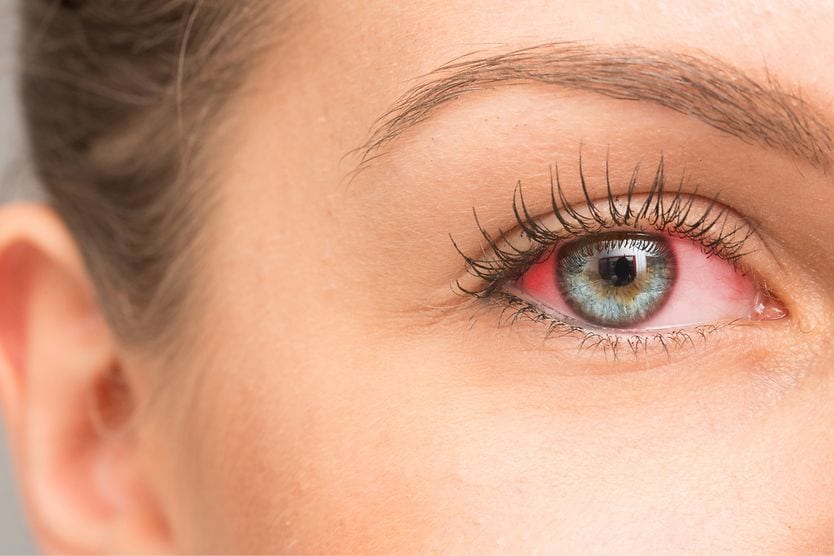
- Bacterial pink eye – Also called bacterial conjunctivitis, it is both an infection and inflammation of the thin membrane that covers the white part of the eye (the sclera) and inner eyelid. It can cause redness, irritation, discharge and swelling.
If your condition does not improve with at-home remedies, it is recommended to schedule an appointment with your eye doctor for further treatment. In bacterial cases, antibiotics may be needed to completely clear up the infection.
Warm compresses before eye surgery
Research suggests that warm compresses can be helpful before certain eye surgeries. In studies, patients used a warm compress for five to 15 minutes before surgery. Researchers found that the treatment improved the condition of the ocular surface and helped provide clearer visibility during the procedure.
It was also noted that warming the eyelids before surgery may help support tear film stability. This may be especially helpful because dryness and tear film problems can affect surgical visibility.
Note: For the heat to soften the oils effectively, the compress should feel comfortably warm — not hot — and stay warm for the full session.
How to make a warm compress at home
A warm compress can be made using simple household items, such as a clean washcloth and warm water. Some people also use a microwave to help keep the compress warm for longer periods of time. The key is to use warmth that feels comfortable on the skin, not hot enough to burn the delicate skin around the eyes.
Using a washcloth and hot water
A warm washcloth heated with water is one of the most common ways to make a warm compress at home.
Step 1: Use a clean washcloth
Choose a soft, clean washcloth to help reduce the risk of irritation or spreading bacteria.
Step 2: Wet the washcloth with warm water
Run the washcloth under warm water, and wring out the excess water. The cloth should feel warm and damp, not dripping wet.
Step 3: Place the compress over your eyes
Close your eyes and gently place the warm washcloth over the affected eye or eyelids for five to 15 minutes, usually until it is no longer warm.
Step 4: Rewarm as needed
If the washcloth cools down, rewet it with warm water and repeat the process to help maintain warmth.
Microwave method for warm compresses
Some people use a microwave to create a warm compress that stays warm longer than a washcloth alone.
Step 1: Dampen a clean cloth
Wet a clean washcloth or small towel with water, and wring out excess moisture.
Step 2: Place it in a microwave-safe bag or bowl
Put the damp cloth in a microwave-safe plastic bag, container or bowl.
Step 3: Heat in short intervals
Microwave the compress in short bursts, such as 30 to 60 seconds at a time, to avoid overheating.
Step 4: Apply the compress
Place the warm compress over your closed eyes for five to 15 minutes.
Step 5: Reheat if necessary
If the compress cools too quickly, it can be reheated in short microwave intervals as needed.
Safety tips and precautions
Using a warm compress safely can help reduce the risk of burns, irritation and the spread of bacteria. Following a few simple precautions may also help make treatment more comfortable and effective:
- Always check the temperature of the compress before placing it on your eyes.
- If it becomes uncomfortable, remove the compress immediately.
- Apply the warm compress for about five to 15 minutes at a time, or as directed by your eye doctor.
- Warm compress sessions can often be repeated several times a day, depending on your symptoms and treatment plan.
- If you are dealing with a contagious eye infection, such as pink eye, it is recommended to use a new washcloth with each session.
- Stop using the compress and contact an eye doctor if your symptoms worsen or do not improve.
Alternative and complementary remedies
Warm compresses may often work even better when combined with other supportive home remedies and healthy eye care habits.
Some complementary remedies may include:
- Artificial tears – Lubricating eye drops may improve dryness and irritation by keeping the eyes moist.
- Pain relievers – Over-the-counter oral non-steroidal anti-inflammatory drugs (NSAIDs) can help relieve discomfort and swelling.
- Avoid makeup – Skipping makeup and cosmetics on or around your eyes can allow the area to heal more quickly and prevent reinfection.
- Eyelid cleansing – Gently cleaning the eyelids and lash line can remove debris and crusting that may contribute to irritation or blepharitis symptoms.
- Gentle eyelid massage – Lightly massaging the eyelids after a warm compress may encourage better flow from the meibomian glands.
- Cold compresses – While warm compresses are commonly used for styes and dry eye symptoms, cool compresses may also relieve dryness and irritation.
- Good contact lens hygiene – Proper cleaning, storage and replacement of contact lenses may lower the risk of irritation and eye infections.
- Everyday triggers – Long hours on digital screens can reduce how often you blink, especially when wearing contact lenses or in a dry indoor environment. Taking regular screen breaks, following good contact lens habits and using a humidifier can help improve symptoms and possibly decrease signs of inflammation.
Embracing warm compresses for eye comfort
Warm compresses are a straightforward part of your eye hygiene routine that may help soothe irritated eyelids. Some people prefer homemade options, such as a warm washcloth, while others use store-bought heated eye masks for added convenience. In some cases, an eye doctor may recommend more advanced in-office treatments that use controlled heat to help manage ongoing eyelid and tear film problems.
If symptoms continue or worsen, it is recommended to schedule a comprehensive eye exam to determine whether additional treatment is needed.