How you can improve your kid’s vision

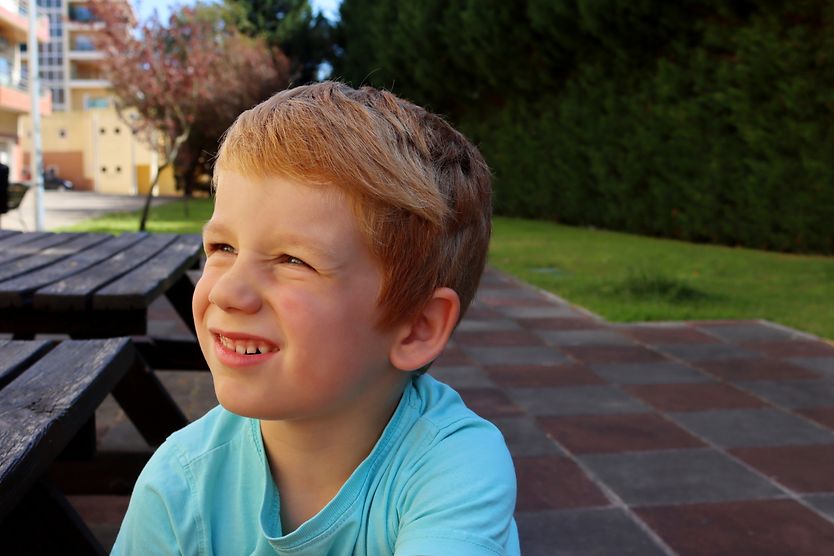
If your child is struggling to read, inching ever closer to the TV or complaining of headaches, they may be having vision issues.
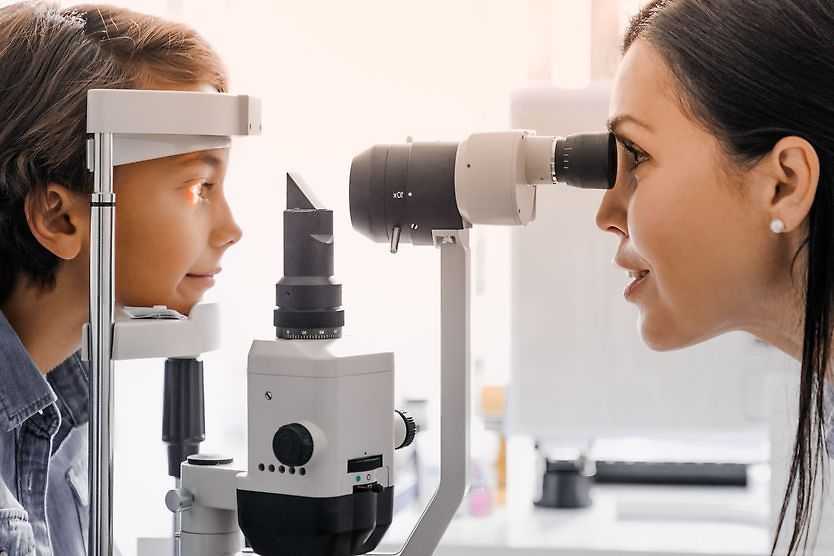
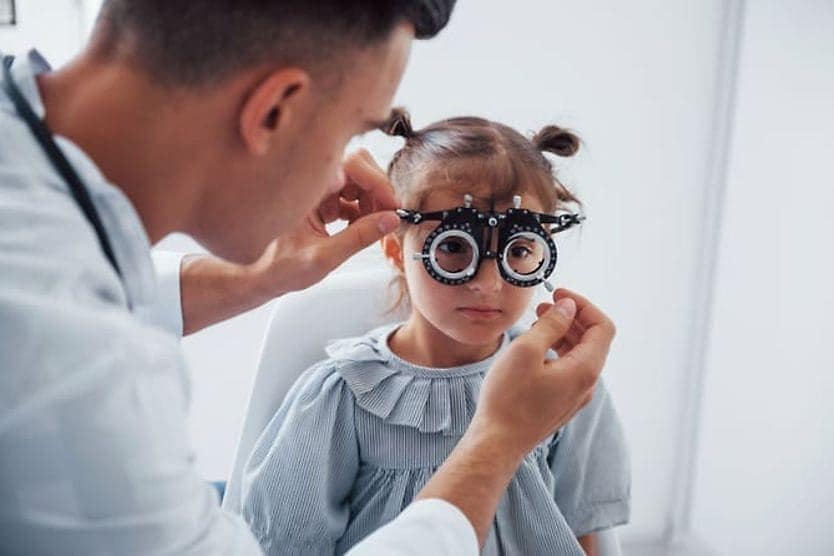
Your first step should be to schedule an eye exam for your child to find out what's causing the vision issue and how to treat it.
But is there anything you can do to improve your child's vision or to keep your child seeing clearly from the toddler to college years?
6 ways to improve your child's vision
1. Avoid eye injuries
Eye injuries are common among children, but you may be able to prevent many of them.
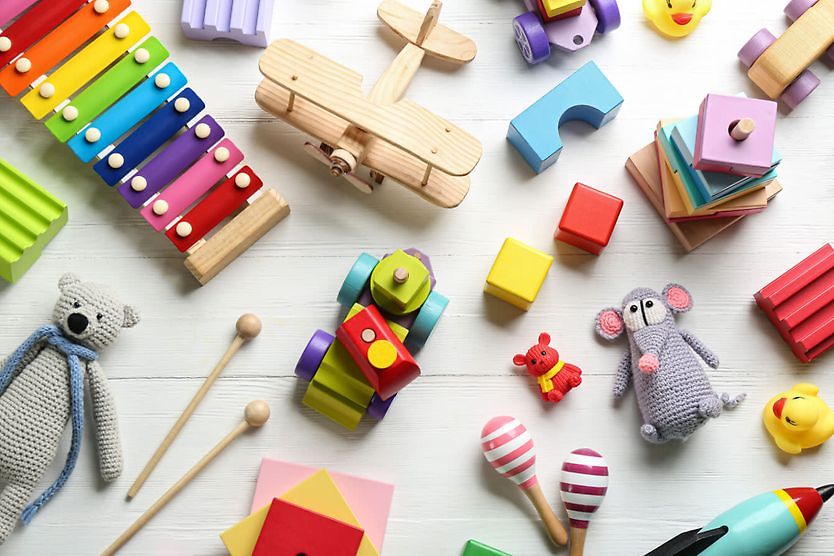
Don't let your youngster play with dangerous toys, and keep cabinets locked to help prevent your little one from getting cleansers, pesticides or other chemicals in their eyes or mouths.
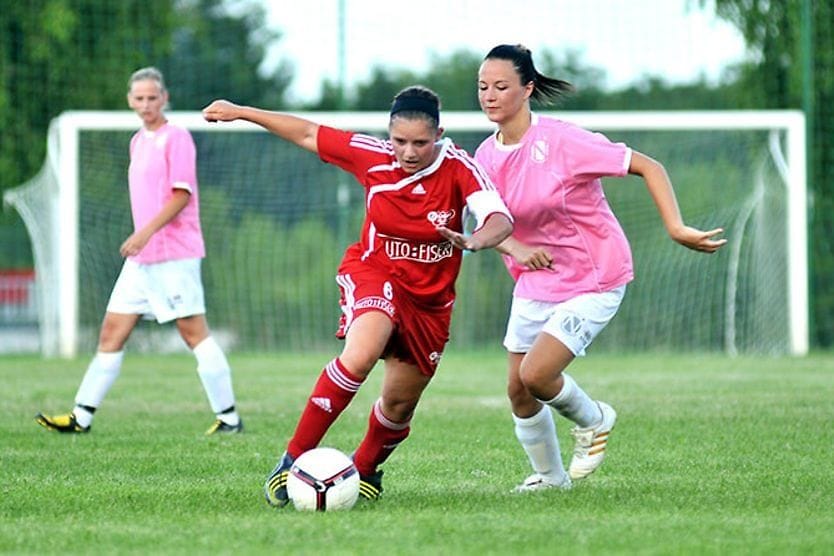
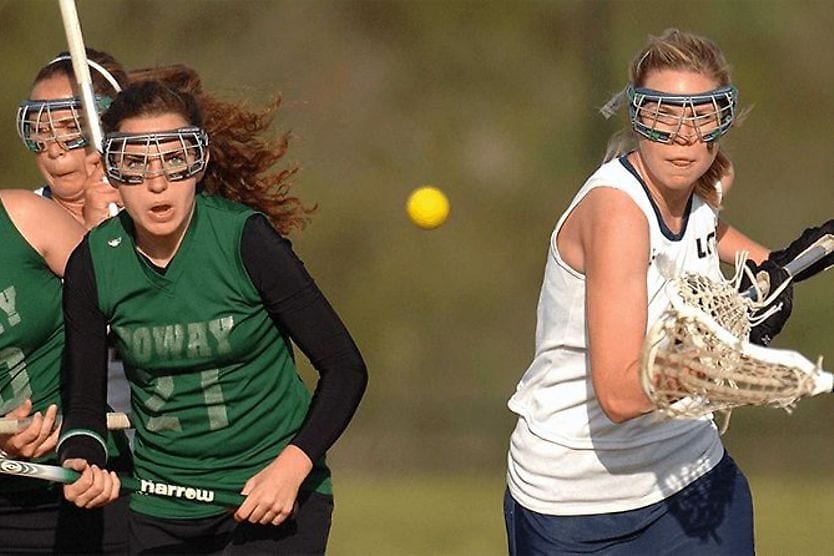
If your child plays contact sports such as basketball, soccer and football, wearing protective eyewear is very important. If your child is on the swim or lacrosse teams, goggles and face masks can help safeguard their eyes.
When your child heads out for fun in the sun, make sure they are wearing sunglasses that provide 100% UVA-UVB protection. The sun's damaging ultraviolet (UV) rays can have a cumulative effect, so extended exposure to the sun as a child could lead to conditions such as cataracts and macular degeneration in later years.
2. Reduce eye infections
Even the smallest irritations in the eyes can affect vision. Teach your child not to touch their eyes to avoid spreading bacteria from their fingers to their eyes.
When your teen is mowing the lawn, suggest that they wear sunglasses or safety goggles to keep grass and dust from getting in their eyes.
If your child wears contact lenses, remind them to clean or change the contacts exactly as instructed by their eye care professional and to use the appropriate lens cleaning solution. Proper lens care greatly reduces the risk of eye infections.
3. Eat healthy and get exercise
Some foods can improve your child's eye health. Look for fruits, vegetables and fish rich in vitamins A, C and E, omega-3 fatty acids, and zinc. In addition to maintaining a healthy diet, your child should also exercise routinely. Exercise helps keep the blood and oxygen flowing throughout the body, which makes it a crucial factor for good eye health. It is especially important to encourage your child to get some fresh air outdoors. Researchers have found that getting about two hours of sunlight a day can help reduce the progression of nearsightedness in children.
4. Play some games
Your child's eyesight can benefit from all sorts of activities, including hand-and-eye coordination games as an infant and putting a puzzle together with you in your later years.
Vision-related activities may be recommended for different age groups, such as:
- 0-5 months – Peekaboo and patty-cake
- 6-8 months – Reading to your child and playing hide-and-seek with toys
- 9-12 months – Reading to your child and rolling a ball back and forth
- 1 year – Throwing a ball to your child and reading to him or her
- 2 years – Reading to your child, catch and other outdoor play
- 3-6 years – Climbing, running and using playground equipment
- 7 years and older – Cycling and other active sports
5. Limit screen time
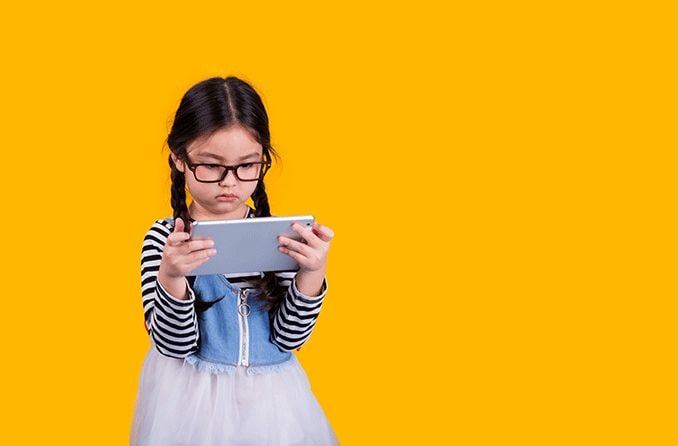
Playing video games, watching videos and constantly texting friends can lead to digital eye strain. Digital eye strain can cause headaches, blurred vision, dry eyes and other discomfort. To help reduce digital eye strain, set a limit on your child’s screen time with computers, tablets and other digital devices. Computer glasses are another option that may help improve your child's visual comfort while viewing screens. These glasses often include lenses that can make it easier to focus on the screen and may also help filter some of the blue light emitted by digital devices.
6. Get routine eye exams
If your child complains of frequent headaches or blurry vision or squints to see objects, they could be experiencing symptoms of some common eye conditions, such as myopia (nearsightedness), hyperopia (farsightedness) and amblyopia (lazy eye).
See your family eye doctor, as these eye conditions are often simple to treat with a pair of prescription glasses or contact lenses.
WHEN WERE YOUR CHILD'S EYES CHECKED LAST? Find an eye doctor near you and schedule a comprehensive eye exam.