Online eye services vs. in-person eye exams: What each one can check


What’s the difference between online services and in-person eye exams?
An “online eye exam” can refer to several different options. It can range from taking a vision test on a phone or computer to using an online service to handle a glasses or contact lens prescription, or meeting remotely with an eye doctor through telehealth.
Eye care doesn’t always fit on a screen
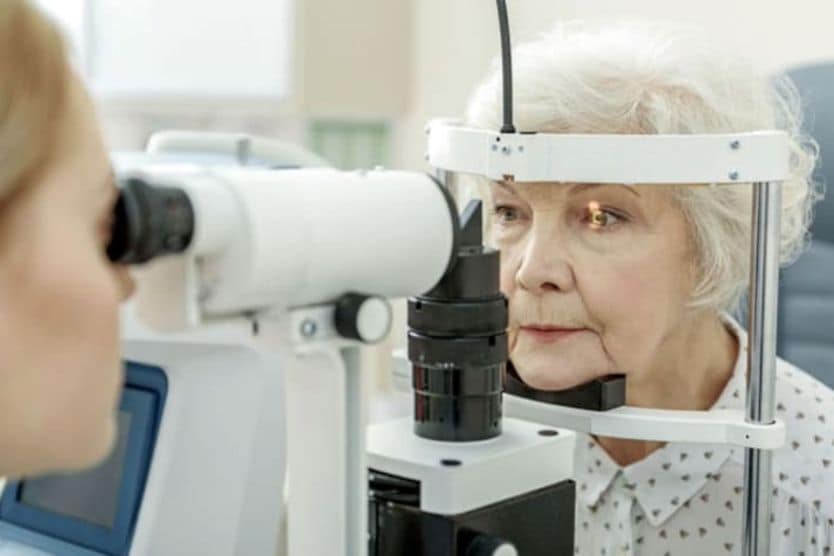
Many aspects of an eye exam are difficult to perform or unavailable online or remotely. A comprehensive eye exam typically includes:
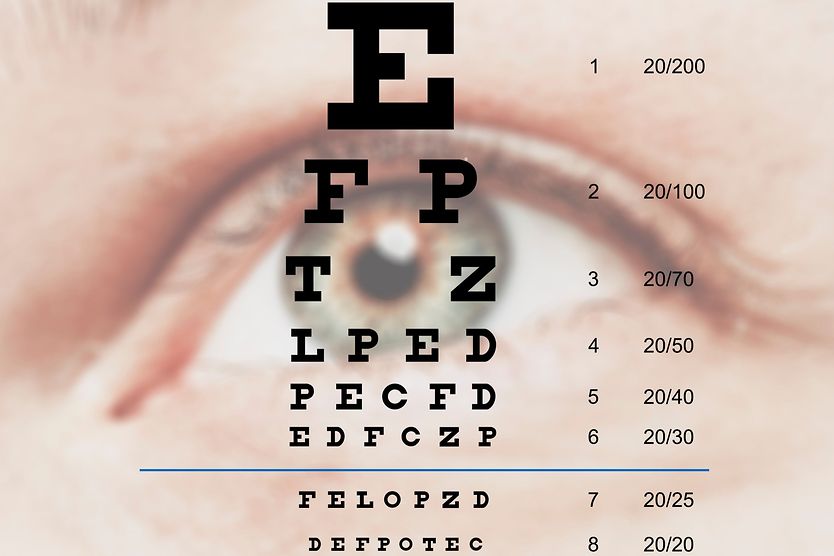
- Checking visual acuity
- Performing a refraction (glasses prescription check)
- Assessing eye pressure
- Evaluating the eye's internal and external health
How much eye care can happen online?
Here’s how a home vision test, prescription service and telehealth visit may compare with an in-person comprehensive eye exam.
At-home vision test | Online prescription service | Telehealth with an eye doctor
| In-person eye exam | |
What is it?
| A self-administered vision test is performed using a printed chart, smartphone app or website. | An online company collects vision measurements and other exam information from a patient to potentially fill a prescription. | An eye doctor conducts the exam remotely. Trained staff collects data and an eye doctor evaluates the results in real time or at a later time. | An eye doctor, along with their trained staff, conducts the eye exam face-to-face in an examination room. |
Does it include a refraction (prescription check)? | No. It only checks visual acuity (how clearly a person sees). | No. It typically compares a current visual acuity test against an existing prescription so a doctor can determine whether that prescription can be renewed. | Yes. When conducted in real time, an eye doctor can perform a refraction and issue a prescription. | Yes. An eye doctor performs a vision assessment and refraction and issues a prescription. |
Does it check eye health? | No. It does not provide an eye health evaluation. | No. It does not provide an eye health evaluation. | Maybe. It can include some eye health testing depending on whether the equipment and trained staff are available. | Yes. An eye doctor examines the internal and external eye health during a comprehensive eye exam.
|
Can I get a contact lens fitting or renewal? | No. It does not include assessing how contact lenses fit on the eyes. | Maybe. It may provide renewal of an existing contact lens prescription without a new fit evaluation when the prescriber determines the prescription doesn't need to change. | Maybe. It can include some aspects of a contact lens evaluation, depending on the telehealth setup. | Yes. It can include a complete contact lens evaluation with follow-up and final prescription. |
Can I get new eye problems checked? | No. It does not provide evaluation of new eye problems. | No. It does not include evaluation of new eye problems.
| Maybe. It can include remote evaluation of some new concerns, although what can be detected varies. | Yes. It can include assessment of new concerns with direct examination. |
Can I get urgent symptoms checked?
| No. It does not provide evaluation of urgent symptoms. | No. It does not include evaluation of urgent symptoms.
| Maybe. It may help assess some urgent concerns, but the eye doctor may recommend an office visit or referral when direct examination is needed. | Yes. It allows direct examination when symptoms need prompt or immediate care. |
What does a contact lens fitting exam include?
A contact lens fitting includes an exam, fitting the lenses on, checking how they sit on the eye, testing vision and a follow-up assessment. Federal law requires a full contact lens fitting when a prescriber decides the contact lens prescription should be changed. Pain, unusual redness, blurred vision or other new symptoms with contact lenses could signal an infection and should always be evaluated by an eye doctor.
Online eye care services
Look closely at what the service actually provides. The American Optometric Association advises consumers using online vision services to find out:
- If the company has FDA clearance and is operating within it
- If a licensed eye doctor is writing the prescription
- Whether you can contact the eye doctor with questions
- What the test really evaluates
- If you are being asked to sign a liability release form if something goes wrong
Remote eye care services
Remote eye care can reach people who have a harder time getting to a doctor in person, including older adults, people with disabilities and people in areas without an eye doctor nearby. Research comparing it with in-person care for safety and results is still limited, so how well it can substitute for an in-person eye exam is still being studied.
When to see an eye doctor
Some symptoms need immediate attention. See your eye doctor right away if you notice:
- Sudden blurry or double vision
- Onset of eye pain
- Persistent eye drainage and redness
- A shower of floaters or a shadow over your vision
- Flashes of light
- Halos around lights