What is a digital eye exam?
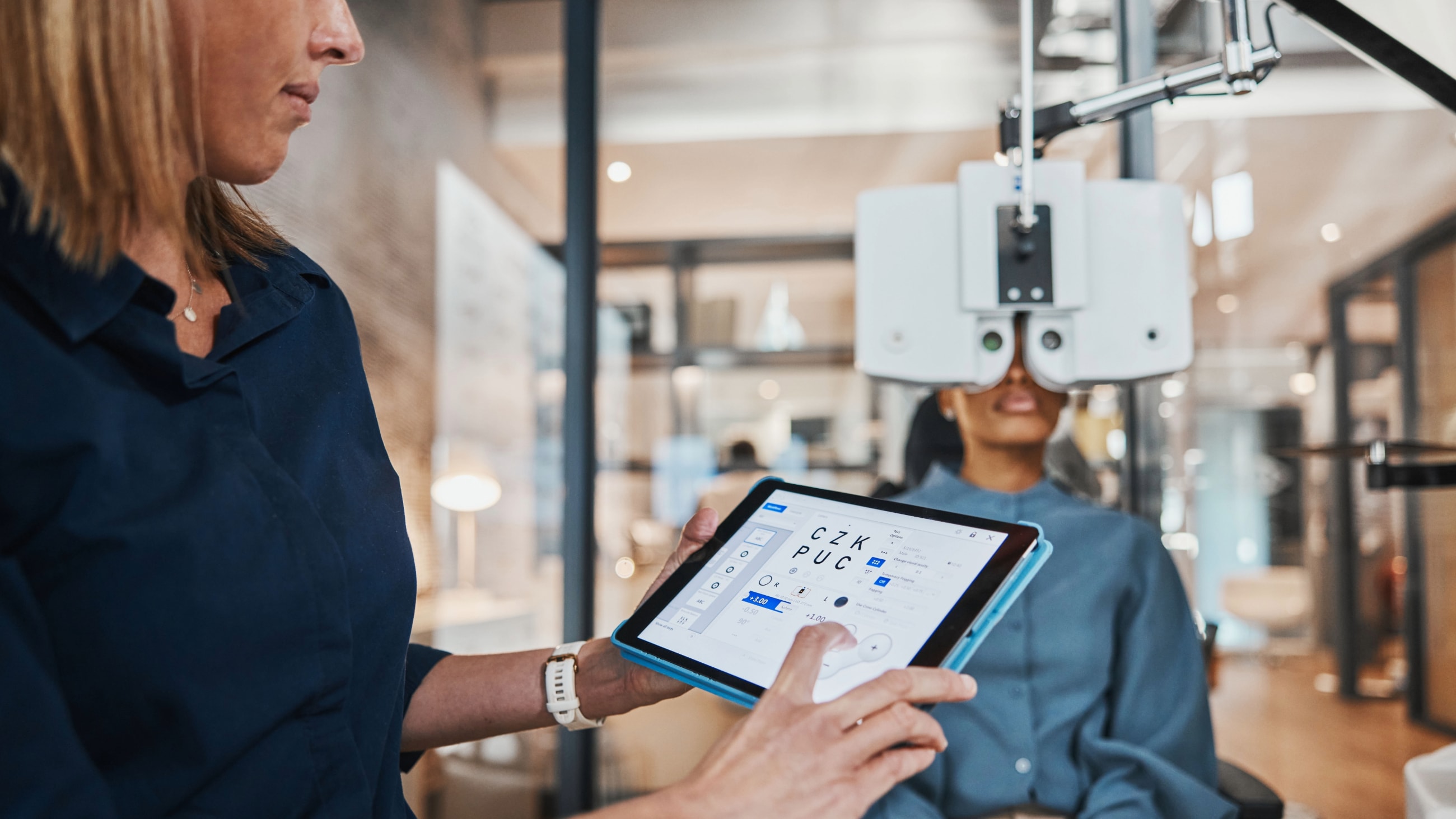

What is a digital eye exam? A digital eye exam is similar to the old exam you’re used to, but many of the manual measurements and adjustments are now computed automatically.
In fact, you may have already had one without knowing it. Digital eye exams are showing up in optical shops and eye doctors’ offices across the United States.
With digital eye exams, the days of lowering the big, manual phoropter “mask” in front of your face are long gone — as are many of the lenses, switches and knobs your doctor had to use. Looking at a board full of letters and being asked “number one or number two?” is a reduced, simpler process when it’s performed digitally.
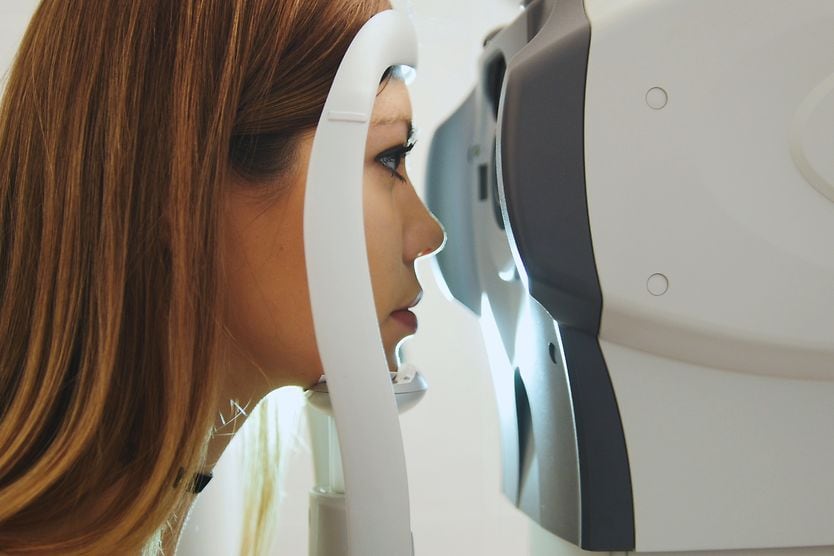
Older machines may have been replaced by similar mask-shaped devices that appear more modern and minimally designed. These devices now do a sizeable portion of the measuring work internally.
Digital eye exams vs. traditional eye exams
The process of getting a digital eye exam is similar to that of a more traditional exam, particularly the refraction portion. The refraction test is what allows an eye doctor to find your optical prescription.
When a digital phoropter is lowered in front of you, it uses software to automatically produce an initial prescription. The eye doctor will still tweak that result, but the starting line has moved forward — meaning a shorter refraction test.
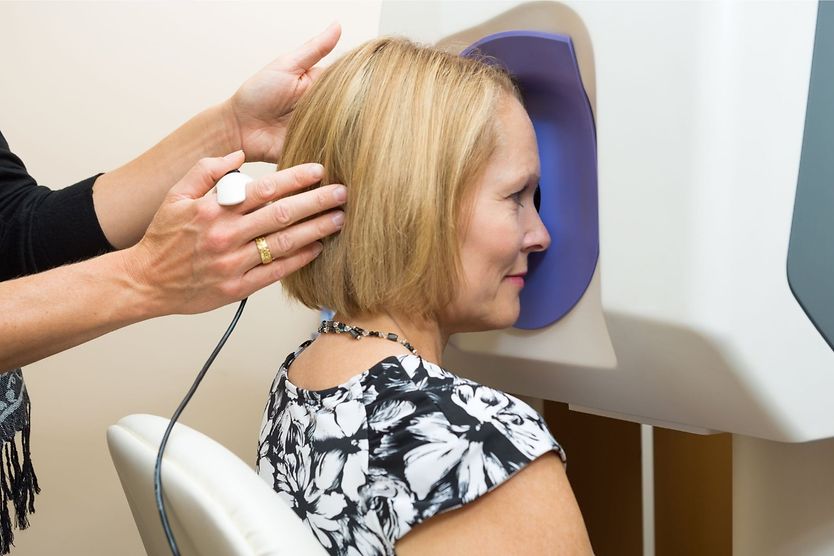
Other digital devices ditch the mask-like device and instead have you rest your chin in front of a funnel-shaped machine with a lens in the middle. This also uses digital software to produce an accurate prescription, including the curvature of your cornea — useful for contact lens prescriptions.
SEE RELATED: What an eye doctor will ask during an eye exam
How much does a digital eye exam cost?
Since a digital eye exam usually takes the place of older equipment, there shouldn’t be any additional cost. Many vision insurance plans cover this type of test as they would any other eye exam.
Are digital eye exams accurate?
Manufacturers often claim their digital devices provide an accurate optical measurement. And this technology will only continue to advance over time.
For the time being, a thoroughly performed “manual” exam still has the potential to be just as accurate in the hands of an eye doctor.
Where can I get a digital eye exam?
Doctors’ offices, retail settings and vision centers now offer digital eye exams, but many still use traditional equipment as well. If you’re curious whether a specific practice uses this technology, just call ahead to find out.
What else has gone digital in an eye exam?
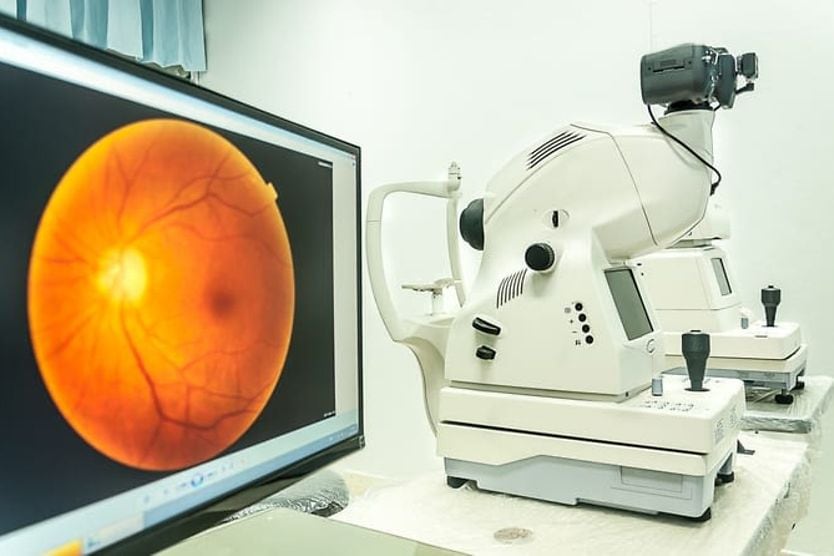
Digital retinal imaging has made its presence known in a big way. These machines are now relatively popular with American eye doctors.
Retinal imaging devices provide a wide-angle view of the inside of your eye. This kind of insight can help eye doctors spot for example something unusual with your eyes’ internal blood vessels. It can lead to the early diagnosis of diseases like stroke, diabetes and even certain cancers.
For patients, one of the practical benefits of retinal imaging is that it may reduce the need for eye dilation during some routine visits. Dilation typically requires 30 to 45 minutes for the pupils to fully open and can cause blurry vision and light sensitivity that may last several hours afterward. When retinal imaging provides your eye doctor with a sufficiently detailed view of the back of the eye, it can make for a shorter, more comfortable visit.
However, a dilated exam remains the standard of care for a comprehensive retinal evaluation, and your eye doctor will determine when dilation is still necessary.
READY FOR A DIGITAL EYE EXAM? Find an eye doctor near you and ask if they offer digital eye exams. Then schedule an appointment.