How to use eye drops properly

How to put in eye drops
Eye drops are used to treat a wide variety of conditions — from glaucoma and eye infections to eye allergies and dry eyes. In many cases, they’re essential for preserving your vision and maintaining your eye health. Using eye drops properly helps ensure you get maximum benefit from each dose.
Your eye care professional or pharmacist may provide instructions specific to the eye drops you need — and it’s important to use them exactly as prescribed. However, the proper technique for applying eye drops is often the same, whether you’re using prescription or over-the-counter formulas.
Learning how to use eye drops correctly helps ensure they treat the condition for which they’re intended. It also reduces the risk of wasting drops or using more than necessary.
Preparing to apply eye drops
Before putting in your eye drops, carefully review the directions, including how and when to use them and the recommended dosage (for example, one or two drops per eye). Gel or thicker drops can blur your vision temporarily, so it’s usually best to use them before bedtime or when resting, while liquid drops may be better for daytime activities. These directions may be printed on the bottle or its packaging, or provided as separate written instructions by your doctor or pharmacist.
Once you’re familiar with how to use your eye drops, follow these steps to prepare to put them in:
- Wash your hands thoroughly with soap and water, and then dry them with a clean towel.
- Remove your eyeglasses or contact lenses, if you wear them. Only leave your contacts in if the eye drops are specifically formulated for contact lenses or your doctor has advised you to do so.
- Shake the bottle well unless the directions state otherwise.
- Remove the dropper cap and set it aside on a clean paper towel or tissue. Do not touch the bottle’s tip or the inside of the cap with your fingers or any surface. Look closely at the bottle’s tip to make sure it’s not cracked or damaged.
- Check the expiration date printed on the bottle. If the eye drops have expired, do not use them. It’s best to discard any expired product.
Step-by-step guide to applying eye drops
There are different ways to put in eye drops, but the following is the most common method:
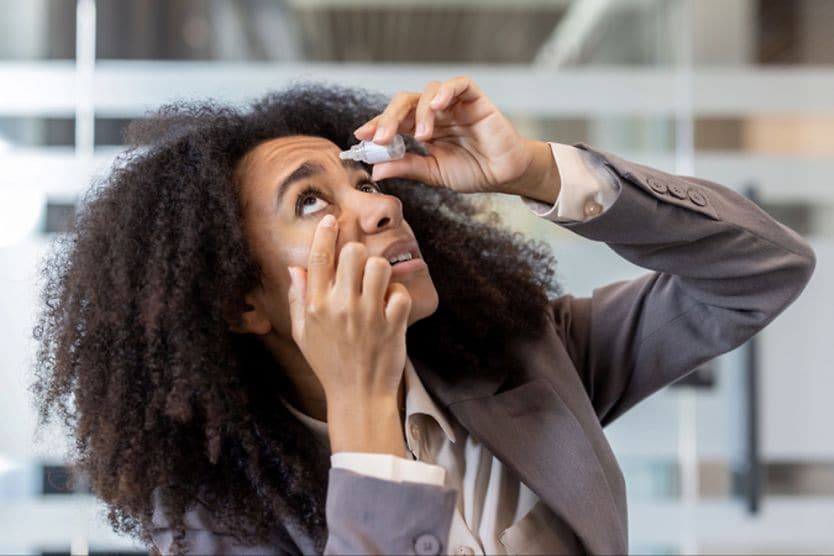
- Tilt your head back or lie flat while looking at a light or another spot on the ceiling so that you can see the drop fall into your eye. Keep both eyes wide open.
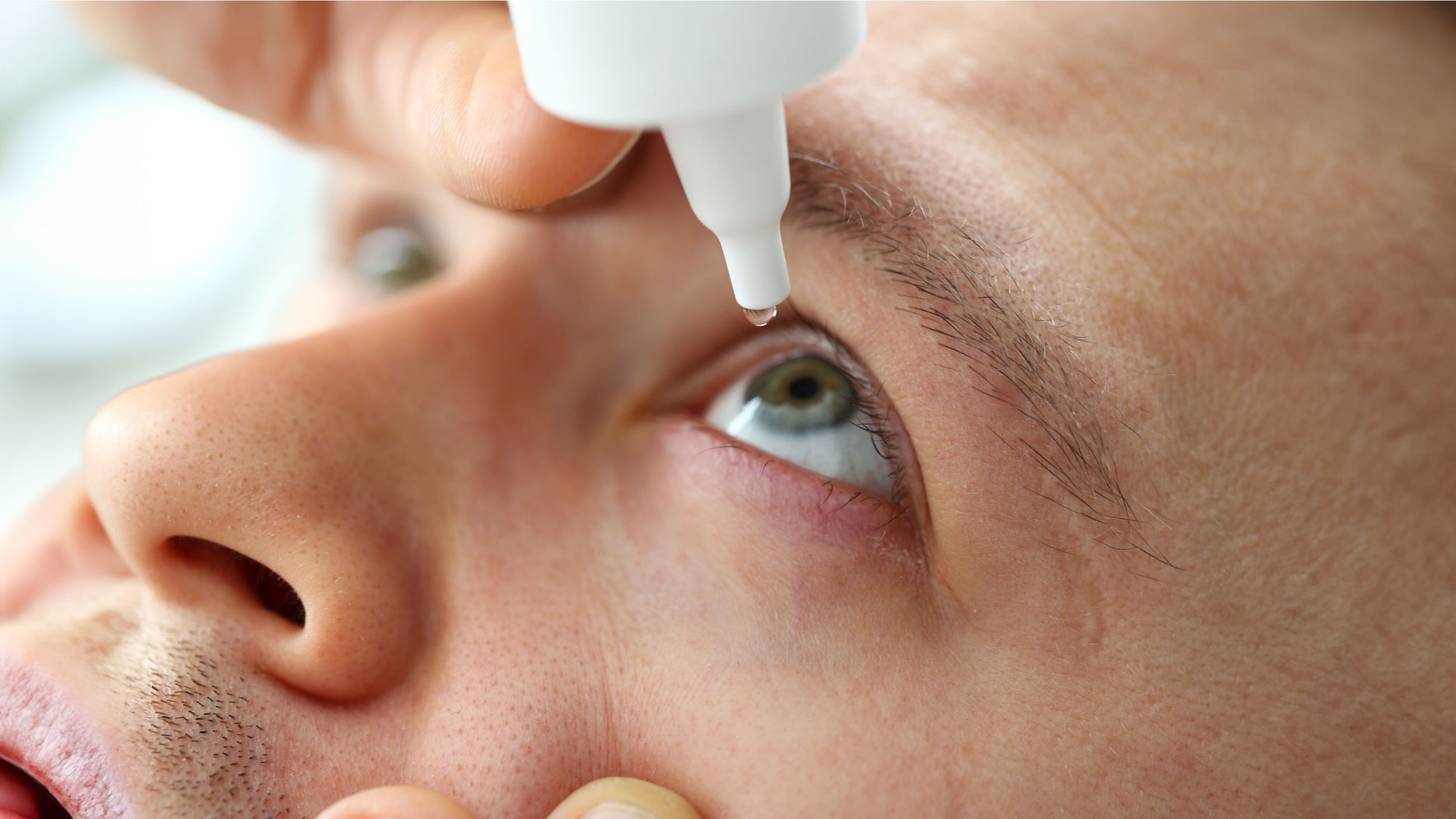
- Using one or two fingers, gently pull the skin below your eye downward to create a space or “pocket” between your lower eyelid and the front surface of your eye.
- With your other hand, hold the eye drop bottle about an inch over the pocket, pointing the tip downward. Do not let the dropper touch your eye, eyelid or eyelashes. This could harm your eye or introduce bacteria and other organisms into the bottle.
- Squeeze the bottle lightly to release one drop inside your lower eyelid.
- Close your eyes, and gently press on the inner corner of your eyelid (on the tear duct) for two minutes. Try not to blink, as this can push some of the drops out of your eye before they take effect.
- Using a clean tissue or towel, wipe away any excess drops from the skin around your eyes.
- If prescribed, repeat this process for your other eye.
- Screw the dropper cap back onto the bottle, making sure it’s secure.
- Wash your hands to rinse away any stray eye drop solution.
Note: Some medications require special application methods. Always follow your doctor’s or the manufacturer’s directions when using eye drops.
What to do if you need to use more than one eye drop
Sometimes, you may be prescribed more than one type of medicated eye drop. The challenge is that if you use the drops too quickly in succession, they may drip out of your eye and not be absorbed properly, reducing their therapeutic effect.
When using multiple drops, consider the following tips:
- If you need to use a second eye drop in the same eye, wait about five minutes before applying it — unless your doctor advises otherwise. This gives your eye a chance to absorb the first drop, preventing it from being washed out by the second drop.
- When using both a medicated eye drop and a lubricating eye drop (such as artificial tears), apply the medicated drop first.
- If using both a gel or thicker medication (such as an ointment) and a liquid drop, apply the liquid drop first, wait a few minutes, and then apply the gel or ointment last.
Always check with your eye care professional or pharmacist if you have questions about the order or timing of your eye drop usage.
Tips for effective application
Following a few additional tips can help ensure you use your eye drops correctly and get the full benefit from the medication:
Press on the tear duct
After applying the eye drop, gently press on the inner corner of your eyelid near your nose with one of your fingers. This blocks the opening to your tear drainage duct, preventing the medication from flowing into your nose. It also helps the drop remain in your eye long enough to be absorbed.
Ask for assistance
It’s not uncommon to have some difficulty placing eye drops, especially at first. Don’t hesitate to ask for assistance if you need it.
A friend or family member can coach you while you put the drops in your eyes or even help insert them. They can position the applicator at the proper distance and location above your eye so the drops fall directly into the pocket formed by your pulled-down lower lid.
You could also have someone hold a mirror for you, or stand in front of a mirror when applying the drops yourself.
Another option is to use an assistive device designed for eye drop placement. This may be helpful if you have trouble squeezing the eye drop bottle or holding it still long enough to release the drop into your eye. There are several types of devices available. Ask your eye care professional which design is best for your specific eye drops.
Practice with artificial tears
If you aren’t quite comfortable putting drops in your eyes, a little practice can help you master the technique.
Pick up a package of preservative-free artificial tears to use for practice. (Do not practice with prescription eye drops, as this could lead to wasting your medication or over-medicating.) Using a preservative-free formula reduces the risk of experiencing eye irritation, an allergic reaction to the preservatives or other side effects that can occur with products containing these ingredients.
Common mistakes to avoid
While placing drops in your eyes can be relatively easy to master, there are a few common mistakes to avoid, including:
- Touching the bottle tip – Take special care to avoid contact between the dropper and your fingers, eye, eyelids, eyelashes or any other surface. This can contaminate the eye drops, increasing your risk of an eye infection.
- Blinking or squeezing your eyes shut after placing a drop – This can push the drop out of your eye before it’s absorbed, reducing its effectiveness.
- Using expired eye drops – Eye drops often expire about a month after the bottle is opened and may no longer work as intended. Expired drops may not protect against contamination, increasing the risk of eye infections and other problems.
- Using eye drops not prescribed for you – Even if you have the same eye condition as someone else, do not use their eye drops or share your eye drops with others. Eye drops are prescribed for individual needs and conditions, and the instructions may differ from person to person. Sharing them also increases the risk of cross-contamination.
- Applying eye drops while wearing contact lenses – If you wear contacts, you’ll likely need to remove them before using your eye drops unless your eye doctor recommends otherwise. After you put the drops in, wait at least 15 minutes before reinserting your contacts.
Addressing concerns and FAQs
People often have questions when it comes to using eye drops. Some of the most common include:
Can I double up on doses if I skip one?
No, you should not administer two doses of an eye drop at the same time. Instead, if you miss a scheduled dosage, apply it as soon as you realize it was skipped. You should only use the number of drops prescribed by your eye care professional.
What if I miss my eye when placing a drop?
If you accidentally miss your eye when attempting to place an eye drop, simply try again. However, if part of the drop reaches your eye or you don’t feel like you received a full drop, you do not need to add a second one. The application is successful as long as at least some of the medication enters your eye.
Is it normal for eye drops to sting my eyes?
Some drops may cause your eyes to burn or sting for a short time after placement. But if this doesn’t subside or you experience eye redness, irritation or other symptoms, contact your eye care provider right away.
How do I store my eye drops?
Some eye drops can be stored in the refrigerator, while others must be kept at room temperature or in a cool, dark space. Always follow your doctor’s or pharmacist’s guidance for storing eye medication.
Ensuring eye health with proper eye drop use
Eye drops are used to treat a variety of eye conditions and related symptoms and are often an important part of treatment. Using them correctly is necessary to maximize their effectiveness and support your eye health. Your eye care professional or pharmacist can guide you on how and when to use your drops.
If you experience severe eye pain or redness, sudden vision changes or signs of an allergic reaction after applying eye drops, stop using them and seek medical care immediately.
READ NEXT: Which type of eye drop is right for you?