Understanding computer vision syndrome (digital eye strain)


What is computer vision syndrome?
Computer vision syndrome, also known as digital eye strain, refers to a collection of eye-related symptoms potentially linked to extended use of digital devices. This may include time spent on tablets, e-readers and smartphones, not just computer monitors.
Computer eye strain is one specific type of eye strain (asthenopia) that is related to digital screen use. Eye strain itself is a broader issue and is not limited to screens alone. It can also occur during activities like reading, driving or other close-up tasks.
Though it may not be considered a serious eye condition, the symptoms of computer vision syndrome can be disruptive. Discomfort related to frequent or prolonged screen use may interfere with work, school or daily life.
What causes computer vision syndrome?
Computer vision syndrome can happen when your eyes work too hard while using digital screens for long periods of time. This can occur with any type of screen. Causes may include:
- Extended screen time – Spending long stretches on digital devices without breaks can strain your eyes.
- Less frequent blinking – People often blink less when looking at screens, which can cause the eyes to feel dry or irritated.
- Glare and poor screen clarity – Reflections, glare and low contrast on screens can make text harder to see and increase eye stress.
- Uncorrected vision problems – Small vision issues or outdated prescriptions can become more noticeable during screen use.
- Poor ergonomics and posture – Viewing screens at awkward angles or distances can increase visual strain and may also contribute to neck or shoulder discomfort.
- Improper lighting – Lighting that is too bright, too dim or uneven can make screen viewing more difficult.
LEARN MORE: Tired eyes: How to deal with eye fatigue
Who’s at risk for digital eye strain?
Digital eye strain can affect anyone, but certain factors can increase your risk, especially during long periods of screen use.
Some components that can increase your risk include:
- Continuous daily screen time – This could include office workers, students, gamers and others who spend more than two hours at a time on computers, tablets or smartphones.
- Being over 40 years of age – Age-related vision changes, such as presbyopia, can make focusing on screens more difficult.
- Contact lens use – Wearing contact lenses during extended screen use may increase eye discomfort for some people.
- Existing dry eye symptoms – Screen use can make dryness and irritation more noticeable.
Having one or more of these issues does not mean digital eye strain is inevitable, but it can make symptoms more likely during extended screen use.
What are the symptoms of computer vision syndrome?
Computer vision syndrome may cause problems that can affect how clearly and comfortably you see. Common symptoms include:
- Blurred vision – Objects may look less sharp during screen use or when shifting focus between near and far distances.
- Double vision – Some people notice overlapping or shadowed images, especially after extended screen time.
- Headaches – Overuse of the eye muscles from focusing on screens for long periods can trigger headaches.
- Eye dryness – Reduced moisture on the eye surface can lead to ongoing discomfort.
- Light sensitivity – Bright lights or screens may feel uncomfortable or harder to tolerate.
How is computer vision syndrome diagnosed?
Computer vision syndrome is usually identified based on a person’s symptoms rather than a single test. Many people do not need a formal diagnosis, especially if symptoms are mild and improve with rest.
However, a comprehensive eye exam may be done to check for vision issues that can contribute to symptoms, such as uncorrected prescription needs, focusing difficulties, eye coordination problems or signs of dry eye.
When should you see an eye doctor?
An eye exam may be helpful if computer vision syndrome symptoms do not improve on their own or begin to affect daily activities. Consider scheduling an eye exam if symptoms are:
- Frequent or ongoing.
- Getting worse over time.
- Interfering with work, reading or screen tasks.
- Accompanied by new or unusual vision changes.
- Not improving after taking breaks from screens.
How is computer vision syndrome treated?
Computer vision syndrome is usually treated with a few simple changes to daily habits, screen setup and vision care. These steps are meant to help reduce symptoms of eye strain and may make screen time more comfortable:
Follow the 20-20-20 rule
Giving your eyes short breaks can help them relax. Try following the 20-20-20 rule by looking across the room about 20 feet away every 20 minutes for around 20 seconds.
Adjust your device settings
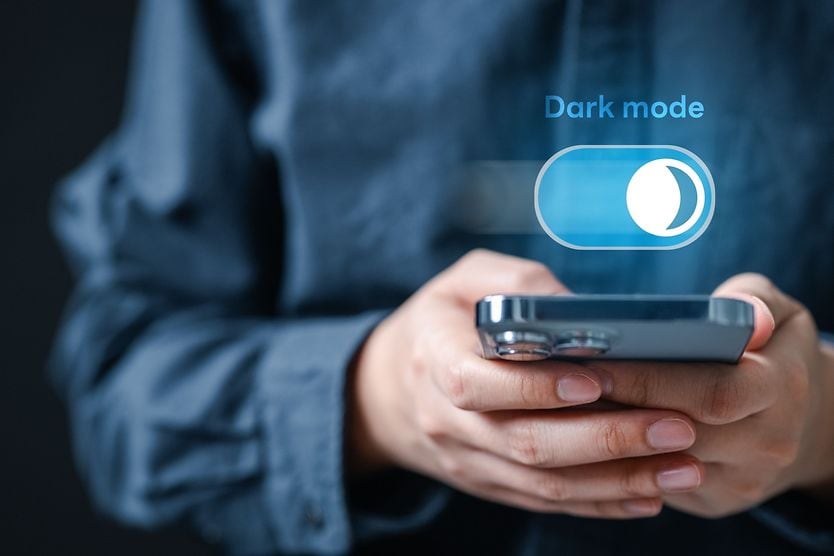
Small screen changes can make a big difference. Increasing text size can make words easier to read. Adjusting brightness and contrast so they match the room lighting may help reduce eye strain.
Adjust your desk or workstation setup
Your screen should be about an arm’s length away and slightly below eye level. Good lighting helps, too. Try to reduce glare from windows or overhead lights, which might make your eyes work harder.
Wear your glasses if you usually wear contacts
Some people feel less eye dryness when they wear glasses instead of contacts during long screen sessions. Glasses with anti-reflective coatings can also help cut down on screen glare.
Reduce eye dryness during screen time
Artificial tears can help relieve dryness that comes with long periods of screen use, especially in dry indoor environments. Using a humidifier near your desk may also help keep your eyes more comfortable by adding moisture to the air.
Make sure your vision prescription is up to date
Wearing the wrong prescription can strain your eyes. Regular eye exams help ensure your vision correction continues to meet your needs, especially if you spend a lot of time on screens.
Managing eye comfort in a digital world
Computer vision syndrome is common in today’s screen-focused world. For many people, symptoms can improve with small changes to their daily routine. Paying attention to discomfort and addressing it early can help make daily screen use more comfortable and sustainable.