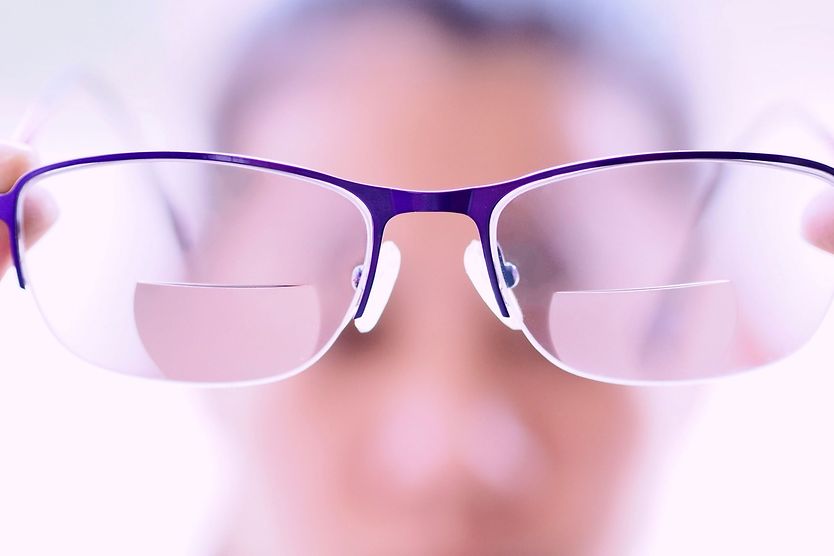
How do you choose the best power for reading glasses?

Even if you've had perfect vision most of your life, there will come a time around age 40 when you will need reading glasses.
As unfortunate as this sounds, it's absolutely normal and happens to all of us. This need for reading glasses is caused by age-related changes in the lens inside the eye, which make it more difficult to focus on small print or close-up objects. The technical term for this change is presbyopia.
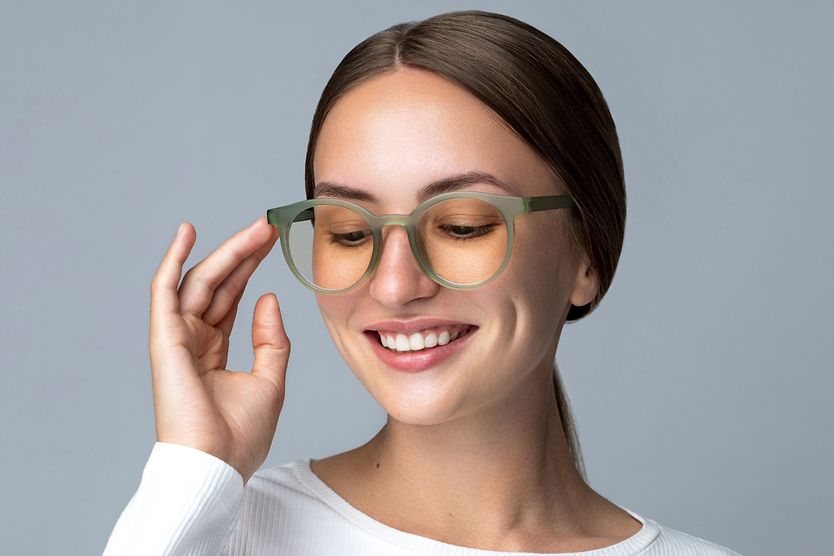
If you've never needed prescription eyeglasses for vision problems like nearsightedness, farsightedness and/or astigmatism, it's likely you will be able to see acceptably well with non-prescription reading glasses. You can purchase these "readers" at many retail stores once you notice symptoms of presbyopia.
Generally speaking, many people begin having problems seeing small print sometime that gradually worsens with age. Also, you may notice your eyes feel tired more quickly when reading. You may even start to get headaches when reading or using a computer extensively.
Due to the progressive nature of presbyopia, people in their 40s tend to do better with low power reading glasses and people in their 60s might function well with high power reading glasses. After age 60, the reading glasses power may remain constant, depending on the type of near vision task.
Non-prescription reading glasses usually range in power from +0.75 diopters to +4.00 diopters (D). Both lenses have the same power, which usually is indicated with a removable sticker on the lenses and/or a permanent marking on the inside of the frame.
Sometimes, a reading glasses power chart by age is displayed with reading glasses to help you choose the reading glasses power that would to suit your needs.
These charts typically assume you will be using the glasses to read normal-size print held at a distance of approximately 14 to 16 inches from your eyes.
Keep in mind, though, that the lens powers on a chart like this are just a starting point. The optimal reading glasses power for your needs depends on more factors than just your age alone.
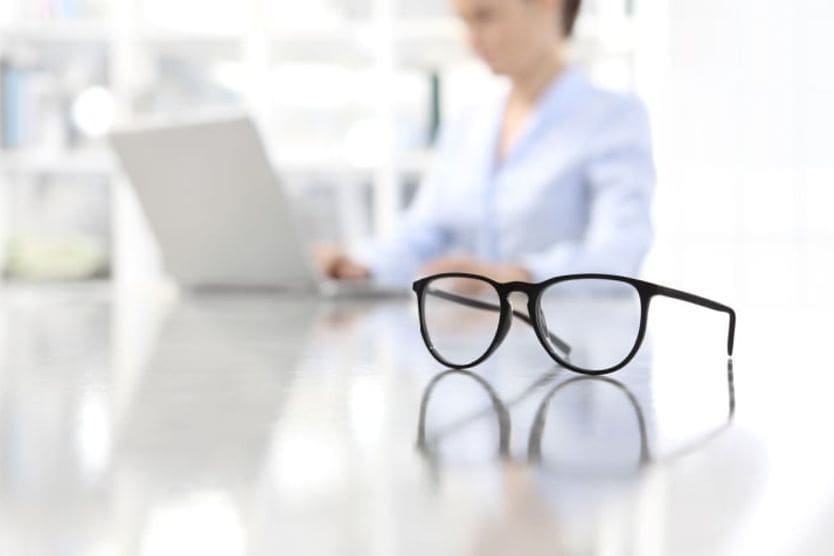
For example, if you will be wearing the reading glasses primarily when using a computer, you may want to choose a lower reading glasses power. This is because most people view their screen from a greater distance from their eyes than when they are reading a book or magazine. The longer the viewing distance, the less reading glasses power is needed for comfortable vision.
On the other hand, if you need reading glasses for looking at something very close or very small (such as trimming your fingernails or removing a sliver from your finger), then you'll want a stronger reading glasses power than what an age-based reading glasses power chart would predict.
Picking reading glasses that are too strong typically will cause more discomfort problems than reading glasses that are a little too weak.
Finally, schedule a comprehensive eye exam to check your eye health and receive an eyeglasses prescription. You can ask your eye doctor for professional advice to match your individual needs.
READ NEXT: Can reading glasses ever help see distance?