Congenital cataracts


What are congenital cataracts?
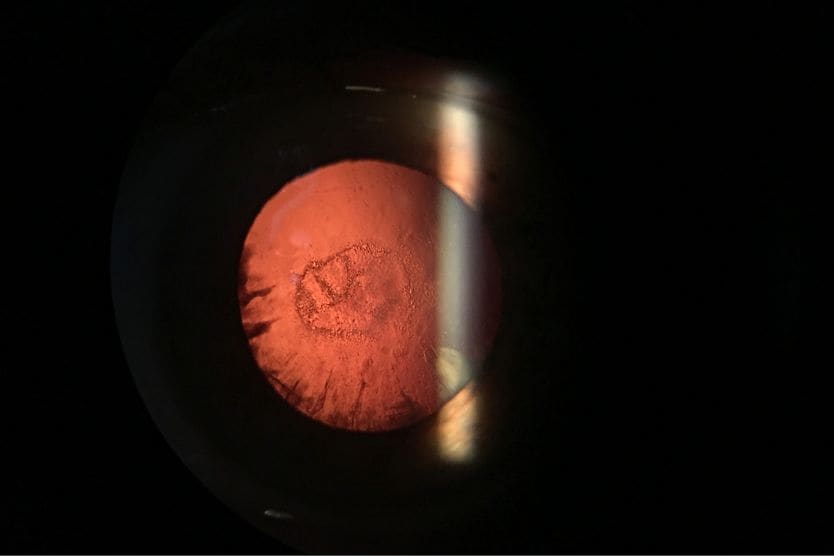
A congenital cataract is a clouding of the eye’s natural crystalline lens that is present at birth. Some cataracts may not be detected until later in infancy or childhood. Congenital and early-onset cataracts are often grouped within the broader category of pediatric or childhood cataracts. When the lens becomes cloudy, light may not pass through as easily to the light-sensing retina at the back of the eye, preventing the brain from receiving clear images.
Unlike age-related cataracts, which develop slowly over decades in older adults, congenital cataracts occur during a developmental window. Because a baby’s visual system is still developing, an untreated congenital cataract can hinder the formation of the normal visual pathway. As a result, permanent vision impairment can occur.
In many cases, congenital cataracts affect both eyes, although some infants develop a cataract in only one eye. Congenital cataracts are not very common. Estimates vary by population and study methods, but they affect approximately 1 to 5 children per 10,000.
Why early detection is important
Early detection and treatment are important because a cataract can reduce light to the retina during the first months and years of life. This is a critical period when the brain is learning to see. Poor visual input may lead to amblyopia (lazy eye), a condition in which the brain’s visual pathways do not develop properly. This can result in permanently reduced vision that cannot be corrected with glasses or contact lenses. If a child has a congenital cataract, their vision depends on:
- What type of cataract it is
- How dense the cataract is
- Where the cataract is located and if it affects only part of the lens or the entire lens
- Whether there is a cataract in one eye (unilateral) or both eyes (bilateral)
- Whether other eye conditions are present
For some cataracts, early treatment is very important. Your eye doctor will check how serious the cataract is and recommend appropriate treatment options.
Types of congenital cataracts
Cataracts can vary widely in how much they affect vision. They can be categorized in different ways, such as by their location and severity.
Location
Because different parts of the lens affect light differently, cloudiness in one location may affect vision more than the same amount of cloudiness elsewhere.
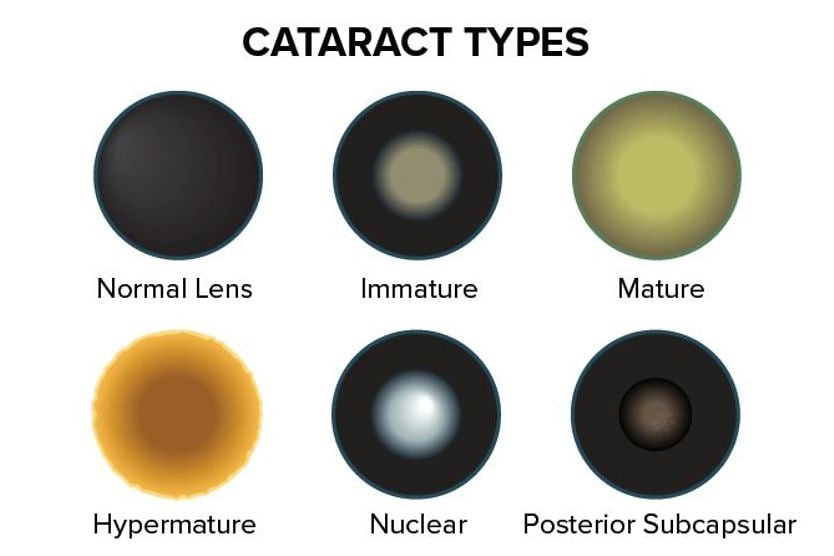
- Nuclear cataracts – Located in the lens center. Typically cause significant vision problems because light passes through the center first. These are often present from birth.
- Cortical cataracts – Located in the outer layer of the lens. They may progress slowly.
- Posterior subcapsular cataracts – Located at the back of the lens. They often cause glare and difficulty in bright light.
- Lamellar cataracts – Involve a specific layer of the lens and appear as bands or rings. When the clouding is central and dense, it can block light and impair vision.
- Anterior polar cataracts – Located on the front surface of the lens. They are typically small. Most do not affect vision much.
Severity
Your eye specialist also assesses how dense the cataract is and how much of the lens it covers.
- Mild cataracts – Have small areas of cloudiness that don’t affect vision too much. These are usually monitored without surgery.
- Moderate cataracts – Can affect daily activities, like reading or schoolwork. The doctor will assess whether surgery is appropriate for your child.
- Severe cataracts – Have dense cloudiness that greatly impairs vision and typically requires prompt surgical treatment.
The severity of the cataract depends on its size, density and location. A small cataract outside the central visual axis may have little effect on vision and may only require monitoring. A dense or centrally located cataract that blocks the visual axis can interfere with visual development and may require surgery.
Signs and symptoms of congenital cataracts
Some cataracts are detected during newborn screening. During this screening, a health care provider performs a red reflex test (a simple check with a light). However, cataracts sometimes develop or become noticeable later. When this is the case, parents are often the first to notice cataracts.
For visually significant cataracts, timely diagnosis and treatment are critical because prolonged obstruction of vision during infancy can cause irreversible amblyopia. The appropriate timing of treatment depends on the cataract’s size, density, location and whether one or both eyes are affected.
Knowing the early warning signs of congenital cataracts is critical. The window for normal visual development is limited. Children who are diagnosed and treated within the first few weeks or months of life generally achieve better vision than those whose treatment is delayed.
Signs and symptoms of cataract in a baby or young child include:
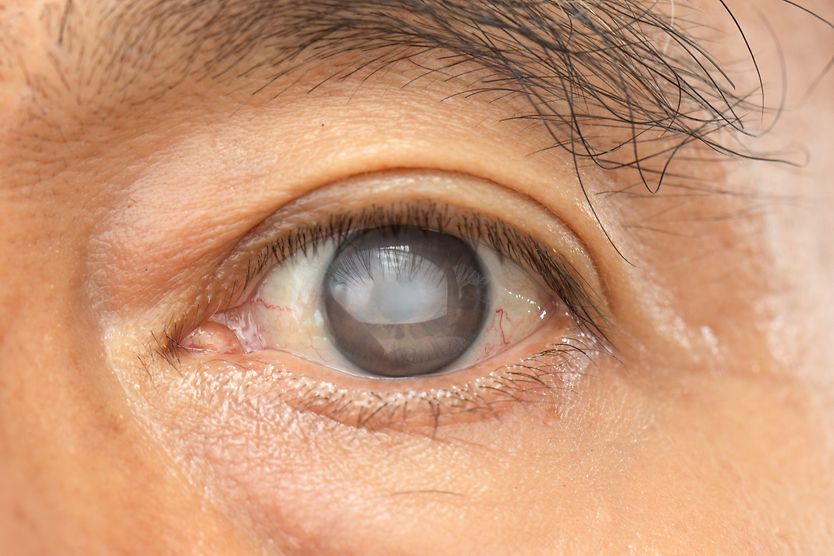
- White or grayish appearance to the pupil (leukocoria) – This occurs because the cloudy lens reflects light differently than a clear lens would. It may be visible during normal play or in certain lighting conditions.
- Abnormal red reflex in photographs – In normal photos, babies’ eyes show a bright red reflection. A cataract can cause this reflection to appear dim, white or absent because the cloudy lens blocks or scatters the red light.
- Reduced visual attention – Your baby may not track or reach for objects or seem less interested in faces or toys. They may appear not to focus on things the way other babies do.
- Favoring one eye – Your child may seem to look primarily with one eye and use the other less.
- Eye misalignment (strabismus) – The eyes may appear crossed or turned in different directions.
- Involuntary eye movements (nystagmus) – The eyes may seem to bounce involuntarily.
What can cause congenital cataracts?
Although cataracts are often associated with aging, infants and young children can develop them for various reasons. In about 62% of cases, the cause remains unknown, even after thorough evaluation. When the cause is known, it generally falls into two broad categories:
- Genetics (roughly 22% of cases)
- Factors such as infection or maternal health during pregnancy (roughly 11% of cases)
Your eye specialist will assess whether your child’s cataract affects one eye (unilateral cataract) or both eyes (bilateral cataract). These typically stem from very different underlying causes. The distinction helps doctors guide decisions about genetic testing or additional health screenings.
Genetic causes
Genetic changes are an important cause of congenital cataracts, particularly when both eyes are affected. Many different genes have been linked to cataract formation. Inherited cataracts are most commonly autosomal dominant, although autosomal recessive and X-linked forms also occur.
Autosomal dominant means only one mutated gene copy from one parent is needed to cause the condition. Autosomal recessive means mutated copies of the gene must be inherited from both parents. X-linked means the gene is located on the X chromosome. Males have one X chromosome (and one Y) and females have two X chromosomes. Genetic testing may identify a cause in many children with bilateral cataracts.
Cataracts can also be part of larger genetic syndromes that affect multiple body systems, the most common of which is Down syndrome (trisomy 21). Metabolic disorders can also affect lens development in both eyes. These include conditions such as:
- Galactosemia (inability to process certain sugars)
- Hypocalcemia (low blood calcium)
- Diabetes (inability to properly regulate blood glucose)
When a child has bilateral cataracts, genetic testing and counseling may be recommended to help determine the cause.
Infections and health during pregnancy
Not all congenital cataracts result from genes passed through families. About 10% of cases are due to infections or other events that occur during pregnancy. This type can be preventable or manageable with proper prenatal care.
Certain infections that occur during pregnancy can cross the placenta. This can result in damage to the developing eye structures. Because the lens forms during pregnancy, infections at this vulnerable time may lead to cataract development.
The most common infectious causes of congenital cataracts include:
- Rubella (German measles)
- Cytomegalovirus (CMV)
- Herpes simplex virus (HSV-1 and HSV-2)
- Varicella zoster virus (chickenpox)
- Toxoplasmosis (from undercooked meat or cat feces)
- Syphilis
- Influenza
- Measles
- Polio
Because these infections are known risks, doctors often recommend that pregnant women be tested for exposure. This screening is called TORCH, which stands for:
- Toxoplasma
- Other infections (such as syphilis)
- Rubella
- Cytomegalovirus
- Herpes simplex
Identifying these infections early allows doctors to monitor the baby closely after birth and watch for signs of cataracts or other complications.
Beyond infections, the developing eye structures can be sensitive to environmental stresses and nutritional deficiencies. Speak with your healthcare provider about proper nutrition and potential risks to avoid, keeping in mind the goal is to have a healthy, safe pregnancy.
How are congenital cataracts diagnosed?
Cataracts may be detected through newborn screening. In some cases, parents are the first to notice something unusual about their child’s eyes.
The red reflex test
Many hospitals check for cataracts as part of newborn care using a simple red reflex test. This test looks for a bright red reflection from the back of the eye, like the “red eye” seen in photos. If the lens is cloudy, the reflection may appear dim or white rather than red.
If screening or a parent notices signs or symptoms of a cataract, the next step is to see a specialist. The doctor will ask about family history and use special instruments to check the lens and look for other eye problems. A comprehensive eye exam can include:
- Pupil dilation – Eye drops are used to temporarily widen the pupil. This allows a clear view of the lens and other eye structures.
- Specialized imaging – Detailed imaging can help fully assess the severity of the cataract and determine the extent of your child’s vision impairment.
Can you prevent congenital cataracts?
Congenital cataracts cannot always be prevented. However, there are steps you can take before and during pregnancy to reduce your baby’s risk.
Before pregnancy
To help ensure a healthy pregnancy:
- Schedule a preconception checkup – Your provider can assess your overall health and nutrition needs.
- Update your vaccinations – Your provider can determine which vaccines you need.
- MMR vaccine (protects against measles, mumps and rubella) – If you need this vaccine, wait at least four weeks before trying to conceive.
- Chickenpox vaccine (given in two doses) – If needed, wait at least one month after your second dose before trying to get pregnant.
- Manage chronic health conditions – Addressing any existing health conditions can help prevent complications.
Steps to take during pregnancy
Once you’re pregnant, you can help safeguard your baby’s development by:
- Attending all prenatal care appointments
- Continuing to manage your chronic health conditions
- Protecting yourself from injury
- Reducing the risk of certain infections
- Avoiding undercooked meat or coming into contact with cat feces
How are congenital cataracts treated?
Your eye specialist will discuss treatment options based on several factors, including:
- The size and density of the cataract
- Which eye is affected
- Your child’s age
- How much the cataract is affecting vision
Not all congenital cataracts require surgery. If the cataract is only a tiny spot on the lens that doesn’t block light, your eye specialist may recommend:
- Patching (covering the stronger eye) to treat or prevent amblyopia
- Glasses or contact lenses if refractive error is present
- Monitoring for changes
When surgery is needed
If a child is born with a dense cataract that blocks light, surgery is usually needed as soon as possible, ideally by six to eight weeks old. A dense cataract can keep light from reaching the retina. If the brain doesn’t receive clear images during the developmental phase, it may never learn to process the images properly, even if the cataract is removed later.
After cataract removal, your child will need one of the following to help focus light:
- Intraocular lens (IOL) – A clear, permanent artificial lens that is surgically implanted into the eye during cataract surgery, replacing the natural lens. Since young children’s eyes are still developing, this may not be appropriate for some children.
- Contact lenses – Most children who don’t receive an IOL implant during surgery are fitted with specialty contact lenses a few days after surgery.
Children who have had cataract surgery may develop other eye problems over time. It is important to go to all follow-up and routine appointments. Your child’s pediatric ophthalmologist or optometrist can detect and manage complications early.
Supporting your baby’s vision as it grows
Your child needs ongoing support to help their eyes and brain work together so they can achieve optimal vision. This includes ensuring an updated prescription, attending specialized therapy and monitoring for complications.
In the first few years of life, your child’s eyes grow rapidly. To keep pace with this growth, their eye care provider will monitor them at regular checkups and update glasses or contacts as needed. Patching therapy may be recommended for some children. This is to prevent amblyopia (lazy eye) by strengthening the neural connections of the affected eye.
As your child grows, they may need academic support due to vision challenges. Working together with teachers and specialists can help ensure your child is successful in school and other activities.
When to seek care
All babies should have their eyes screened as part of routine newborn care. Most hospitals and clinics perform a red reflex test before babies leave the hospital. This can help detect cataracts and other eye problems early. However, some cataracts may not develop or be detected until later. Seek medical care if you notice your child has:
- White or grayish appearance to the pupil
- Abnormal red reflex in photographs
- Reduced visual attention
- A preference for one eye
- Eye misalignment
- Involuntary eye movements (nystagmus)
Some babies are at higher risk of developing cataracts. They may need more comprehensive eye exams beyond routine newborn screening. If any of the following apply to your baby, request a comprehensive eye evaluation by a pediatric eye specialist:
- Family history of cataracts or other eye problems
- Maternal infections during pregnancy, such as rubella, CMV or chickenpox during pregnancy
- Genetic syndromes, such as Down syndrome, or other conditions associated with eye problems
- Premature birth
One thing to remember if congenital cataracts run in your family: Let your pediatrician know so they can monitor your child closely and will likely refer you to an eye doctor for a comprehensive eye exam.