How unproven COVID treatment ivermectin can affect your vision
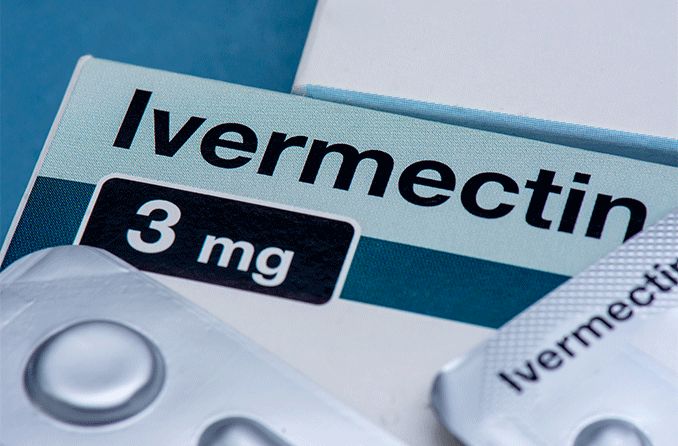

Ivermectin is not approved for use against COVID-19
Ivermectin is an effective medication, dubbed a “wonder drug” for its ability to combat parasitic diseases. It first emerged in 1988 as an effective treatment for river blindness. It’s also used to treat acne rosacea and combat Demodex mite infestation of skin and eyelids.
Side effects of ivermectin include eye-related symptoms, like pain, redness and vision problems. Ivermectin has not been approved or authorized by the U.S. Food and Drug Administration (FDA) for treatment or prevention of COVID-19.
Many national and global health agencies continue to advise against using ivermectin to treat or prevent COVID-19.
Plus, when a doctor isn’t a part of the equation, factors like dose amounts, side effects and adverse reactions aren’t being monitored. This can potentially lead to serious problems.
What can ivermectin do to your eyes?
Ivermectin’s treatment of roundworm infections had a significant impact on global health. The impact was so significant that its discoverers were awarded a Nobel Prize in 2015.
One of the roundworms treated by ivermectin is Onchocerca volvulus. This roundworm causes a vision-threatening infection called onchocerciasis — also known as river blindness.
Most cases of river blindness occur in sub-Saharan African countries. The tropical climates around streams and rivers are a breeding ground for blackflies that transmit worm larvae to people.
The treatment plan for river blindness centers around ivermectin. Ivermectin kills worm larvae before they can grow into adults. Without the early use of this medication, the worms can live inside someone for as many as 10 to 15 years. This can lead to serious eye, skin and other health problems.
To treat a Demodex mite infestation, topical ivermectin is applied daily for 16 weeks for the best results.
As helpful as ivermectin is for slowing parasite infections, adverse reactions can still occur.
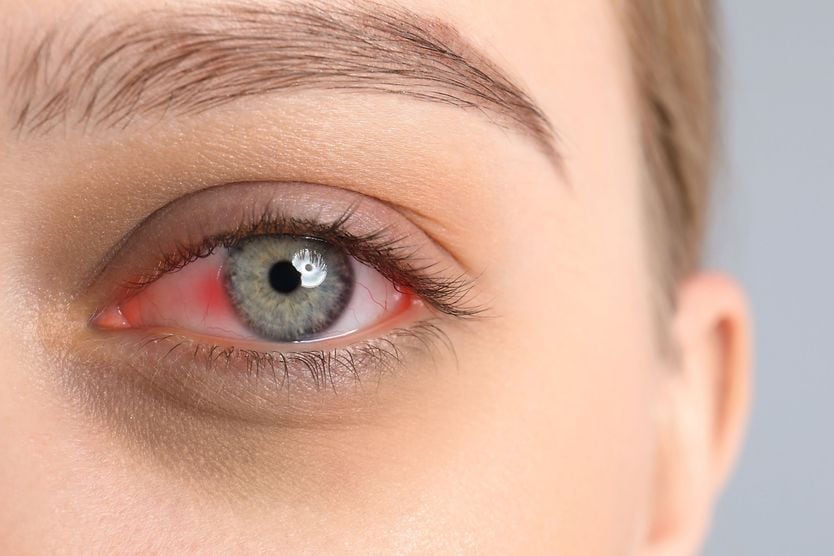
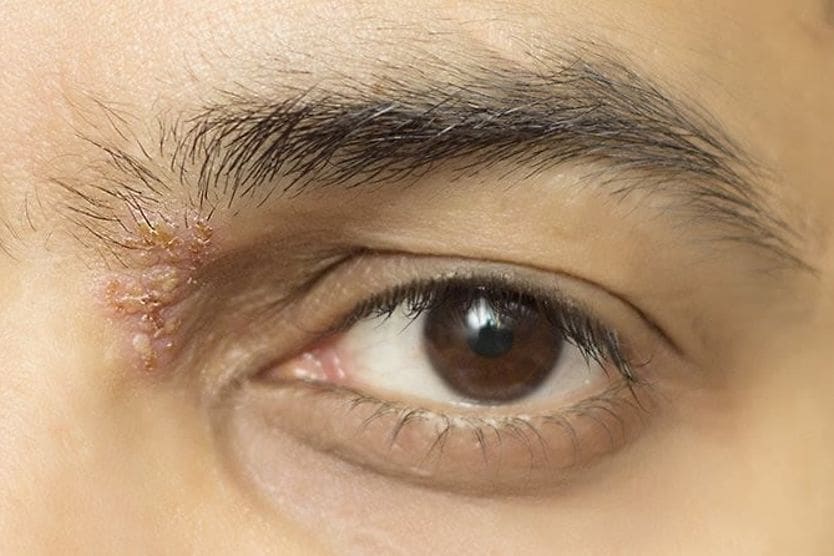
For example, ivermectin can cause eye-related symptoms, including:
- Eye pain
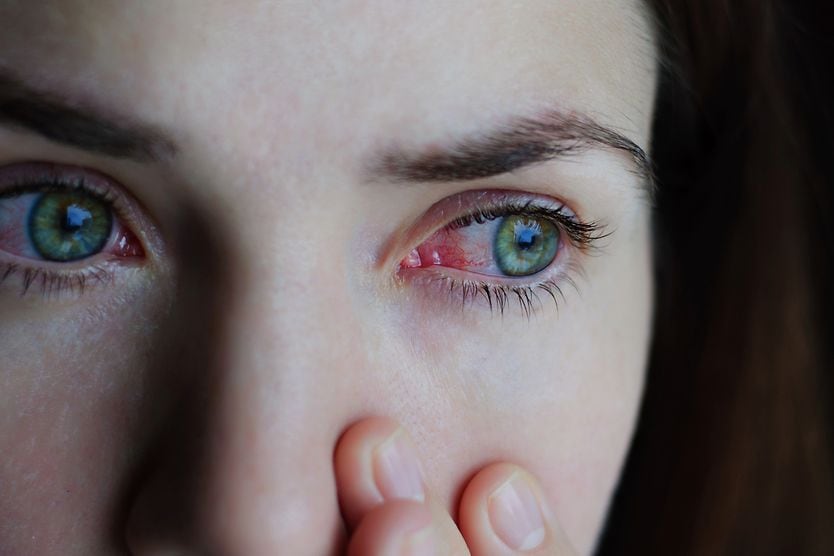
- Eye redness
- Puffy eyes
- Vision problems
- Vision loss
Elsewhere in the body, ivermectin reactions can lead to:
- Severe skin rashes and itching
- Neurological problems, including confusion and difficulty walking
- Fever
- Swollen lymph nodes and swelling in the hands and feet
- Stomach and joint pain
- Elevated heart rate
- Difficulty breathing
- Loss of bladder or bowel control
- Seizure
Adverse reactions and side effects can happen with almost every medication. But they can become a much more serious problem when the drug isn’t prescribed and supervised by a medical professional.
Side effects and reactions can be worsened when people take high doses of ivermectin or use a form intended for animals. Taking non-prescribed ivermectin could lead to hospitalizations and even death, in some cases.
SEE RELATED: Eye worms
Do we know for sure that it doesn’t help with COVID?
The National Institutes of Health (NIH) has discontinued its COVID-19 Treatment Guidelines website. However, the NIH did make a final recommendation against using ivermectin for COVID treatment before archiving the site.
They cited several “adequately powered, randomized trials” of ivermectin not being able to show effectiveness against COVID-19. They also noted that a few studies had shown a possible anti-COVID effect in vitro (outside of a human or animal). But the amount of ivermectin needed for those effects was nearly 100 times higher than is safe for humans.
Talk to your doctor
Health organizations advise that vaccines are still the best bet for protecting most people against COVID-19.
If you have reservations about getting a COVID-19 vaccine, speak to your doctor. They will consider any medical history or health concerns before they make a recommendation.
John Egan also contributed to this article.