Symptoms of ptosis


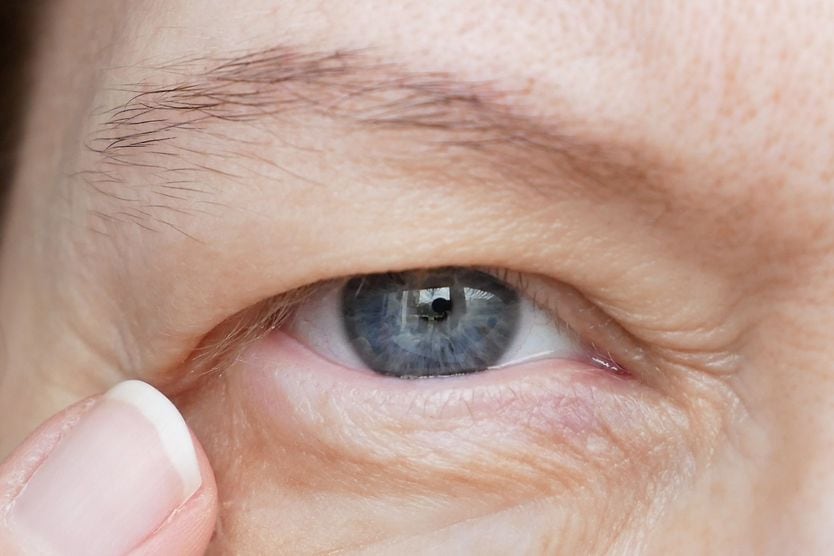
Ptosis is a condition characterized by the drooping of the upper eyelid. While the symptoms of ptosis may seem pretty straightforward — it is in the title, after all — symptoms experienced in addition to a droopy eyelid could help indicate the source of the issue.
Ptosis symptoms
Symptoms of ptosis can be very mild and unnoticeable, or severe. Ptosis can also affect one or both eyes and be ever present or come and go.
If you notice the symptoms listed below in yourself, it’s possible that you have ptosis:
Drooping eyelids
Drooping of the upper eyelids is the most common symptom recognized in ptosis. Typically, individuals will observe that one eye is more open than the other or that one eyelid appears lower than the other.
If the difference is very slight and you experience no other symptoms, this could be a result of fatigue and may resolve on its own. However, it’s important to monitor any changes in the eyelid(s) or development of new symptoms.
Crossed eyes
Having crossed or misaligned eyes (strabismus) is commonly associated with ptosis. This has to do with the fact that the cranial nerve responsible for eyelid movement is also responsible for eye alignment, movement, tracking and focus.
The muscles of the eye are closely related, so when an eye disorder is present that affects the eyelid, it’s very common for the eyeball to be affected as well, though not guaranteed.
SEE RELATED: Ptosis FAQ
Double vision
Double vision is a symptom that somewhat relies on having crossed eyes. Normally individuals who have crossed eyes experience double vision due to the misalignment.
It’s also possible for children with congenital ptosis to have double or blurred vision due to astigmatism, a common refractive error.
Tilting head back in order to see
This symptom is seen in severe cases of ptosis. When the eyelid has sagged to the point where it is beginning to block/cover the pupil, individuals will often tilt their heads back in order to see clearly.
Over time, this compensation can cause head and neck problems. If ptosis is beginning to affect your ability to see, we recommend visiting your eye doctor to discuss possible solutions.
Eye and forehead fatigue
It’s common for people with ptosis to experience fatigue around their eyes and forehead. This is due to the extra work surrounding muscles do to compensate for a drooping eyelid.
Eyebrows may stay raised to try and lift the eyelid, resulting in exhaustion of forehead muscles. Muscles within the eyelids also can fatigue if they are working extra hard to lift a droopy eyelid.
Difficulty closing the eye or blinking
If ptosis is caused by a neurological disorder that affects nerves or muscles of the eye, like myasthenia gravis, the ability to close or blink the eye(s) may be limited. This is due to the failure of the nerves and muscles in charge of opening/closing the eyes to work together.
Dry or watery eyes
Eyelids are responsible for protecting the eyeball from dirt and debris, as well as keeping it moist. When the eyelid is unable to close completely or frequently, it can cause the eyes to dry out and become irritated.
When your eyes are dry, your brain sends a signal to the lacrimal gland, which is responsible for producing tears. This results in an overproduction of tears and eye watering.
SEE RELATED: Natural home remedies for droopy eyelids
When to see a doctor
It’s possible for individuals to have simple ptosis, meaning drooping eyelids are the only symptom present. This is most common in older adults, because the natural aging process includes relaxation of connective tissue, which leads to drooping.
While having other symptoms besides the ones listed above isn’t a cause for alarm, it could indicate an underlying condition.
If you notice ptosis developing and it does not resolve after a few days, or gets worse, a visit to your eye doctor is recommended. Also, if you experience any headaches or changes in your motor function, medical attention should be sought quickly, as a more serious condition could be the cause of your ptosis.
READ MORE: Diagnosing ptosis