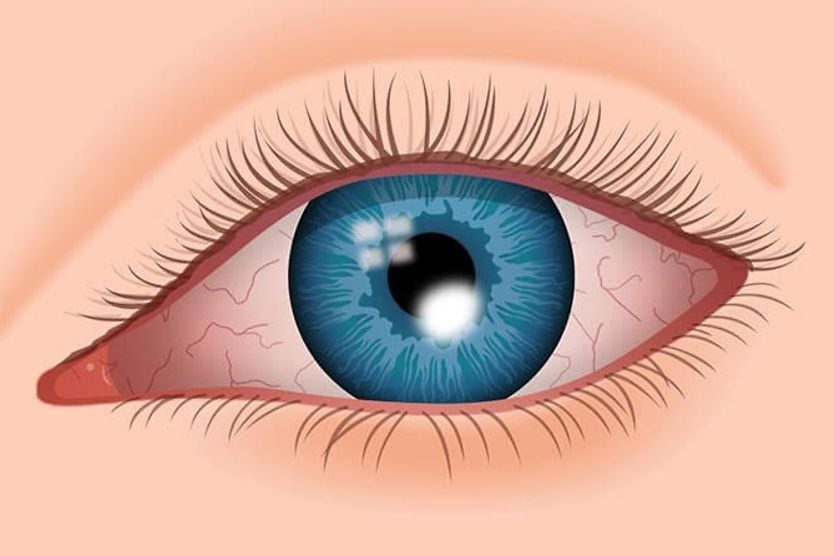
Neurotrophic keratitis: Causes, symptoms and treatments


What is neurotrophic keratitis?
Neurotrophic keratitis (NK), also called neurotrophic keratopathy, is a degenerative condition of the cornea caused by damage to the corneal nerves or their associated nerve pathway. This condition was traditionally thought to be quite rare, affecting approximately 5 out of every 10,000 people. However, it may be underdiagnosed because early cases often mimic other common conditions, like dry eye, or have minimal symptoms. If left untreated, this type of keratitis may lead to permanent vision loss, impaired eye healing and other effects on eye health.
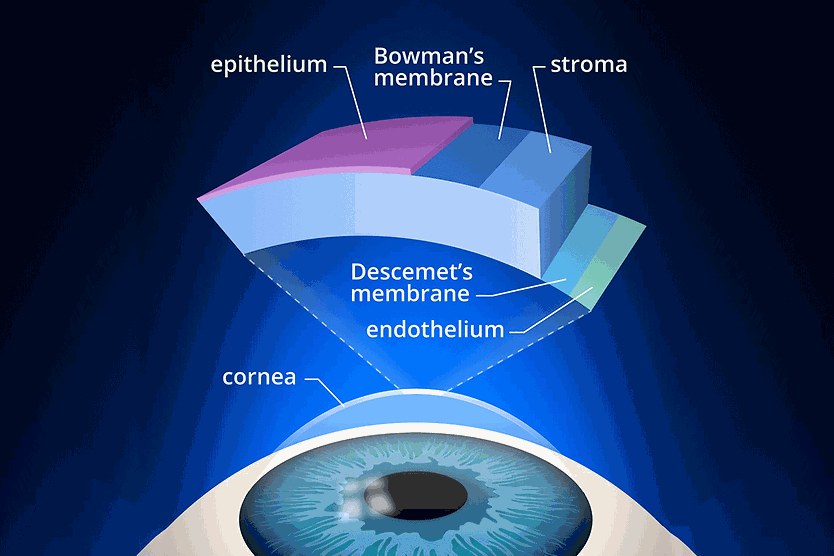
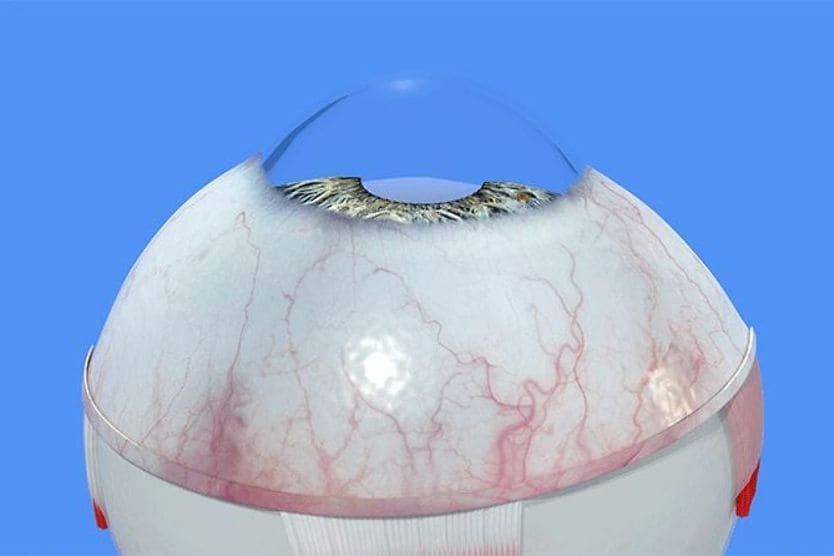
This condition occurs in the cornea. The cornea is the transparent outer layer that covers the iris and pupil. It protects the eye from any outside materials, such as dust or germs. The cornea also helps the eye focus. This outer layer contains a network of sensory nerves. If these nerves are damaged, it may lead to neurotrophic keratitis.
There are many possible causes of this condition. They range from chronic conditions to viruses and surgeries. Neurotrophic keratitis can affect one or both eyes.
Causes and risk factors of neurotrophic keratitis
Nerves carry messages between different parts of the body. There are various nerves that help the eye send and receive information. One is the trigeminal nerve. This nerve starts in the brain and travels throughout the head. One of its stops is the cornea. If this nerve is damaged in the cornea, or at any point along its pathway, it may cause neurotrophic keratitis.
Herpes keratitis, a type of eye herpes, is the most common cause. There are many other possible reasons as well.
Medical procedures, injuries and viruses that may cause neurotrophic keratitis include:
- Some corneal surgeries, including refractive surgery like laser-assisted in-situ keratomileusis (LASIK)
- Chemical burns
- Ablative procedures that treat trigeminal neuralgia
- Brain surgery or tumors and other growths inside the skull that affect the trigeminal nerve
- Facial fractures or the surgeries intended to repair these facial fractures
- Herpes simplex or shingles (herpes zoster) infection of the eye
- Leprosy
Some chronic conditions may impact trigeminal nerve function, leading to neurotrophic keratitis:
- Multiple sclerosis
- Diabetic neuropathy
- Genetic and congenital disorders that affect the trigeminal nerve
- Stroke
Additionally, other diseases can increase the risk of this condition:
- Diabetes
- Recurring ocular surface disease (such as dry eye disease)
- Sjögren’s disease
- Granulomatosis with polyangiitis (GPA)
- Systemic lupus erythematosus (SLE)
Certain habits or medications may also increase the risk:
- Wearing contact lenses for too long
- Applying certain topical medications
- Using eye drops with benzalkonium chloride, a preservative
- Use of certain systemic medications such as antihistamines and antipsychotics
These are not the only causes, but they are some common ones. Often, neurotrophic keratitis develops in people with multiple causes or risk factors.
Symptoms and stages of neurotrophic keratitis
Neurotrophic keratitis symptoms may include:
- Eye redness
- Tired eyes
- Reduced visual acuity (sharpness of sight)
- Dry eyes
- Reduced urge to blink
- Blurred vision
- Fewer tears produced
- Light sensitivity
However, as the disease progresses and nerve damage worsens, you may not experience many symptoms or experience much discomfort because the nerves responsible for sending pain signals are no longer working properly. This means you may not feel damage to the cornea, even if it is significant. Eye doctors traditionally classify this condition into one of three stages. This is based on the signs they see as the disease progresses.
Stage 1: Early NK
In stage one, corneal sensitivity is likely already reduced, and the main findings are signs of hyperplasia, or an abnormal increase in the number of cells in the cornea’s outermost region. This region is called the corneal epithelium.
At the same time, this layer may experience punctate keratopathy. This is when there is damage to or a loss of the cells that help protect the eye.
During stage one, many people will experience symptoms of dryness or they may not experience symptoms at all. Neurotrophic keratitis impacts corneal sensitivity. This means the cornea may not be as responsive to pain.
If symptoms are present, they are usually mild. Punctate keratopathy, for example, may lead to blurred vision.
Stage 2: Intermediate NK
Stage two is characterized by persistent epithelial defects, which are areas of damage to the cornea that do not heal on their own within the typical two-week window. At this stage, the damage to the cornea has begun to affect a larger area and symptoms, such as blurred vision, may become more noticeable. At this point, irritation may still occur, but it is also possible for discomfort to decrease as the nerves' ability to sense damage is further reduced.
Stage 3: Advanced NK
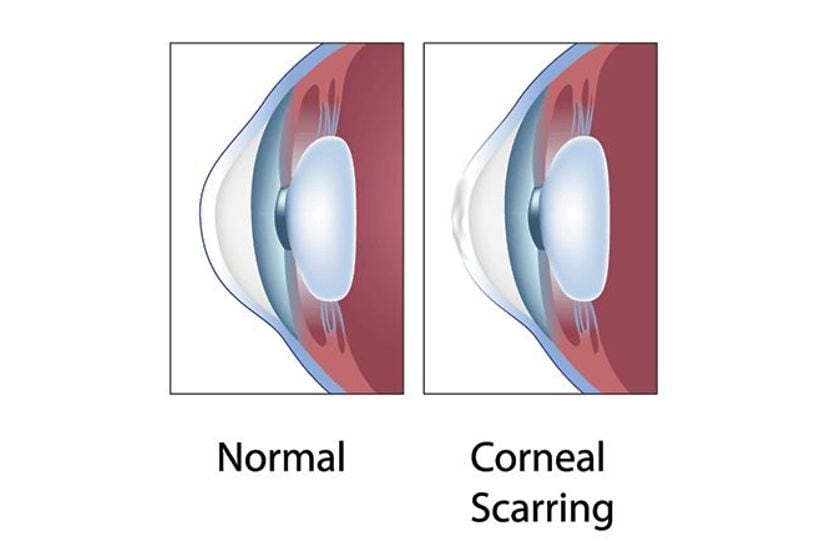
When corneal ulcers are present, the condition has progressed to stage three. Corneal ulcers are wounds that involve deeper layers of the cornea, which can cause permanent scarring, corneal thinning or even a hole (known as a perforation) to develop. These ulcers are considered severe and may lead to more serious symptoms, including vision loss. Despite the serious damage that can occur at this stage, there is often little to no associated pain because the nerves have significantly or completely lost their ability to sense pain.
Diagnosing neurotrophic keratitis
If you have a history of conditions or diseases that can cause nerve damage, or your eye doctor notices signs of NK during your eye exam, they will then perform a corneal sensitivity test. During this test, the eye doctor gently touches the surface of the cornea with a corneal esthesiometer, a special device that measures sensation in the cornea, or a cotton swab. This test determines if the corneal nerves can feel the object touch the surface or not. If the doctor finds that corneal sensitivity is reduced or absent, then NK can be diagnosed.
It is important to note that in its early stages, NK can appear just like common conditions like dry eye. This is why checking the sensitivity of the nerves is important, as it is the best way to determine if the condition is NK or something else. Making this distinction is important when determining what treatments will be used.
Treatment options for neurotrophic keratitis
After diagnosing neurotrophic keratitis, an eye doctor will create an appropriate treatment plan. Treatments can help slow the disease’s progression or help heal the cornea.
To slow progression and maintain eye health, start treatment as soon as possible.
Traditional and regenerative therapies
For early-stage NK, treatment has traditionally focused on lubricating the eye. The use of artificial tears or gels is common to help keep the eye hydrated. However, because the condition is caused by damage to the nerves, the focus of treatment has shifted to the use of therapies capable of repairing nerve damage and encouraging corneal healing. Treatments such as autologous serum tears, which are made from a patient's own blood, contain healing factors that can be beneficial.
Amniotic membranes may also be used in the treatment of NK. An amniotic membrane is a layer of processed placental tissue that contains healing factors that can help repair the nerves and cornea. While these can be placed surgically, the most commonly used versions can be placed in your doctor's office during a regular visit. Amniotic membranes can be beneficial for all stages of NK.
There is also a prescription treatment, cenegermin, specifically developed and FDA-approved to treat neurotrophic keratitis. These eye drops are made of a special form of recombinant human nerve growth factor (rhNGF), which can repair damage to the corneal nerves and help the cornea heal. It can be used to treat all stages of severity (one to three) of NK.
Surgical treatments
If the disease progresses to an advanced stage, typically stage three, then surgical treatments may be necessary. Some surgical interventions, such as temporary or permanent tarsorrhaphy, may be suitable during stage two as well. Tarsorrhaphy is a procedure to join the lower and upper eyelids in order to help the cornea heal.
However, most surgical interventions are reserved for severe cases. Surgeries for stage three neurotrophic keratitis include:
- Corneal neurotization – A surgery that moves healthy donor nerves to the damaged cornea to restore nerve function. Improvement in nerve function can develop gradually over months, and the surgery may be considered before the disease reaches stage three.
- Conjunctival (Gundersen) flap – A surgical procedure that involves pulling the conjunctiva (the clear tissue that covers the white part of the eye) over the cornea to cover it and help it heal. It’s often used when other treatments don’t work, since it can significantly reduce vision.
Emerging therapies
Researchers are also looking into investigational therapies. These are not currently available but may help treat this condition in the future.
Matrix regeneration therapy, which rebuilds damaged corneal tissue, has promoted corneal healing and reduced corneal ulcers in some studies. That said, trial results are mixed.
Researchers have also investigated thymosin β4, a naturally occurring peptide (a small protein). It has helped with corneal healing and inflammation in animal studies. In a small human trial of people with NK, more eyes healed with thymosin β4 drops than with placebo drops, but the difference was not conclusive, and it remains investigational.
Gene therapy is also being studied. An early-stage clinical trial is testing an eye drop that uses a modified, non-replicating virus to deliver a specific gene for nerve growth factor to cells on the front of the eye so the eye can make its own supply.
Living with neurotrophic keratitis
Neurotrophic keratitis can impact quality of life. People report that it makes it harder to drive, read and watch television. An eye doctor may offer tips on how to potentially make it easier to live with this disease.
For those who experience vision impairment, psychosocial treatments may also help. These address the mental health challenges of vision changes. Examples include support groups or therapy.
An eye doctor may also recommend steps to prevent complications. This may include stopping certain topical medications.
It’s also important to follow your treatment plan. If prescribed cenegermin, for example, it is recommended to use the medication as instructed by your eye doctor. This could help stop the disease’s progression and even improve the condition.
Even when treated, NK can recur. However, the condition tends to respond well to retreatment, so keeping regular follow-up appointments with your eye doctor is important to keep the disease under control.
Advancing care for neurotrophic keratitis
Neurotrophic keratitis can be a challenging condition. Fortunately, treatment can often prevent disease progression and preserve corneal health.
However, if you notice sudden vision changes or other warning signs of a corneal ulcer, seek care the same day.
Keep in mind that early diagnosis and intervention lead to improved outcomes. If you believe you may have this condition, make an appointment with an eye doctor who can figure out what’s going on.