Pink eye symptoms
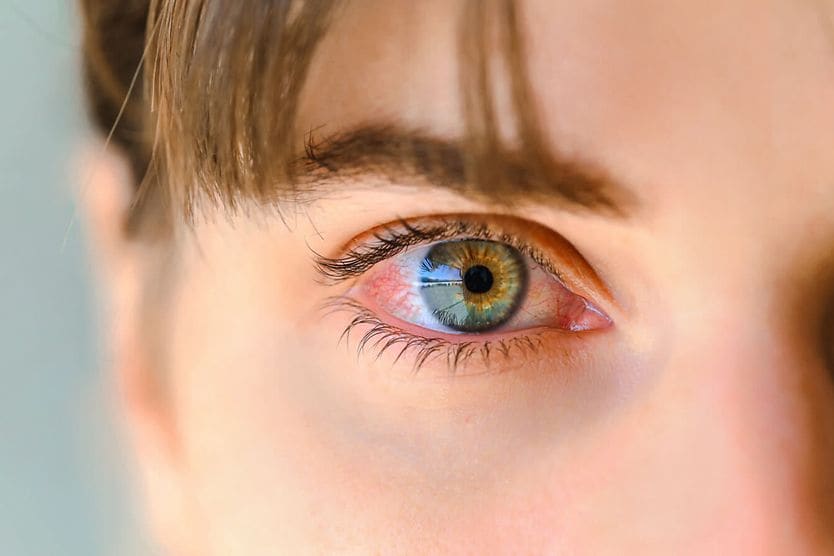
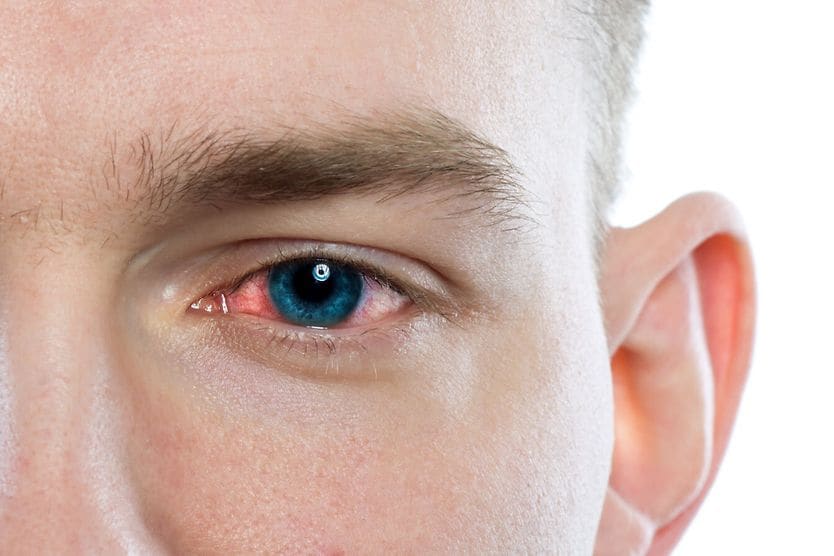
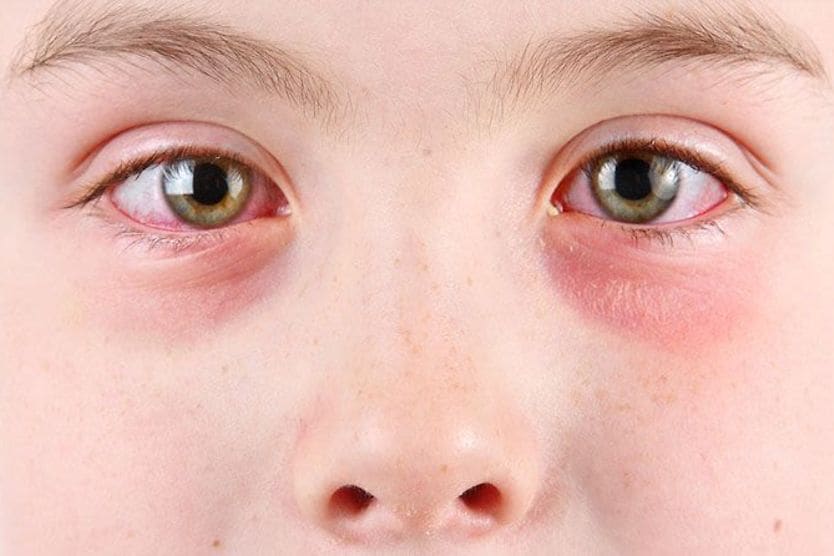
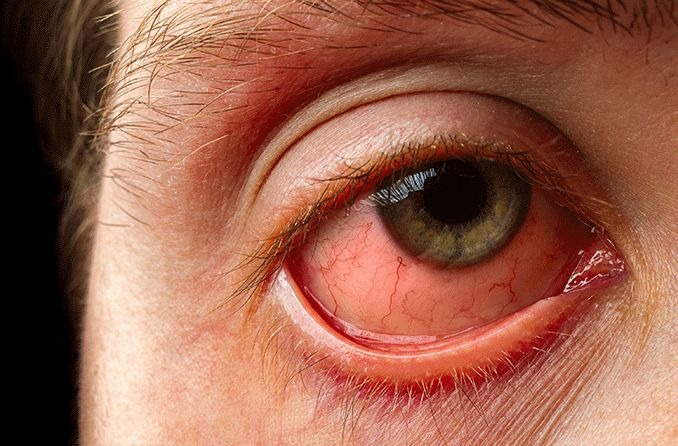
Having pinkish-red eyes is the main sign of conjunctivitis (often called pink eye). Other signs and symptoms can vary a bit depending on which type you have — viral, bacterial, allergic or irritant/chemical. However, you can have any of the primary signs and symptoms with any type of conjunctivitis:
- Pinkish-red or red eyes
- Eye discharge
- Excessive eye watering
- Small pinkish or whitish bumps on the inner eyelids
- Eyelid swelling or puffiness
- Foreign body sensation
- Burning or stinging eyes
- Itching eyes
- Mild eye soreness
- Light sensitivity
Symptoms by type
Each type of conjunctivitis can have slightly different signs and symptoms because they each have a different cause. In other words, pink eye that is caused by a virus may look and feel a little different than pink eye caused by a bacterial infection.

However, it can be difficult to tell them all apart without an eye exam from an eye doctor. The slight differences in symptoms are not always clear or even visible to the naked eye.
Pink eye signs and symptoms in adults, kids and babies are often generally the same. For example, the symptoms of pink eye in toddlers may not be any more or less noticeable than symptoms in kids or adults and vice versa. The viral and bacterial forms are extremely contagious among all ages of people, but those who spend time in group environments like offices and classrooms are often more at risk.
Viral conjunctivitis
The viral form is the most common and accounts for about 80% of all cases. It is usually caused by the same types of viruses that cause seasonal colds and flu, so it often occurs alongside a cold, flu or upper respiratory infection. Symptoms usually last between one and two weeks, but it is contagious before symptoms appear.
Symptoms can show up in one eye, both eyes, or one eye and then both eyes. Viral pink eye symptoms in kids and adults can include:

- Red eyes
- Burning eyes
- Foreign body sensation
- Itchy eyes
- Tearing
- Watery, thin discharge
- Small, whitish bumps (called lymphoid follicles) on the inner eyelids
- Light sensitivity
Bacterial conjunctivitis
This form is caused by a contagious bacterial infection instead of a viral one. It can often occur along with an ear infection. Bacterial pink eye symptoms can last one to two weeks, but they tend to clear up within about a week. Your eye doctor may prescribe antibiotics to help reduce the length and severity of any symptoms.
Bacterial conjunctivitis symptoms can affect one or both eyes:

- Red eyes
- Burning or stinging feeling in the eyes
- Foreign body sensation
- Eye soreness
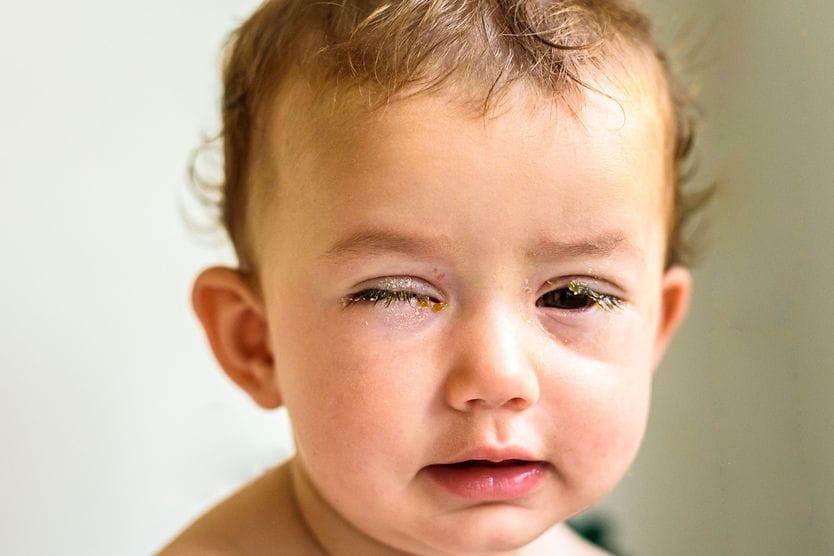
- Sticky, yellow or green-yellow eye discharge
- Eyelids sticking together, especially after waking up
- Small, whitish bumps (lymphoid follicles) or pinkish bumps (papillae)on the inner eyelids
- Blurry vision (caused by a film of discharge)
- Mild eyelid swelling
Allergic conjunctivitis
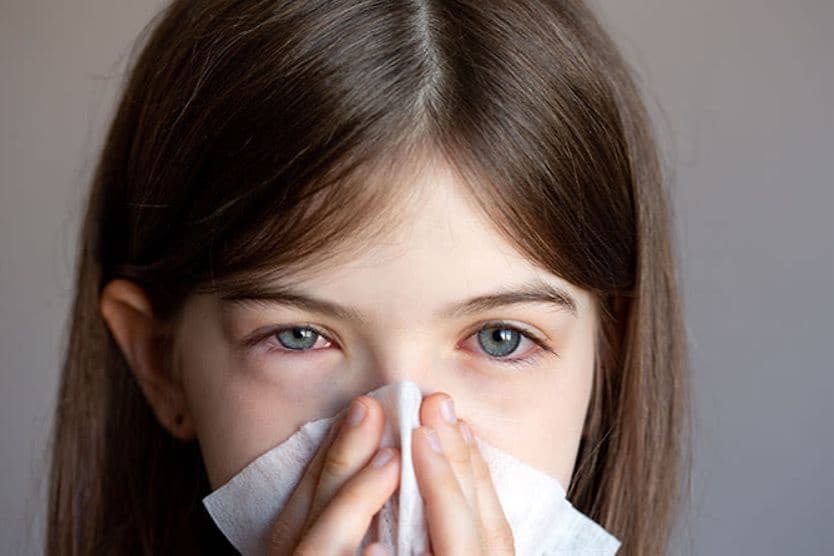
This can be caused by many common allergens that make eye allergies flare up. It affects both eyes and usually occurs along with other typical allergy symptoms. It is not contagious, but over-the-counter eye drops or allergy treatments may be recommended to help ease symptoms.
Allergic symptoms can closely resemble the viral form, but they are often milder. Symptoms can include:

- Very itchy eyes
- Red eyes
- Excessive watering or tearing
- Small, pinkish bumps (papillae) on the inner eyelids
- Puffy or swollen eyelids
Symptoms of other types of pink eye
There are several other types of conjunctivitis besides viral, bacterial and allergic. They all tend to share similar symptoms, to varying degrees. However, there are a few notable differences.
Irritant conjunctivitis is a catch-all term that covers any type caused by external irritants. It includes chemical, toxic and giant papillary conjunctivitis.
Chemical conjunctivitis (caused by chemical splashes or fumes; exposure to pollution, smoke, etc.):
- Can be much more painful, depending on the type of chemical affecting the eyes.
- Can cause more severe swelling.
- Can cause decreased vision.
Toxic conjunctivitis (typically caused by long-term use of certain prescription eye drops):
- May start off with mild symptoms that become more severe over weeks or months (as opposed to appearing suddenly).
- May present with small, whitish bumps on the sclera (white part of the eye) as well as the inner eyelid.
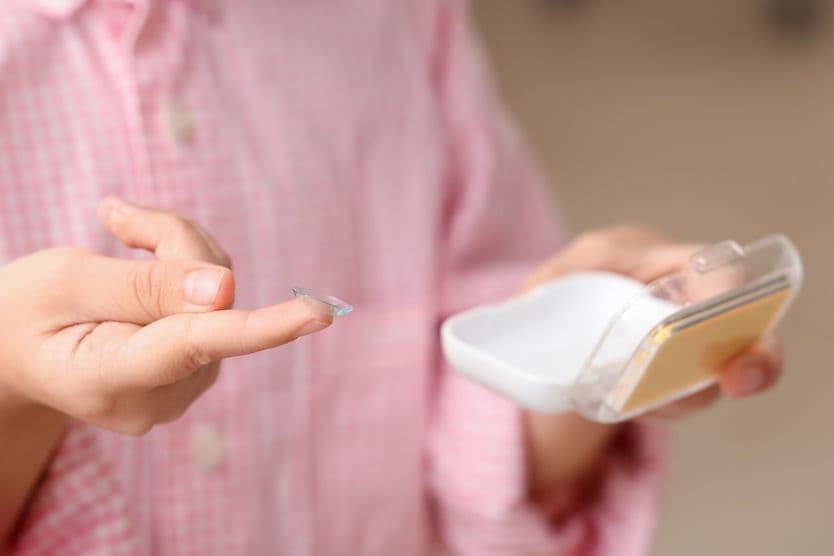
Giant papillary conjunctivitis (caused by consistent friction from the eyelid moving over an object in the eye, such as a contact lens, suture or prosthetic):
- Develops in stages, unlike most other types.
- Begins with mild “grittiness” and discomfort and progresses to painfulness, discharge and contact lens intolerance.
- Presents with small, pinkish bumps (papillae)on the upper inner eyelid that gradually grow larger in size (.3 mm-2 mm) and number.
- Is most common with regular soft contact lenses and least common with daily disposable contacts.
Early stage pink eye symptoms
Conjunctivitis does not generally have different early-stage and later-stage symptoms. Bacterial pink eye typically has a shorter incubation period than viral, but the symptoms of both tend to appear all at once. However, they may get a little worse before they get better.
Though most cases seem to show up “overnight,” there can be exceptions. For example, symptoms of irritant conjunctivitis may appear immediately or over time, depending on the cause.
Is pink eye a symptom of COVID?
Pink eye can be a symptom of COVID-19, but it seems to be rare. COVID-19 can be spread via the eyes, and viral pink eye can be caused by the coronavirus. However, other viruses and bacteria are much more common causes.
If you have symptoms of pink eye, it's important to let your eye doctor know if you suspect you've been exposed to COVID-19.
How to relieve your symptoms
After your eye doctor determines which type of pink eye you have, there are a few things they may recommend to ease your symptoms at home.
Warm and cool compresses may help to reduce swelling and relieve any burning or stinging. Over-the-counter lubricating eye drops may also help reduce symptoms. Antihistamine eye drops may help relieve the symptoms of allergic conjunctivitis.
Never use any "natural" treatments for pink eye without talking to your eye doctor first. Some of them can be dangerous.
In the case of bacterial conjunctivitis, a doctor may prescribe antibiotic eye drops. A doctor may also prescribe antiviral medication for certain viral forms.
Schedule an appointment with your eye doctor
Any time your eyes become irritated or your vision changes, contact your eye doctor. While most cases of pink eye aren't dangerous and resolve on their own, some can be quite serious and require treatment. It’s not recommended to self-diagnose which type of pink eye you or your child may have.
Conjunctivitis symptoms can also look identical to symptoms of other serious eye conditions. It’s important to see an eye doctor to ensure you receive an accurate diagnosis and any appropriate treatment needed.
- Red eyes
- Burning eyes
- Foreign body sensation
- Itchy eyes
- Tearing
- Watery, thin discharge
- Small, whitish bumps on the inner eyelids
- Light sensitivity
SEE RELATED: Gonococcal conjunctivitis