Eye cancer: Types, symptoms and treatments


What is eye cancer?
First, let’s review the basics of cancer. Healthy cells have a life cycle. They’re created, they do a job, they get old and they die. New cells take their place.
Cancer cells have a problem: They can’t stop growing. They invade the space of healthy cells, which can’t get their work done. If enough cancer cells crowd out (or kill off) normal cells, you get sick. If doctors can’t stop the cancer cells, you could die. Cancers may gather in lumps called tumors or attack throughout the body.
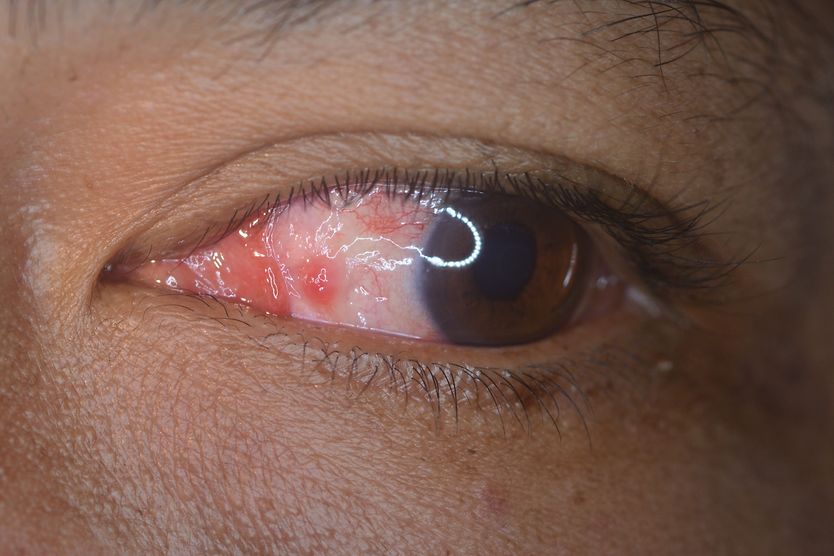
Eye cancer is abnormal cell growth on the surface of the eye, inside the eye, the eyelids or the eye socket. Many cancers can affect vision, like a brain tumor pressing on the optic nerve, but we’ll confine this article to cancers of the eyelids, on the surface to the inside of the eye and eye socket.
Eye cancers fall into two basic categories:
- Primary – The cancer starts in the eye area.
- Secondary – The cancer spreads to the eye area from somewhere else.
It’s tempting to ask: Does eye cancer cause blindness or vision loss? Well, the eye is a complex mechanism. All of its cells have to work together to gather visual information and transmit it to the brain. A cancer attacking eye cells could affect these functions, threatening or even destroying eyesight. A cancer might happen in one eye, leaving good vision in the other.
The risk of blindness or vision loss depends on the variety of the cancer and the effectiveness of the treatment. We’ll cover these points in the rest of this article.
Types of eye cancer
These are some of the most common cancers of the eyeball, eyelid or eye socket:
Ocular melanoma
If you hear about melanoma, it’s usually because somebody has skin cancer. That’s because melanoma attacks the cells that give us skin color. Well, your eyes have color, so they can get melanoma, too. Ocular melanoma is the most common eye cancer in adults. It’s difficult to detect and may not show any symptoms, but your eye doctor can spot it.
Primary intraocular lymphoma
Lymphoma can happen anywhere in the body. If it starts in the eye, it’s called primary intraocular lymphoma. This cancer attacks your white blood cells (also called lymphocytes), which are key weapons in the body’s immune defenses. Primary intraocular lymphoma is more common in the elderly and people with immune system diseases like HIV.
Retinoblastoma
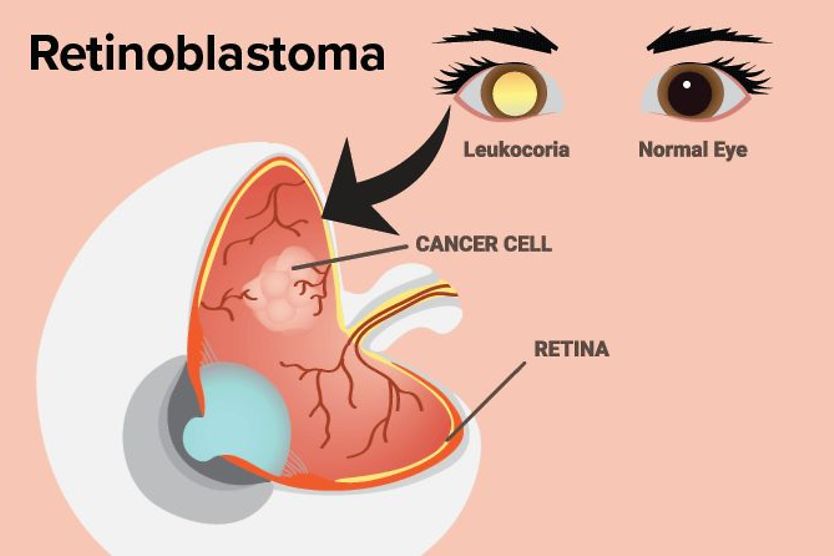
This extremely rare eye cancer can be most common in young children. Retinoblasts are youthful cells that usually stop growing when they form the retina. That's a crucial job because the retina captures light waves that the brain translates into eyesight. With retinoblastoma, cancerous retinoblasts keep growing, forming a tumor on the retina and possibly spreading throughout the body.
Ocular metastases
These cancers spread into the eye area from other parts of the body. Typically, metastatic cancer spreads via the bloodstream. In the eyes, cancer cells may cause trouble in areas like the choroid, which has lots of blood vessels. The choroid is the layer in the back of the eye that is sandwiched between the retina and the sclera (the white part of the eye).
Orbital and adnexal cancers
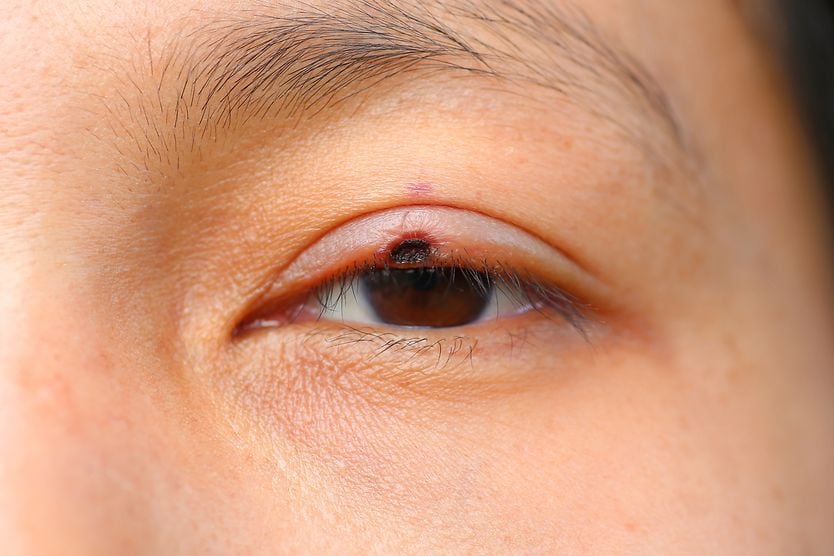
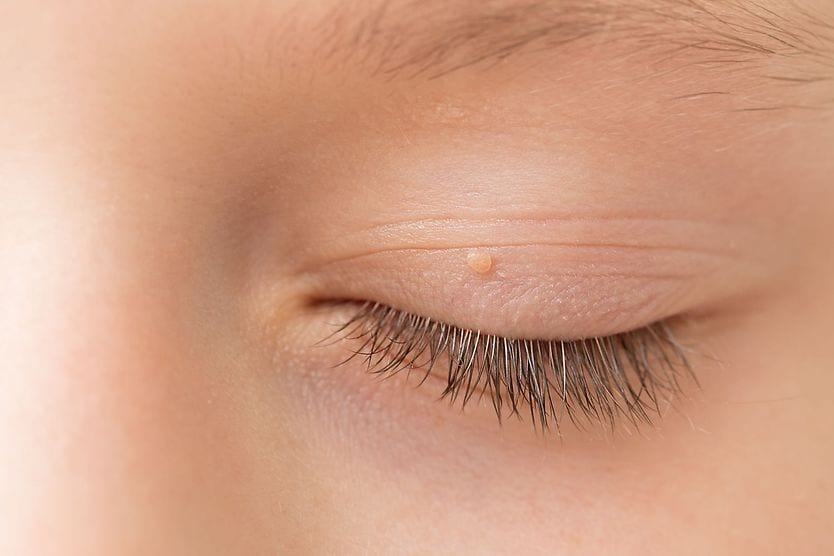
Doctors call the area surrounding the eye the orbit. Hence, orbital cancers attack the tissues, muscles and nerves of the orbit area. Adnexal cancers, by contrast, happen in the eyelids and the tear glands.
SEE RELATED: Orbital pseudotumor
Eye cancer symptoms
These are some of the most common signs of eye cancer:
- Vision troubles – Eye cancer might cause foggy eyesight, sudden loss of vision or a change in your visual field.
- Floaters – As you get older, you’ll start noticing “ floaters,” which are squiggly little lines that roam across your visual field. Eye cancers can trigger floaters.
- Flashes – You could experience flashes of light in your vision.
- Pupil changes – The black spot in the middle of your eye may get larger or out of shape.
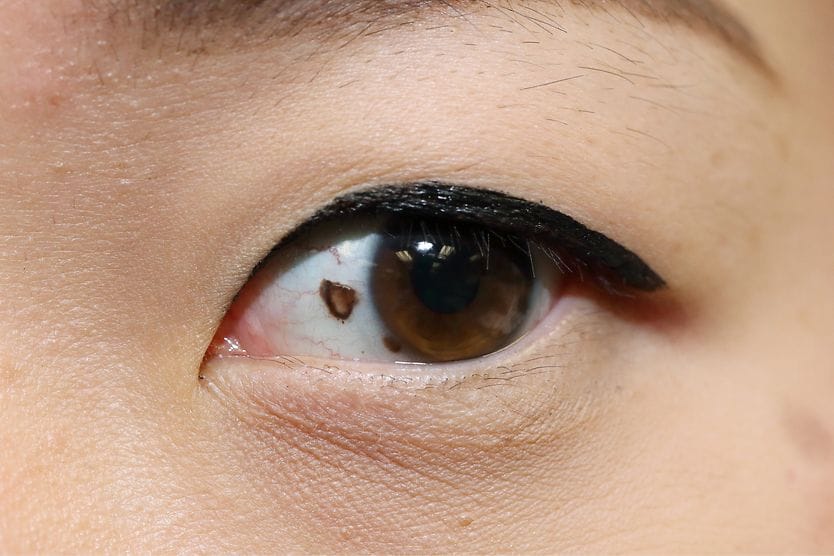
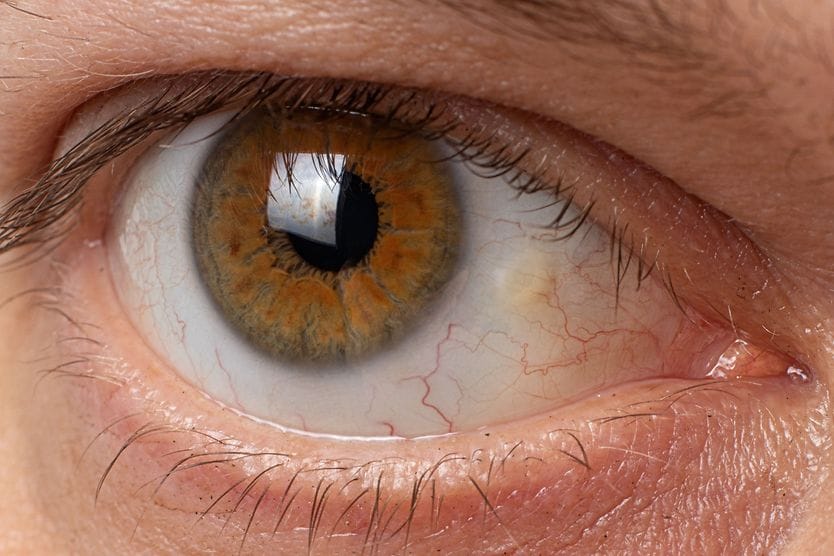
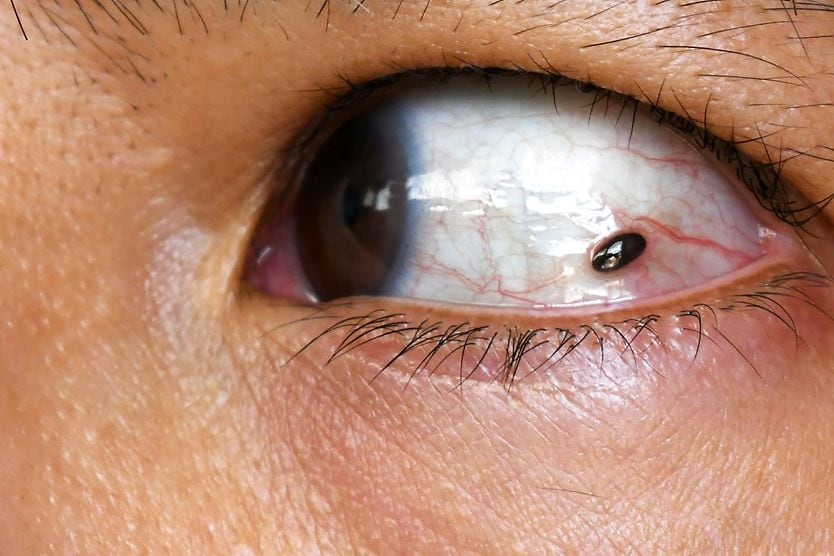
- Iris spots – A tumor in the iris may cause a dark spot to form.
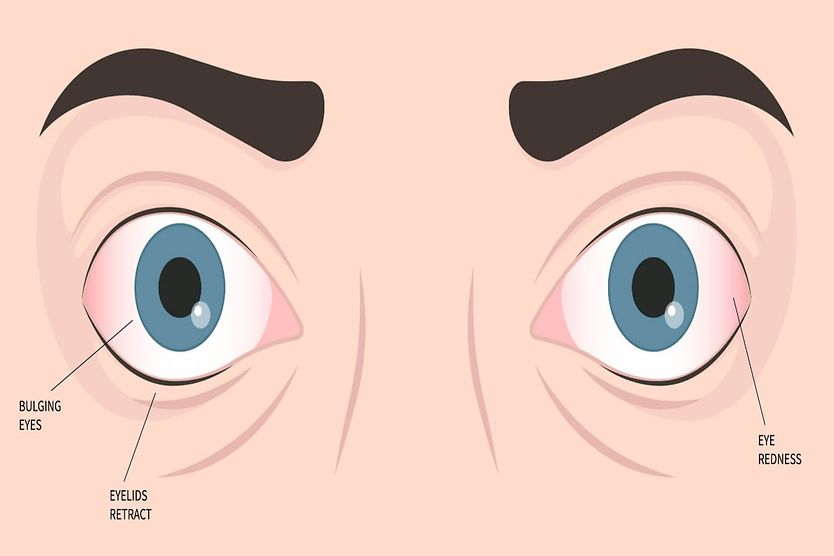
- Movement or position changes – Your eyes may look like they’re bulging or out of position, or they don’t seem to move properly.
Just remember that eye cancer can be rare. Of course, some eye cancers have no noticeable symptoms.
Both of these realities underscore the importance of regular visits to an optometrist or ophthalmologist who can scan your eyes for cancer symptoms you’d never see on your own. They may refer you to an ocular oncologist (a specialized ophthalmologist who diagnoses and treats benign and malignant eye tumors) or an oncologist.
SEE RELATED: Primary Acquired Melanosis (PAM)
Eye cancer treatments
Treatment starts with a series of tests to diagnose the cause of your problems. The first tests use a handheld ophthalmoscope or a slit-lamp device to let a doctor peer deep into your eyes. The next steps may include X-rays, magnetic resonance imaging (MRI) scans or computed tomography (CT) scans. Ultrasounds bounce soundwaves off the eye structures to find tumors and other anomalies.
Blood tests, biopsies and liver function tests might also help eye doctors zero in on the cause of eye cancer.
Treatments for eye cancer can include:
Surgery. A surgeon might remove a section of the iris or another small section of the eye to take out a tumor. In extreme cases, the eye might have to be removed (called enucleation) and parts of the eye socket reconstructed. Surgery has become far less common because other therapies have grown much more effective.
Radiation therapy. High-energy X-ray radiation may kill eye cancer cells. Though this therapy may save some eye function, there’s a risk it might damage eyesight. A treatment called plaque therapy places a small disc of radioactive material on the back of the eye to kill cancer cells. Treatments also use proton and radiation beams to target precise sections of the eye.
Laser therapy. Laser-beam therapies use heat and infrared light to target eye cancers. Lasers may be an option if surgery or radiation are impractical. Laser therapy carries many side-effect risks, so doctors have to use it with extreme care.
Chemotherapy. This therapy distributes a cancer-killing chemical in the bloodstream, which makes it most effective against cancers that have spread throughout the body. Well-known chemo side effects like hair loss, nausea and loss of immunities are likely with eye cancer.
Immunotherapy. Researchers and doctors are teaming up to develop medicines that tweak the immune system to attack cancer cells. These medications have proven to work against melanoma in the skin. It is still not entirely certain if they will work with eye cancer, but a few studies are promising.
Talk to a doctor about your symptoms
It’s important to visit an eye doctor if you suddenly develop the symptoms outlined above. Moreover, regular eye doctor visits can help detect eye cancer early, potentially improving your chances to preserve your vision and prevent the cancer from spreading. As a reminder, they may refer you to an ocular oncologist or an oncologist for further testing and examination.