Cataract symptoms


The many signs and symptoms of cataracts
Cataract symptoms aren't always obvious. They're hardly noticeable at first, but the more a cataract grows, the more it may affect your eyesight. Sometimes, the symptoms can even seem like a different eye problem altogether.
How a cataract causes vision symptoms
There are many different types of cataracts. The most common forms develop as you get older, but they can happen for other reasons, too.
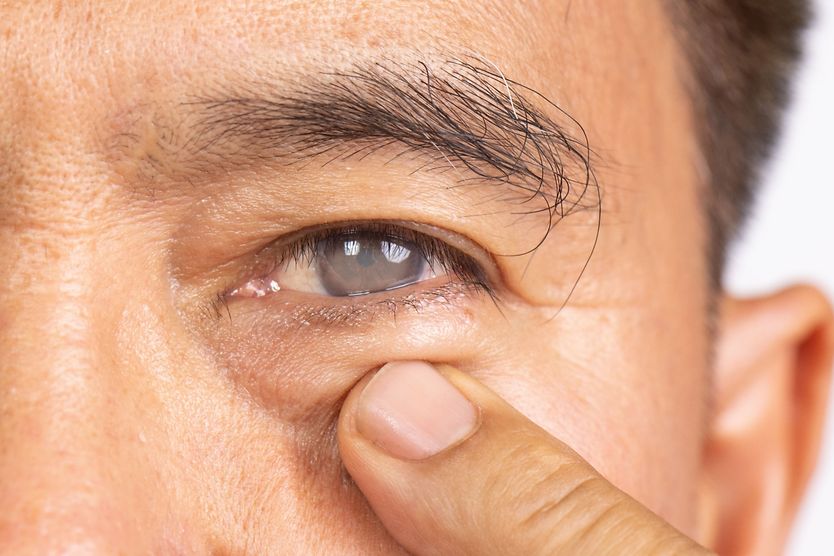
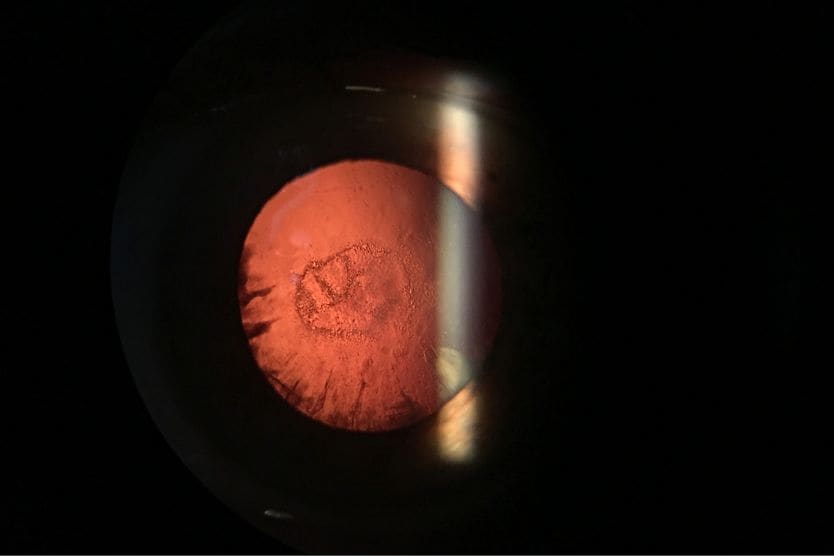
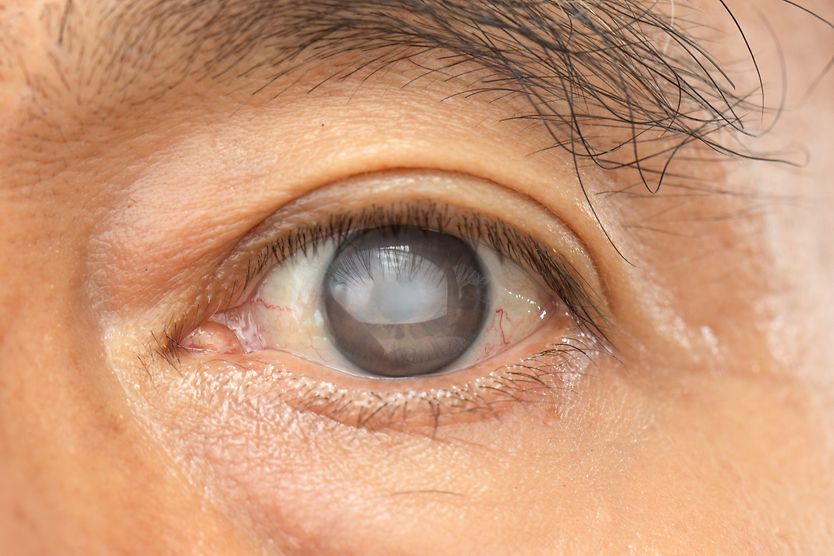
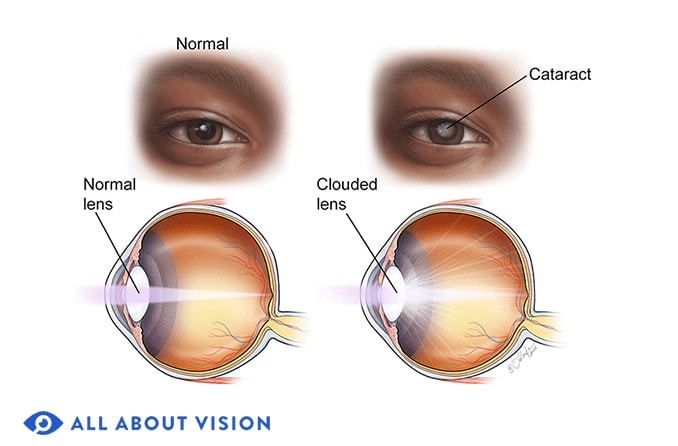
Most age-related cataracts look like cloudy areas on or inside your eye's natural lens. The lens is a flexible, oval-shaped object behind your pupil that helps you focus on things.
Illustrated by Laurie O'Keefe
The lens is supposed to be clear, but cataracts make it cloudier or yellow over time. This clouding can interfere with the way light travels through the eye, making it harder for light to reach the retina clearly. As a result, the images formed on the retina may appear dim, distorted or blurry, often causing foggy or hazy vision.
You can get cataracts in one eye or both. Without treatment, a cataract can block all of your eyesight in the affected eyes. They don’t get better on their own.
Cataract surgery is the only way to treat a cataract. In ophthalmology, it's one of the most common surgeries performed in the United States and is considered safe and effective. Laser surgery options are also available if you are an eligible candidate.
Watch for these common cataract symptoms:
Blurry or cloudy vision
Blurry vision makes objects look fuzzy and out of focus. It's one of the most common signs of cataracts.
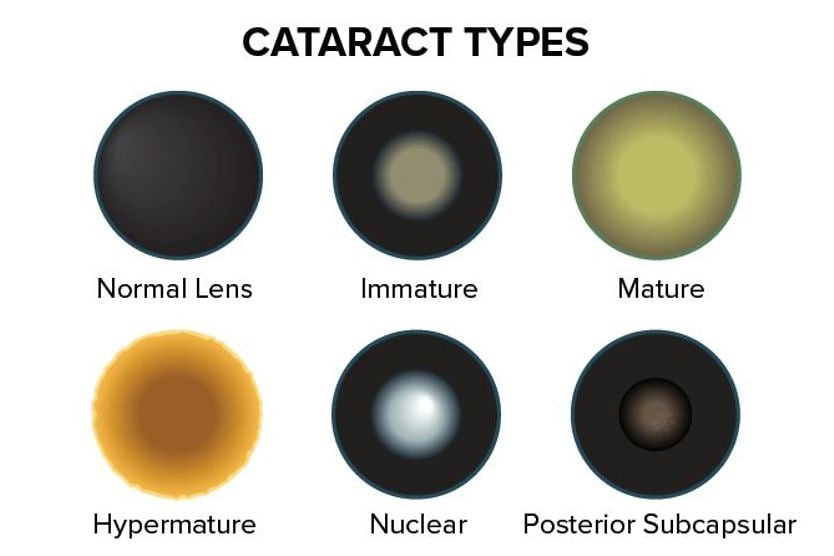
Most cataracts are one of three or four types. They can affect your vision in different ways:

Side by side comparison of normal vision v. vision with cataract
- Nuclear – It's more common for distant objects to look blurry.
- Cortical – Near or distant objects can look blurry.
- Posterior subcapsular – It's more common for near objects to look blurry.
- Congenital cataracts – Present at birth or during infancy. Symptoms can include halos, vision loss, trouble seeing at night and light sensitivity.
Your vision might look cloudy or hazy, too. It can feel like you're looking at the world through a dirty or foggy window.
These symptoms of cataracts can be mild at first, but they'll become more noticeable as your lens gets cloudier.
No matter the type, standard treatment for cataracts that are affecting vision is cataract surgery.
In some cases, “secondary cataracts” can occur after cataract surgery. This isn’t a true cataract, but it can also cause blurry, distorted vision, along with other symptoms, including light sensitivity and trouble reading.
Problems seeing in low light
The cloudiness of a cataract can worsen your contrast sensitivity. That's your natural ability to tell an object apart from a background.
Seeing a dark object against a light background might feel easy. But seeing a dark object against a dark background can feel like a strain, especially if it doesn't have a clear outline.
Your night vision is one example. In low light, you're looking at dark objects against dark backgrounds. That means your eyes need to let in much more light than they would in a bright setting.
A cloudy lens lets in less light and may lower the contrast. This particular cataract symptom can cause problems with night driving or make it harder for you to see unlit objects in a dark room. Some people might feel unsafe and stop driving at night as a result.
READ MORE: How eye doctors test your contrast sensitivity
Less vibrant colors
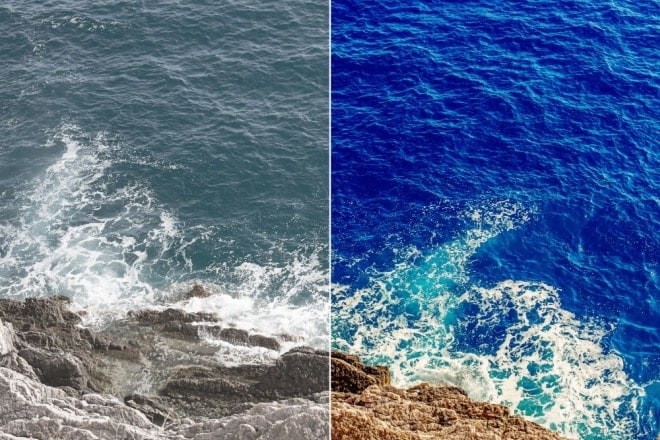
Changes in how you see colors can also be a symptom of cataracts.
Every color you see starts as light coming into your eyes. When the light has to pass through a cloudy lens, once-vibrant colors can look dull, faded or washed out.
In some cases, you might have a hard time telling two or more colors apart.
Yellow-tinted vision
Another common cataract symptom is a brown or yellow tint to your vision. In more advanced cases, it can give everything the sepia-toned look of an old photograph.
The clear center of your lens turns harder and more yellow over time. This is a natural process called nuclear sclerosis. When light passes through the yellowish lens, your vision can look yellow too.
Nuclear sclerosis becomes a nuclear cataract if it gets severe enough. Eventually, it can turn the lens brown, then solid, milky white.
Light sensitivity
A clouded lens changes the way light moves through the eye. This can affect visual clarity, night vision and how we see color, among other things. But many symptoms of cataracts relate to how we actually "see" light.
Cataracts can scatter light inside the eye. This can even make your eyes feel more sensitive to light.
Light sensitivity can feel uncomfortable in sunlight and other bright settings. You might notice that you're wearing sunglasses or shielding your eyes more often than you used to. Sometimes this symptom of cataracts can even feel painful.
Glare
Glare "spreads out" light from a bright object and makes it more distracting.
For example, glare can turn a car headlight into a fuzzy circle that looks much bigger than the headlight itself. Some people also see starburst streaks around lights.
Glare can also make it harder to see the outline of an object in bright light, especially when the light is coming from behind the object.
Glare is a common symptom of cataracts in general. But for people who have cortical cataracts, it is often the most noticeable symptom. Within the lens, the shape of the cortical type looks like a wheel with spokes, and the "spokes" cause light to spread out even more.
Halos around lights
One recognizable type of glare looks like a glowing ring around a headlight, street light or other source of bright light.
Halos around lights can take up large parts of your field of view and distract you from cars, pedestrians and other important objects on the road. The halos may even extend into other objects on the road and block them from view. They can make night driving dangerous if they get severe enough.
Double vision
Some cataracts can make it look like there are two of everything. This is called diplopia (double vision). When the double vision occurs in only one eye, it is known as monocular diplopia. Unlike monocular vision, where a person sees with only one eye, monocular diplopia causes a single eye to perceive multiple images.
In people with cataracts, especially those with posterior subcapsular cataracts, monocular diplopia can happen if the clouded spot on the lens "splits" an image into two. It may also happen if the cataract changes the shape of the lens. This can create an astigmatism within the lens, which can cause double vision.
Double vision isn't as common as many other cataract symptoms. When it does happen, it usually goes away after surgery. It can also go away on its own as a cataract grows.
Better near vision
It may seem strange, but a cataract can actually make parts of your eyesight better for a while.
This "second sight" temporarily makes closer objects look sharper. But it can make distant objects look blurrier, too.
Second sight is a more noticeable cataract symptom in farsighted people because it helps their blurry near vision look sharper.
It can also make reading feel easier for people who use reading glasses. They might even be able to read without any glasses at all. This usually happens in people over 55.
Second sight is temporary, but it can last for months or even years. After that, your vision will get blurry again.
READ MORE: What's the difference between nearsightedness and farsightedness?
More eye prescription changes than usual
Cataracts make your eyesight less sharp as they grow. This can make it feel like you're always in need of a new vision prescription. If newly updated eyeglasses or contact lenses never seem to help your vision for very long, it could be a symptom of cataracts.
While headaches aren't a common symptom of cataracts, frequent prescription changes caused by cataracts can lead to eye strain, discomfort and headaches.
Everything looks normal
A cataract doesn't always cause obvious symptoms. The early signs of cataracts can be so mild that they're invisible to the untrained eye.
This can happen with other eye problems too. Most cataracts aren't usually fast moving, but other eye conditions and diseases can be. That's why it's important to have regular eye exams, even if you have 20/20 vision.
Eye doctors recommend that everyone 6 years and older get at least one eye exam every year.
Certain health conditions, such as diabetes, and medications, such as corticosteroids, can raise your risk of cataracts and other eye diseases. In these cases, your doctor may recommend more frequent eye exams.
READ MORE: How common is cataract surgery?
How to tell if your symptoms are caused by cataracts
You can't feel a cataract, and you probably won't be able to see it in the mirror, especially during the early stages. However, as cataracts progress, they can become dense, even causing black cataracts. This advanced type of cataract can lead to legal blindness if not properly treated.
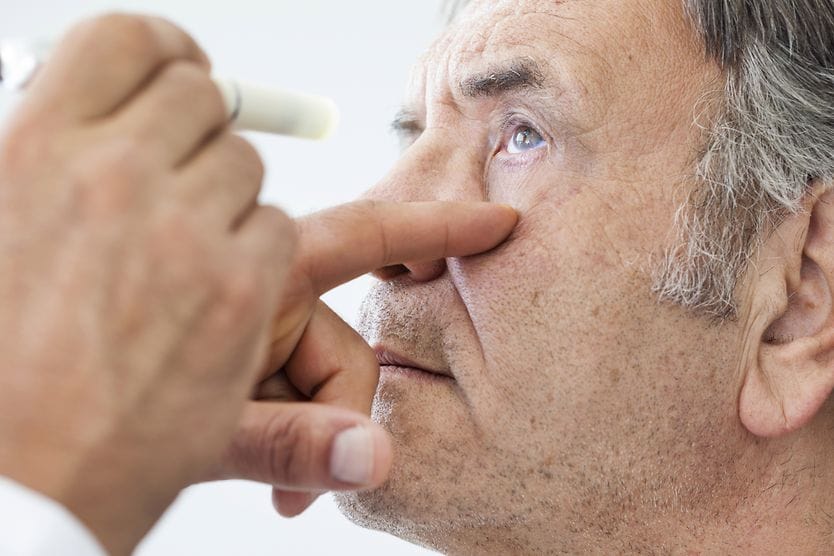
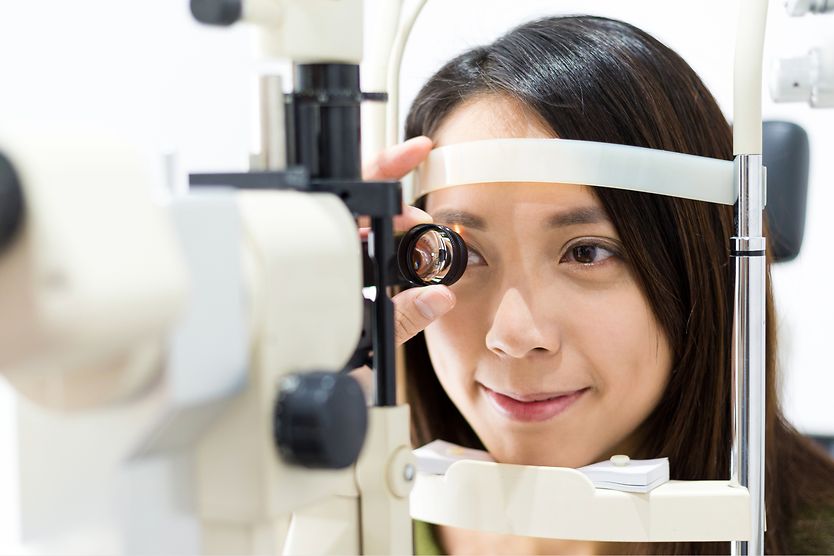
The first step to a diagnosis is a comprehensive eye exam. During the exam, an eye doctor will look at your lens and other parts of your eye. The exam doesn't cause any pain or discomfort.
The doctor may need to use eye drops to dilate your pupils. This will make your vision blurry and your eyes sensitive to light, but the effect will go away after a few hours.
The symptoms of cataracts can resemble other eye and health conditions, too. Your eye doctor can rule out other eye conditions and diseases and help you see clearly again.
SEE RELATED: June is Cataract Awareness Month