Canthoplasty surgery for a larger, almond-shaped eye

What is canthoplasty?
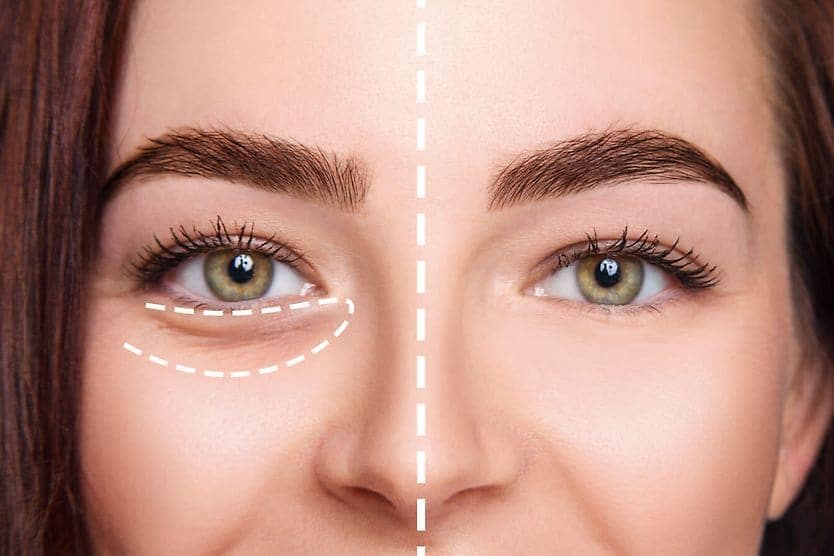
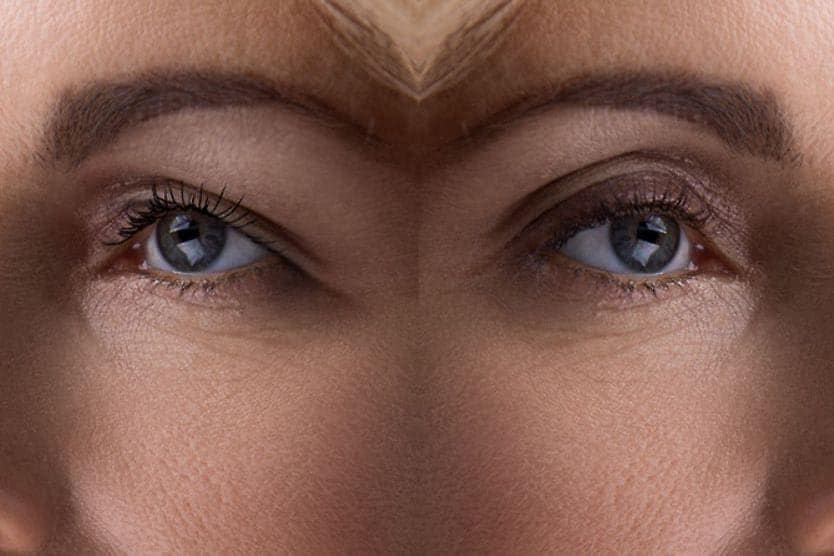
Canthoplasty, also known as "cat eye" lift, is an elective eyelid surgery that can modify the shape and size of the eyes. It reshapes and repositions the upper outer corner of the eye, giving the eye a "cat eye" shape. Canthoplasty has also been referred to as "fox eyes" lift.
The shape of eyelids naturally varies according to age, gender, genetics and ethnicity.
Canthoplasty reshapes the eyelids to appear slanted slightly upward. That slight upward slant is reminiscent of a cat’s eyes, thus the nickname cat eye surgery or cat eye lift.
For those of East Asian decent, the goal is to open the eyes to make the eyes appear larger and brighter.
Canthoplasty may also be helpful if lids droop too much, which can occur with age. It can also correct lower eyelids that are turned outward (called ectropion), resulting in the eye becoming exposed, therefore dry and vulnerable to corneal abrasions and eye infections.
Preparation for a canthoplasty procedure
Canthoplasty is an outpatient procedure that is usually performed with local anesthesia to numb the eye, supplemented by intravenous sedation to relax the patient.
However, you may require general anesthesia if you plan to undergo other cosmetic procedures at the same time.
If you need general anesthesia, you will be given an intravenous (IV) injection that will put you to sleep for the entire procedure, which can last several hours, depending on the complexity of the surgery you have requested.
Before the procedure and particularly if you'll be undergoing general anesthesia, you may be asked to:
- Stop taking any medication that can thin your blood and prevent it from clotting normally. This includes pain relievers such as aspirin and ibuprofen.
- Eat a light meal the evening before your surgery.
- Do not eat or drink anything after midnight.
- On the morning of your procedure, take essential medications — such as those for blood pressure — with a small sip of water.
- Do not wear makeup on the day of surgery.
- Make sure someone is available to transport you home and stay with you for the first few hours after surgery.
What happens during a canthoplasty procedure?
Procedures are typically performed in a clinic or at your doctor's office. The surgeon will evaluate the eye and take several measurements. They will then make several small incisions in order to temporarily detach a tendon that is called the lateral canthal tendon. This tendon is a band of dense connective tissue that is the primary support structure for the lower eyelid. The muscle that opens and closes the eye also helps support it.
The lateral canthus is the point where your upper and lower eyelids form a horizontal “v” shape.
The surgeon will shorten and reattach the tendon, leading to the desired cat eye appearance. The entire procedure usually takes one to two hours.
After the procedure is completed and the incisions are closed and stitched, the eye will then be covered with a dressing to protect it from infection and reduce swelling.
How long does it take to recover from canthoplasty?
Recovery from canthoplasty usually takes about a week to ten days. During that time bruising and swelling will typically slowly diminish.
Your surgeon will usually prescribe oral antibiotics and eye ointment, as well as eye drops. Minor redness and swelling may take several more weeks to completely disappear.
Often, the sutures used for your procedure will dissolve on their own in four to seven days, and you will not need to have them removed. If non-dissolving sutures are used, then your surgeon will typically remove them about a week after the procedure.
Both types of sutures usually give the same end result. By one month, swelling typically subsides. You will be asked to wait about a month so that eyes are fully healed before going into a sauna, swimming pool or wearing contact lenses.
While the actual incision line may appear slightly red for a few months, it can often be concealed with a bit of makeup.
Call your surgeon immediately if you have symptoms such as severe pain or a change in vision following a procedure.
How much does canthoplasty cost?
The cost of canthoplasty will depend on the surgeon, the geographic area of the country you live in and the specific procedure required for your eyes. It will also depend on whether you will be having other cosmetic procedures at the same time.
This average cost is only part of the total price — it does not include anesthesia, operating room facilities or other related expenses. It is recommended to consult with your plastic surgeon's office to determine your final cost.
Health insurance will typically not cover cosmetic canthoplasty, unless your canthoplasty is done to correct a medical condition.
What are the possible complications of canthoplasty?
Canthoplasty risks are often the same as for most cosmetic surgery procedures. These could include infection and excessive bleeding.
Another risk is a poorly performed procedure that leads to asymmetry between the two eyes.
What is the difference between canthoplasty and blepharoplasty?
Canthoplasty is distinct from blepharoplasty, often called an eyelift. Blepharoplasty removes excess skin from the lower or upper eyelid without modifying the shape or size of the eye. A canthoplasty is sometimes performed along with blepharoplasty.
Sometimes canthoplasty is performed to correct a lower lid position caused by trauma or by undesired results from a blepharoplasty. And canthoplasty may also be performed to complement cosmetic procedures such as a brow lift or mid-face lift.
What is the difference between canthoplasty and canthopexy?
Canthopexy does not require cutting or detaching the muscles or lateral canthal tendon. A canthopexy repositions the outside corner of the eye where the eyelids meet.
It is often paired with blepharoplasty. Unlike canthoplasty, it will not actually lift the eye or give it the slanted shape.
What should I look for in a surgeon?
It is important to choose an oculoplastic or plastic surgeon with experience in the specific procedure you are interested in. This could help reduce the risk of complications and increase the chances of a positive result.
It is also recommended to check for any board certification from plastic or ophthalmology surgeon professional associations.