Over-the-counter (OTC) dry eye drops
There are two main types of over-the-counter eye drops for dry eyes: moisturizing artificial tears and lubricating gel drops.
Liquid artificial tears are exactly what they sound like — a method of adding moisture to the eyes that mimics natural tears. They’re usually designed to be used more often throughout the day, but with a shorter effect. Liquid eye drops tend to be better for people with mild to moderate dryness.
Gel lubricating drops are also artificial tears, but they focus more on lubrication. The drops add a thicker gel-like film to the surface of the eye to mirror the natural oils in our tears. While the effects last longer than liquid drops, the gel layer can temporarily blur your vision while it settles. People with more severe cases of dry eye tend to prefer these products.
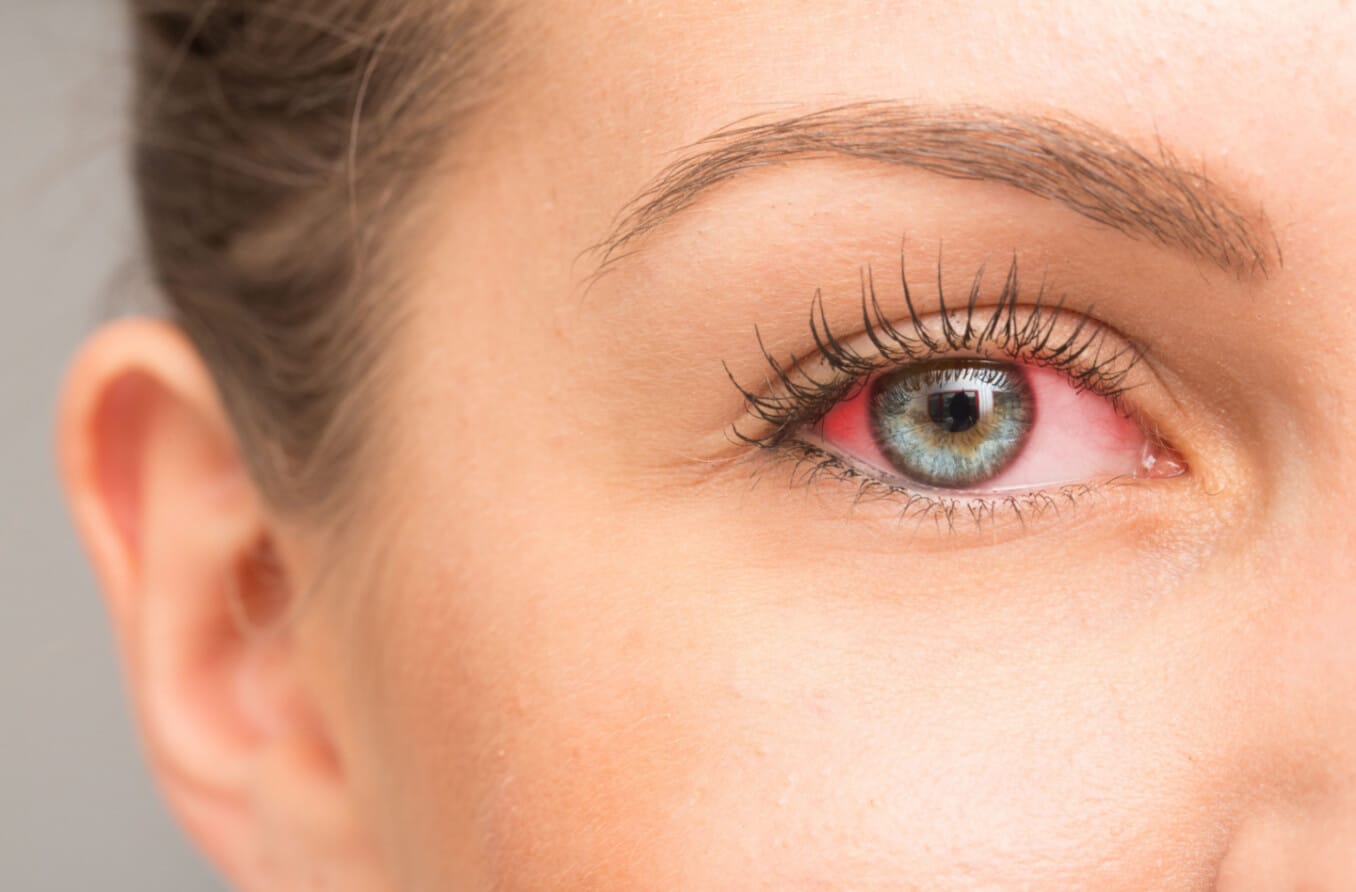
Redness relief eye drops are also available. While they can help with dryness, their main focus is to shrink the blood vessels near the eye’s surface to reduce redness. However, it’s important to stay mindful of the “rebound effect” of redness relieving eye drops. Harvard Medical School recommends treating red eyes with standard artificial tears — or simply waiting for redness to go away on its own. Speak with your eye doctor if you aren’t sure what’s causing eye redness, dryness or other irritation.
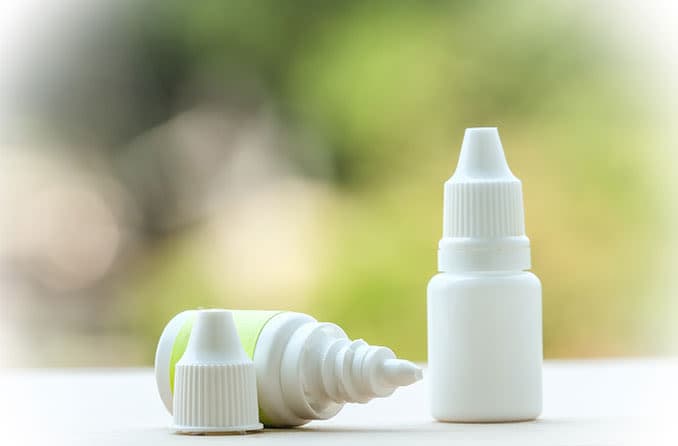
Many major brands produce dry eye drops that are available for purchase at supermarkets or drug stores across the country. They can come in bottles or packs of single-use vials.
Some of the most popular over-the-counter drops recommended by eye doctors include:
TheraTears
Type: Liquid artificial tears
Expect to pay: About $8 to $10 for a 15mL bottle
TheraTears is one of the most popular eye drops for frequent use. It could be a good option for people who are sensitive to preservatives, since it uses a special chemical that dissolves on contact.
Refresh Tears
Type: Liquid artificial tears
Expect to pay: About $9 to $12 for a 15mL bottle
Refresh Tears are used for short-term relief of dry eye symptoms like irritation, burning and overall discomfort. Like other artificial tears, they are specially formulated to replicate the effect of your natural tears.
Blink GelTears
Type: Gel lubricating drops
Expect to pay: About $8 to $12 for a 10mL bottle
Blink GelTears provide a “thicker, more viscous lubricating formula” to help daytime and nighttime dryness. The gel version is labeled for moderate to severe dry eye, while mild to moderate cases are directed toward non-gel drops called Blink Tears.
Systane Gel Drops
Type: Gel lubricating drops
Expect to pay: About $10 to $14 for a 10mL bottle
Systane Gel Drops use their thickest formula to “create a protective shield over the eyes” for longer periods of time. Systane also offers similar gel drops specifically for nighttime use.
SEE RELATED: The best contact lenses for dry eyes