


Stroke & Vision Loss
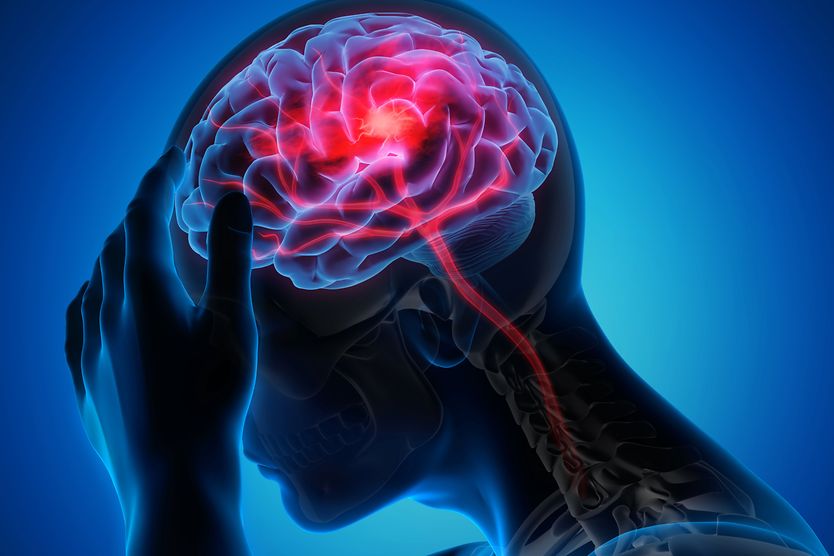
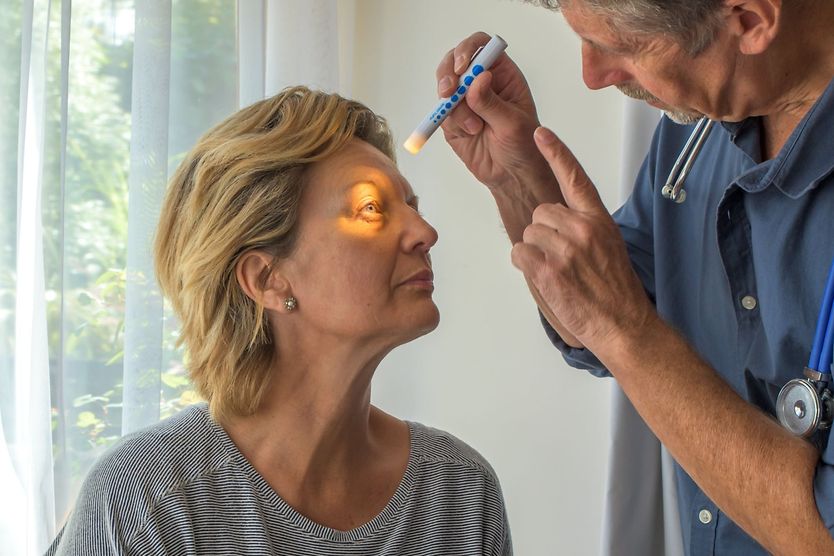
A stroke can affect vision and how the brain processes visual information. Explore the connection between a stroke and vision loss, including common symptoms and management strategies.





All About Vision and AllAboutVision.com are registered trademarks of Essilor Laboratories of America, Inc © 2000-2026 Essilor Laboratories of America, Inc. The content on this site is for informational purposes only. All About Vision does not provide medical advice, diagnosis or treatment. Contact an eye doctor if you need medical attention.

