May is National Stroke Awareness Month


History of National Stroke Awareness Month
National Stroke Awareness Month is observed in May every year in the United States to promote public awareness about the warning signs, symptoms, prevention methods and effects of stroke.
In May 1989, President George H. W. Bush signed Proclamation 5975, marking the first official observance of National Stroke Awareness Month in the U.S.
Health care providers and various organizations around the country join forces to increase stroke awareness. They spread the message that many strokes can be prevented by managing health conditions, such as high blood pressure, and making lifestyle modifications.
This month also honors and celebrates developments in stroke research. It recognizes the remarkable work of doctors and scientists in developing medications and innovative medical device technologies to reduce disability after a stroke.
What is a stroke?
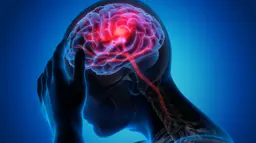
A stroke is a medical emergency that happens when blood flow to the brain is blocked or restricted, preventing oxygen and nutrients from reaching it. It is crucial to seek immediate medical care to reduce the risk of permanent brain injury and other complications from a stroke.
Warning signs of stroke
The main symptoms of a stroke can be remembered by the letters in the phrase BE FAST:
- Balance loss – Difficulty with coordination or walking, or feeling dizzy or off balance
- Eye and vision issues – Difficulty seeing in one or both eyes, or experiencing double vision
- Face drooping – Drooping face or eyelid, or the inability to smile
- Arm weakness – Arm weakness or numbness, or the inability to keep both arms lifted
- Speech difficulty – Slurred, unclear speech, or the inability to talk
- Time – Time to call 911 immediately
Additional stroke symptoms to watch for include:
- Confusion
- Severe headache
What to do if you suspect a stroke
Immediately dial 9-1-1 if you suspect that you or someone else is experiencing a stroke.
It is important not to drive yourself to the hospital but to call an ambulance so medical professionals can begin treating the stroke immediately. During a stroke, the earlier you receive treatment, the higher your chances of recovery.
Stroke causes and types
A stroke can have different causes and can occur in different areas of the brain. Because a stroke limits the amount of blood reaching an area in the brain, it can damage the brain tissue and may result in disability.
Causes and types of stroke include:
Blockage
A stroke can be caused by a blockage of an artery, which results in too little blood flow to the part of the brain that the blood vessel supplies.
Burst blood vessel
A stroke can also be caused by bleeding from a damaged or ruptured blood vessel, leading to damage to the part of the brain that the blood vessel supplies.
Transient ischemic attack
A transient ischemic attack (TIA) is a stroke-like episode. It is also sometimes referred to as a “mini-stroke” because the symptoms are the same as a stroke, but because the artery blockage clears after a short time, the symptoms do not last as long.
It is crucial to seek immediate medical attention after a TIA, even if the symptoms disappear after a few hours. A TIA can be a warning sign that a stroke may occur in the near future. One-third of individuals who have a TIA will experience a stroke within a year.
Eye stroke
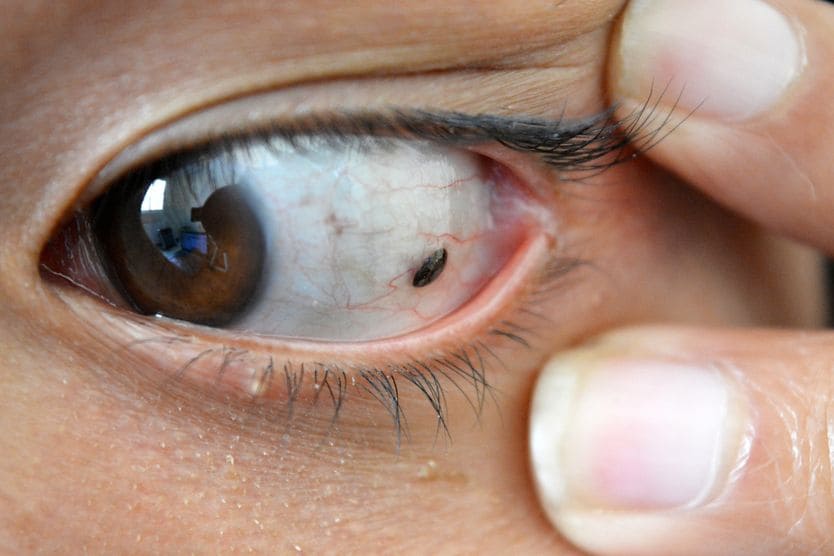
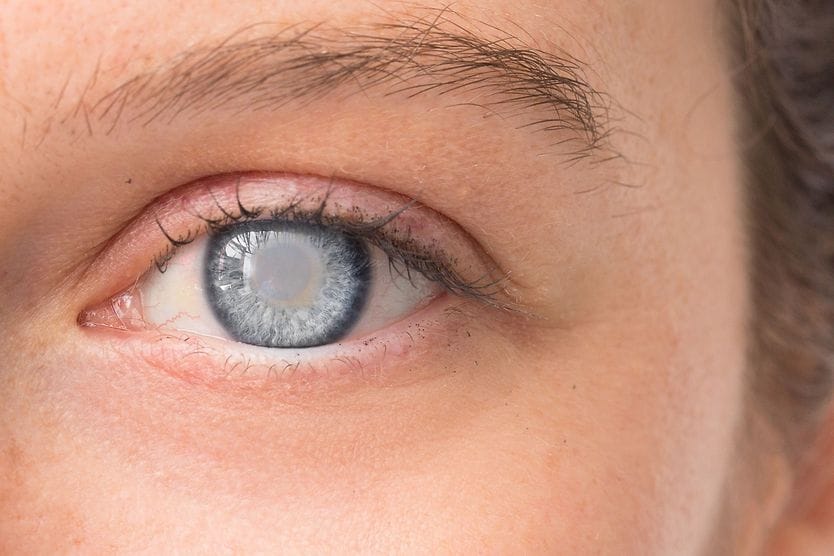
An eye stroke occurs when an artery that supplies blood to the retina is blocked, often by a blood clot. The medical term for this condition is a branch retinal artery occlusion (BRAO) or a central retinal artery occlusion (CRAO).
An eye stroke is a medical emergency that requires immediate attention. The retina is the part of your eye that turns light into electrical signals for the brain to process as images. Too little blood flow to the retina can cause damage, leading to vision loss.
Eye strokes do not usually cause pain. Symptoms of eye strokes include:
- Sudden (painless) vision loss or partial vision loss in one eye
- Floaters and flashes
- Blind spots (scotomas) or areas of dark spots
- Blurry vision
- Vision changes that worsen over time
Ischemic optic neuropathy (ION) is considered a type of eye stroke.
Tips for reducing your risk of a stroke or eye stroke
You can reduce your risk of a stroke or eye stroke by managing medical conditions and leading a healthy lifestyle.
Certain conditions can increase your risk, including:
- High blood pressure (hypertension)
- Heart disease
- High cholesterol
- Diabetes
Lifestyle changes that can reduce your risk include:
- Not smoking
- Exercising
- Eating healthy
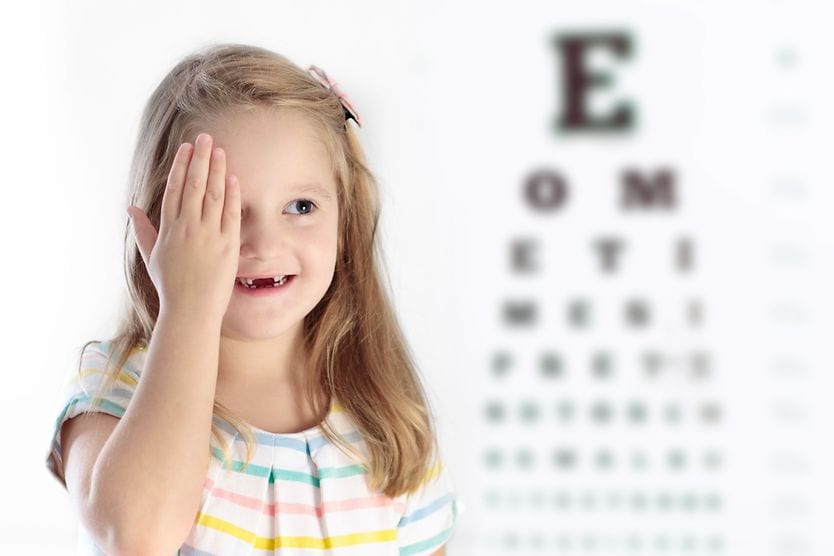
Schedule an eye exam this month
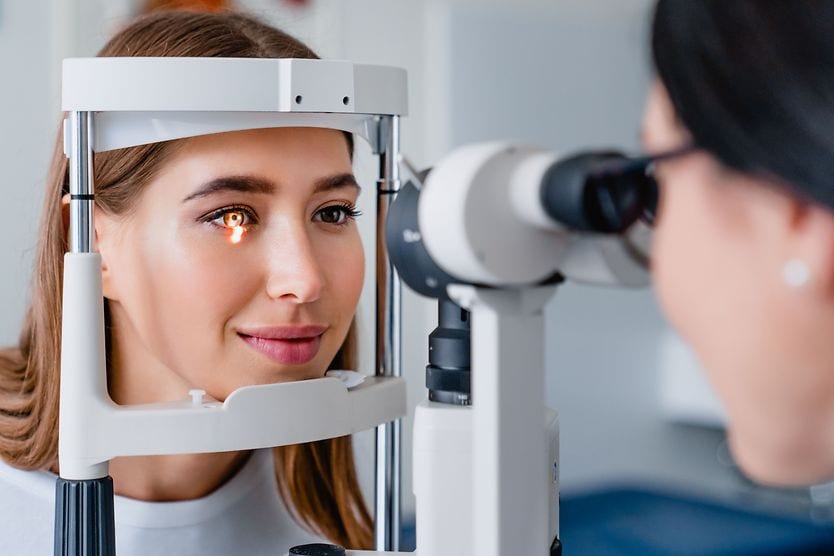
As part of your stroke prevention toolkit, schedule an eye exam with your local eye doctor. Risk factors for heart disease like high blood pressure, diabetes and high cholesterol can be detected early during a comprehensive eye exam. Your eye doctor may even be the first to detect if you’re at risk for a stroke.
This May, during National Stroke Awareness Month, encourage your friends and family to be aware of the warning signs and symptoms of stroke and motivate them to make lifestyle changes to reduce their risk. If you have any concerns about stroke or eye stroke, speak to your primary care doctor, health care specialists such as cardiologists and neurologists, and your eye doctor so they can help guide you.
READ NEXT: What your eye doctor can tell about your heart health