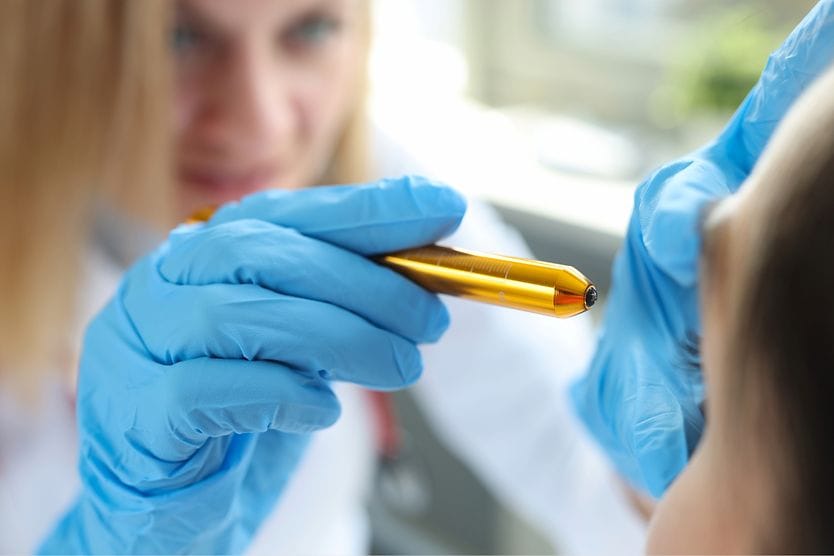
Adie’s tonic pupil is a neurological condition that causes the pupils to react to light differently in one eye than the other.
Argyll Robertson (AR) pupil is a condition causing small pupils and light–near dissociation. Learn about the causes, diagnosis and treatment of AR pupil.
Blown pupils are fixed, dilated pupils that do not react to light. They are caused by issues with the brain or certain chemical exposure.
Polycoria — having multiple pupils — is so rare that most eye doctors never see a case. Here are the causes of and treatment for the eye condition.
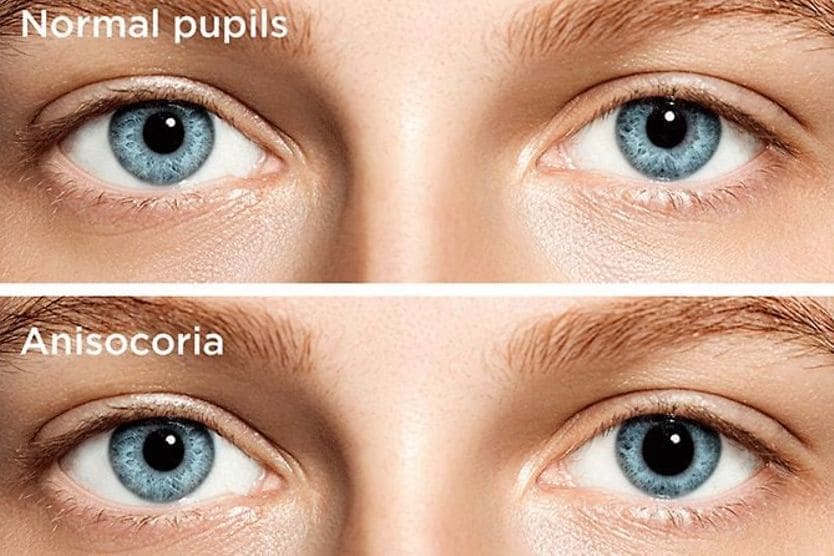
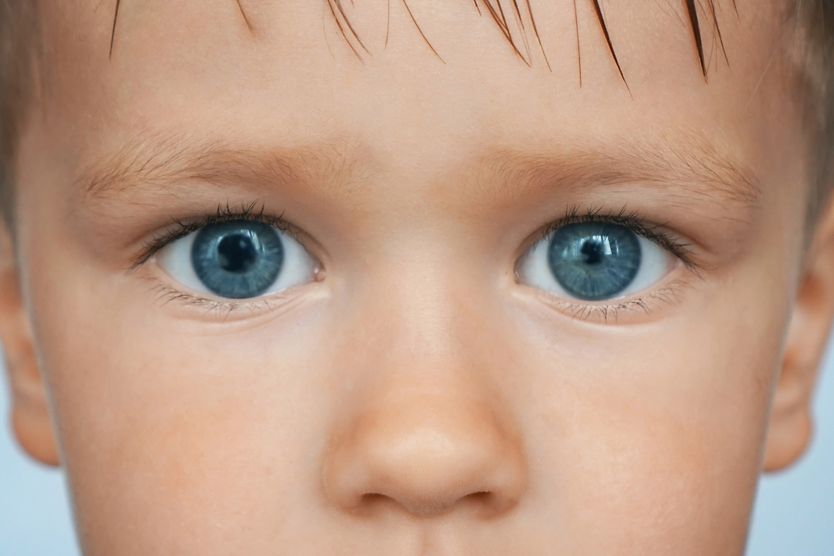
Anisocoria (unequal pupil sizes) can be harmless, but it can also signal a serious medical issue. Learn about its causes and when to seek medical care.
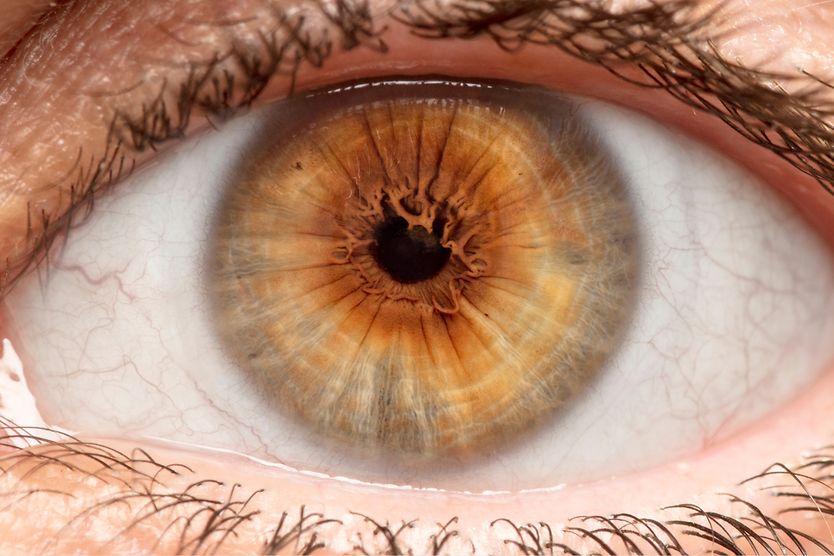
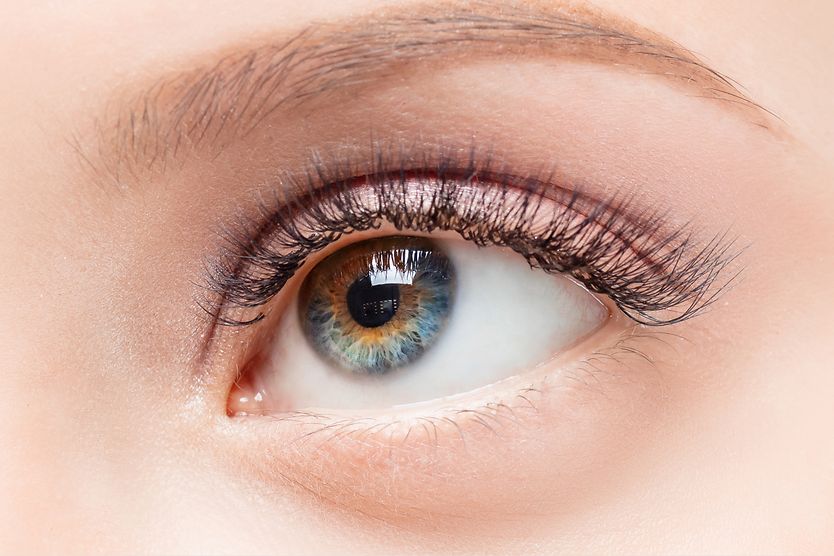
Central heterochromia causes the inner and outer rings of your iris to be different colors. Learn what causes central heterochromia.
Heterochromia describes when a person's eyes aren't the same color. Find out about the different types of heterochromia and what causes it to occur.
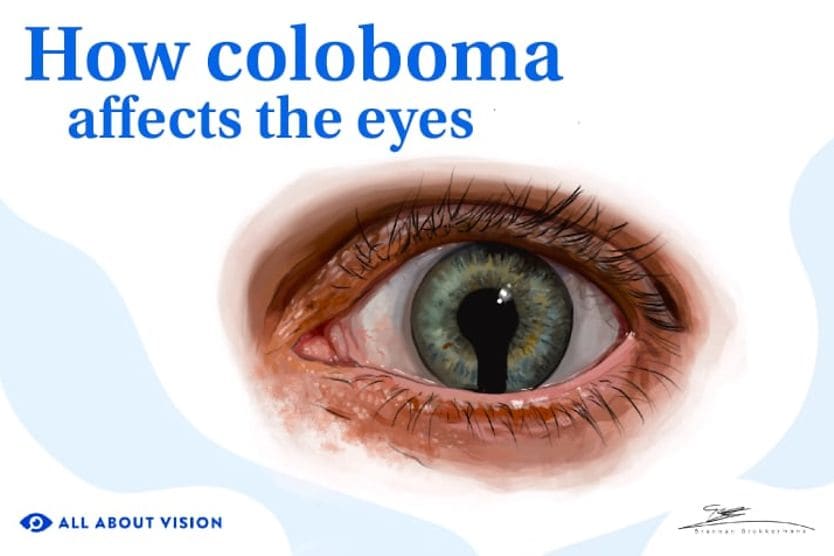
Learn about coloboma, a condition that causes missing tissue in different eye structures. Find out how it affects vision and how to manage its effects.
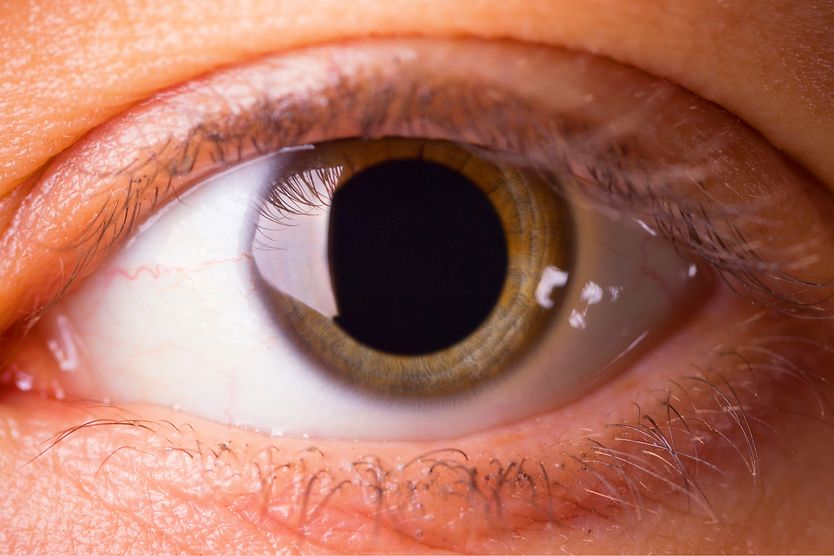
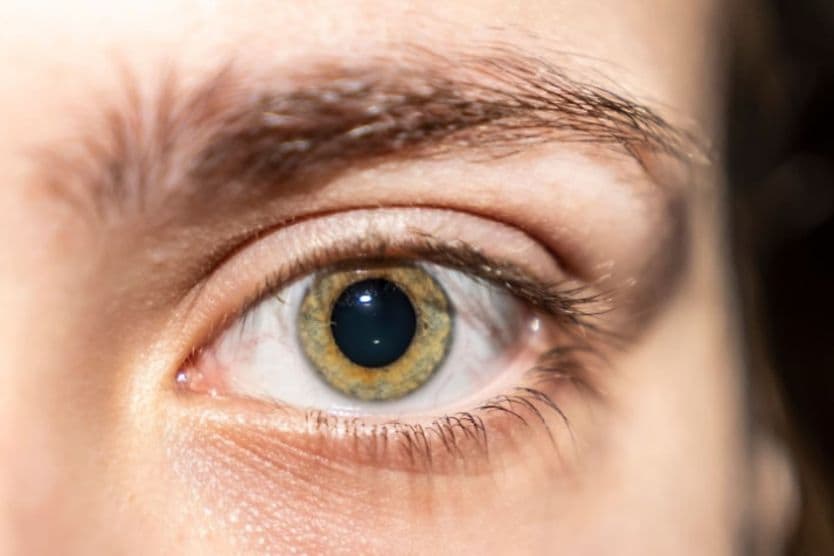
Learn about mydriasis, a dilated pupil that is unresponsive to light. Discover medications, injuries and conditions that cause it and learn how to treat it.
Setting sun eyes are often associated with conditions that cause elevated intracranial pressure, which can affect eye movements.