When should you worry about an eye twitch?


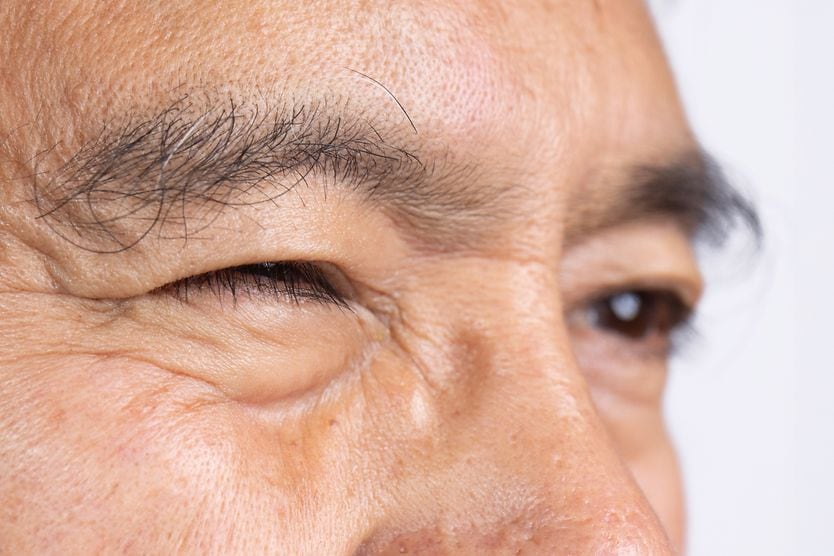
It’s not uncommon to experience an occasional eye twitch. Though the tiny spasm in your eyelid may be annoying, it’s typically harmless and may resolve on its own after a few days.
An eye twitch is often triggered by an increase in caffeine consumption, stress or eye strain, making eye twitching treatment rather simple in many cases — reducing or removing the trigger. However, there are certain circumstances where a twitchy eye may be caused by something more serious than too much coffee.
When to worry about eye twitching
If you experience any of the symptoms below in addition to an eye twitch (or in regard to your twitch), it is recommended to call 911 and seek immediate medical attention at an emergency facility:
- Light sensitivity
- Abnormal eye redness , swelling or discharge
- Eyelid drooping
- Twitching that persists longer than a week and does not respond to recommended lifestyle changes
- Each twitch is severe enough to cause the eye to close
- Twitching that becomes stronger and/or more frequent over time
- Other parts of the face and/or body are also twitching
- Difficulty opening the affected eye
- Numbness or difficulty moving or speaking
These symptoms, especially if severe, could indicate an underlying neurological problem. The sooner you are assessed properly, the sooner treatment can be administered.
SEE RELATED: Hemifacial Spasms
Conditions that can cause an eye twitch
Though rare — and if present alongside other symptoms — it is possible for an eye twitch to be a sign of a more serious condition, such as:
Dystonia — Movement disorder that causes involuntary muscle contractions. Types include cervical dystonia, which affects neck muscles; and blepharospasm, a form of focal dystonia, which can cause eye or eyebrow twitching.
Tourette syndrome — Condition that produces repetitive, uncontrolled muscular or vocal tics. Tics often present themselves starting in childhood or adolescence (between 2 and 15 years of age).
Bell’s palsy — Sudden, often temporary, weakness of the facial muscles that make half the face appear to droop. Symptoms of Bell's palsy typically improve within a few weeks, though some people may experience them for life.
Parkinson’s disease — Condition of the nervous system that affects movement, with symptoms that may include stiffness, tremors and balance issues. Symptoms of Parkinson's disease may start mild and progress over time.
Multiple sclerosis — Neurological disease where an individual’s immune system attacks and deteriorates the protective outer layer of nerves. Multiple sclerosis inhibits the brain’s ability to communicate with the rest of the body.
If you experience an eye twitch with any of the other symptoms listed here, it’s critical that you consult a medical professional for proper examination and diagnosis.
The optimal way to detect conditions early and keep your eyes healthy is to have regular comprehensive eye exams and reach out to your eye doctor promptly if you have any sudden or dramatic changes in your vision.
READ MORE: Is eye twitching a sign of stroke?
*Note: This article is strictly meant to provide information. It should not be used to diagnose any conditions. *