Eye twitching during pregnancy
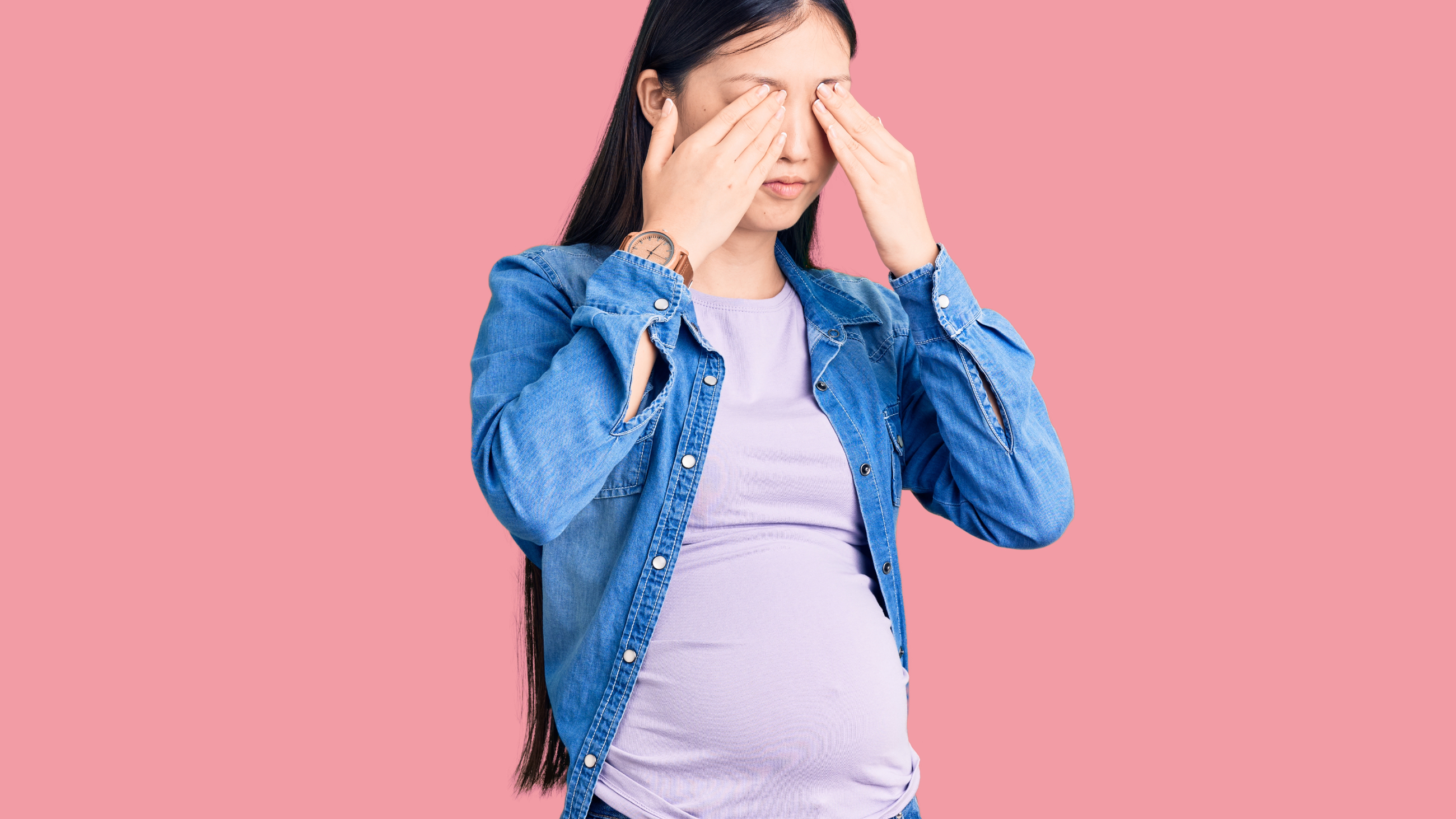

Eye twitching is common during pregnancy and is typically harmless and temporary. Pregnancy can be a highly stressful time, and stress is the most common cause of eye twitching. Certain vitamin and mineral deficiencies as well as fatigue experienced as a result of pregnancy can also lead to eye twitching.
Though pregnancy-related eye twitching is often mild, in rare cases, eye spasms that are more intense could be a sign of a significant underlying condition. If eye twitching persists or interferes with vision, treatment may be needed, though adjusting some common habits is usually enough to help reduce eye twitching.
Eye twitching and pregnancy: Causes and treatment
There are several circumstances and behaviors that may link eye twitching and pregnancy, from stress and fatigue to caffeine intake.
Eye twitching during pregnancy can often be avoided or treated by changing daily habits, like following healthy sleep patterns and diet choices.
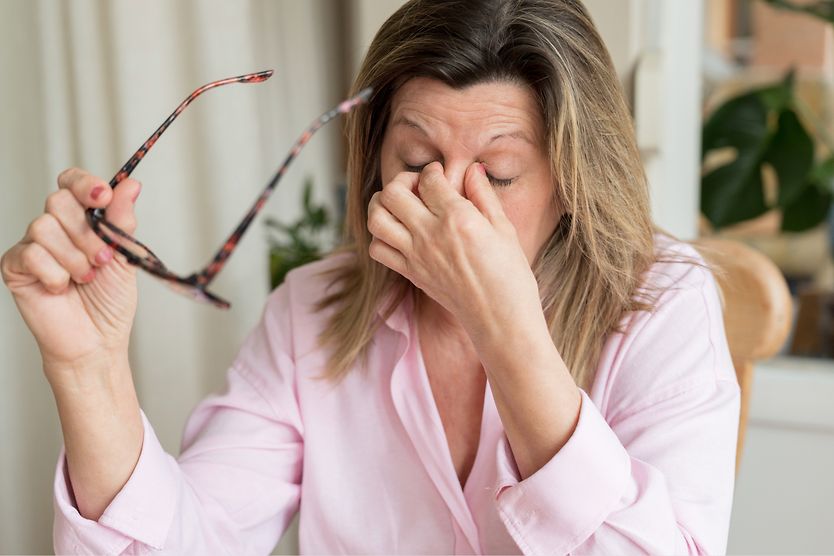
Fatigue
Tiredness is often expected during pregnancy for various reasons, including discomfort, hormonal changes and difficulty sleeping — just to name a few. Eye twitching may occur as a result of fatigue and can typically be managed by getting more rest.
Try to ensure you are getting enough rest, and incorporate naps into your daily routine as needed. Meditation can help ease your body into rest, but talk to your doctor if you’re having trouble getting to sleep.
Stress
Like fatigue, stress can be brought on by both emotional and physical changes, as well as hormonal. Stress affects the nervous system and may trigger eye twitching. This can occur at any stage of pregnancy.
Light exercise such as walking may help relieve stress. Self-care activities like journaling, meditation and prenatal yoga are also common ways to reduce stress and help decrease eye twitching.
Dry eyes/eye strain
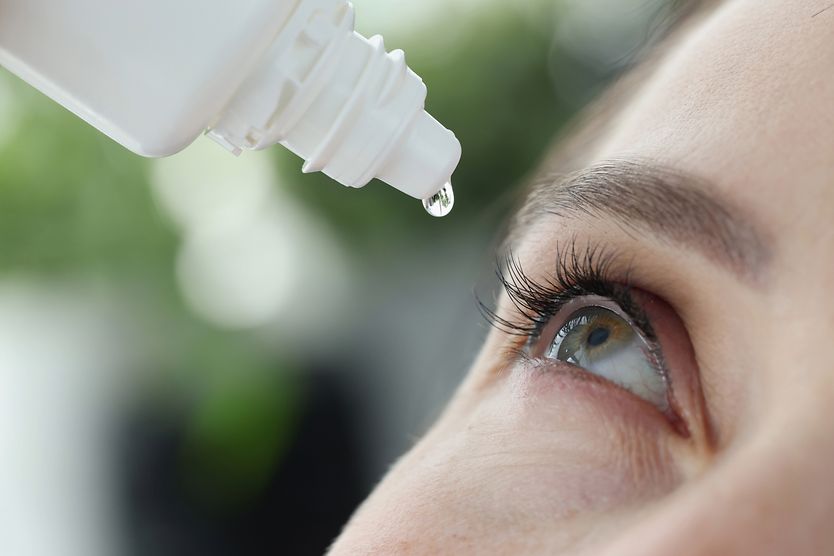
Changes in hormone levels during pregnancy can cause dry eyes, which may become even more prevalent if you spend excessive amounts of time looking at digital screens. Dry eyes and/or eye strain can cause eyes to twitch as well.
Ask your eye doctor about over-the-counter natural tears for dry eyes. Reduce time in front of screens when possible to help enhance your eye comfort.
SEE RELATED: Pregnancy can cause dry eyes and other vision changes
Vitamin and mineral deficiency
Keeping the body’s levels of vitamins and minerals is crucial, especially during pregnancy. Vitamins and minerals such as iron, folic acid, potassium, calcium and magnesium specifically help to regulate muscle contractions, and if levels of these vital nutrients are imbalanced, eye twitching or spasms are more likely to occur.
Take prenatal vitamins as recommended by your doctor and consider incorporating foods rich in magnesium (nuts and avocados), potassium (bananas) and calcium (leafy greens) into your diet.
Caffeine
It is typically okay to have caffeine in moderation during pregnancy, but too much caffeine could trigger involuntary eye spasms and twitching. Be sure to talk to your doctor about how much caffeine is acceptable for a healthy pregnancy.
Consider cutting back on caffeine and stay hydrated by drinking plenty of water. If you drink coffee or tea regularly, try to balance your intake by drinking additional glasses of water.
Medications
Some medications affect the nerves, which can trigger eye spasms. This is more common in the first trimester of pregnancy, though it could happen in the later months of pregnancy as well.
Tell your doctor about any side effects you experience, especially if they are severe. Your doctor can determine if and how your treatment plan with a certain medication should be adjusted.
Vision changes
It is common to experience minor changes in vision during pregnancy — especially when it comes to blurry vision and light sensitivity. These changes may also cause eye twitching.
Though most cases of vision change during pregnancy are temporary, an underlying cause such as gestational diabetes or preeclampsia (due to high blood pressure) could be present.
Report symptoms to your health care provider and see an eye doctor if the changes are affecting your visual acuity.
SEE RELATED: Eye twitching treatment
When to see a doctor for eye twitching during pregnancy
While eye twitching may be common during pregnancy and is usually mild and temporary, if you experience severe spasms or if spasms lead to further issues such as fever, pain, eyelid drooping or vision obstruction, contact your doctor. More extreme side effects can be a sign of a significant underlying condition.
Ask your doctor about healthy levels of caffeine, vitamins and minerals, as these levels can differ from patient to patient. It may be necessary to adjust your diet and various daily routines to decrease eye twitching. Doing so may allow for a more comfortable experience.