Do cheap sunglasses protect your eyes as well as the expensive brands?
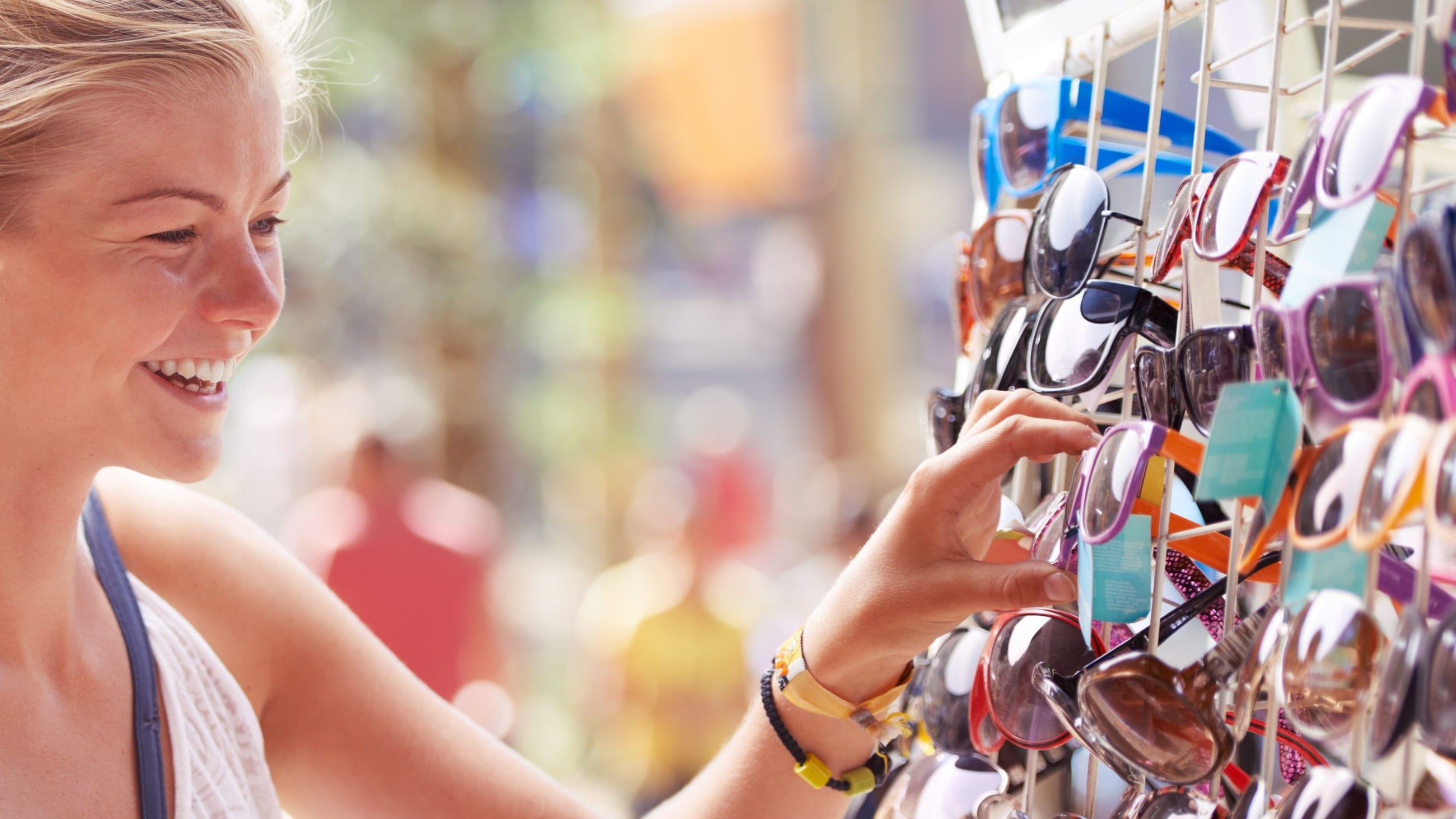
What exactly are you paying for when you purchase name-brand sunglasses? Is it additional protection from ultraviolet (UV) radiation? Do prescription sunglasses provide more UV protection than non-prescription pairs? Do cheap sunglasses offer any UV protection at all?
Let’s explore the answers to these frequently asked questions:
Does every pair of sunglasses have UV protection?
Not every pair of sunglasses offers the same level of protection from the sun.
However, the price tag isn’t necessarily a red flag for improper UV protection.
That being said, cheap sunglasses usually do offer some kind of UV protection — it’s just a matter of how much.
How do I know if my sunglasses provide UV protection?
If you already have sunglasses and aren’t sure what level of UV protection they provide, take them to your local optical shop and ask to have them tested in a photometer. The test may take less than a minute.
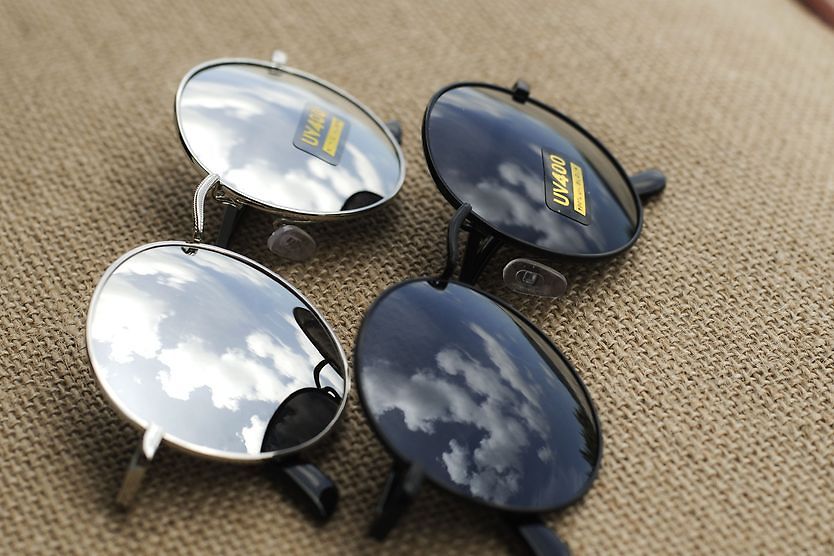
If you’re shopping for new sunglasses online, it’s usually easy to tell if a certain pair offers UV protection because it will say as much in the product description. More than likely, the description will offer the level of UV protection, where UV 400 is the highest level — it’s the equivalent of blocking 99% to 100% of UVA and UVB rays.
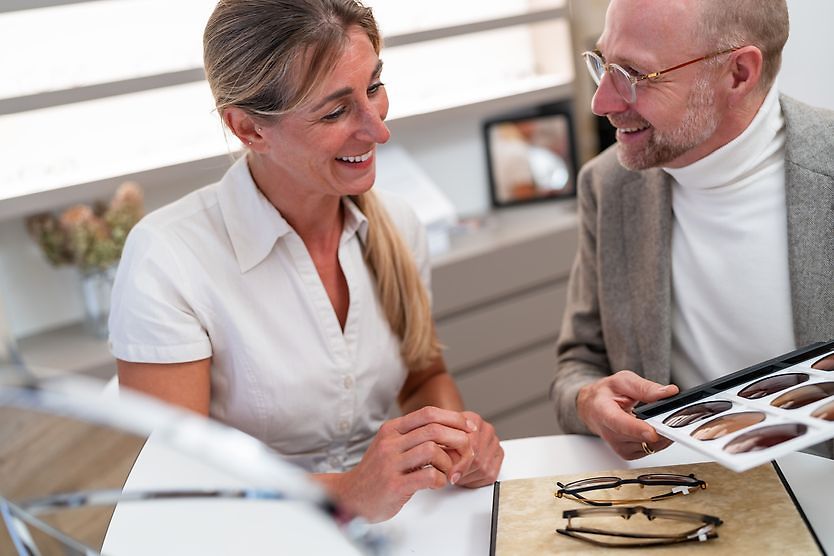
If you walk into an optical retail store or doctor’s office that specifically sells sunglasses, then you should be able to ask staff about the UV protection for any pair.
However, knowing the UV protection for a pair of sunglasses can sometimes be a little tricky. If you’re purchasing sunglasses from a gas station, drugstore or another location that doesn’t specialize in selling sunglasses, then that information may not be readily apparent.
You should be able to tell if sunglasses are UV protected by inspecting stickers on the lenses. If they don’t state “100% UV protection,” then consider purchasing another pair.
Do cheap sunglasses protect your eyes?
Cheap sunglasses can protect your eyes from the glaring rays of the sun, but only to a certain extent. Some inexpensive sunglasses offer UV protection for your eyes while others don’t offer nearly enough.
In short: High-quality, low-cost sunglasses are out there — you just have to know what to shop for.
SEE RELATED: Are Cheap Sunglasses Bad for Your Eyes?
Choosing sunglasses to protect your eyes
When shopping for sunglasses, look for:
- Maximum UV protection (listed as UV 400, 100% protection against UVA and UVB rays, or something similar)
- Glare protection (polarization)
- Well-fitting, comfortable frames
- Visibility through the lenses (if the tint is too dark, you may have trouble seeing through them)
- Scratch-resistant coating
While some of these qualities aren’t directly responsible for protecting your eyes, they all work to make your sunglasses more effective.
How to protect your eyes from UV damage
Wearing sunglasses with the proper amount of UV protection is a great first step in shielding your eyes from sun damage.
In addition to wearing sunglasses, you can protect your eyes from the sun by wearing brimmed hats outside, utilizing your car visor while you’re driving and staying in the shade.
READY TO SEARCH FOR NEW SHADES? Find an optical store near you or shop online.