How to find durable men’s eyeglasses
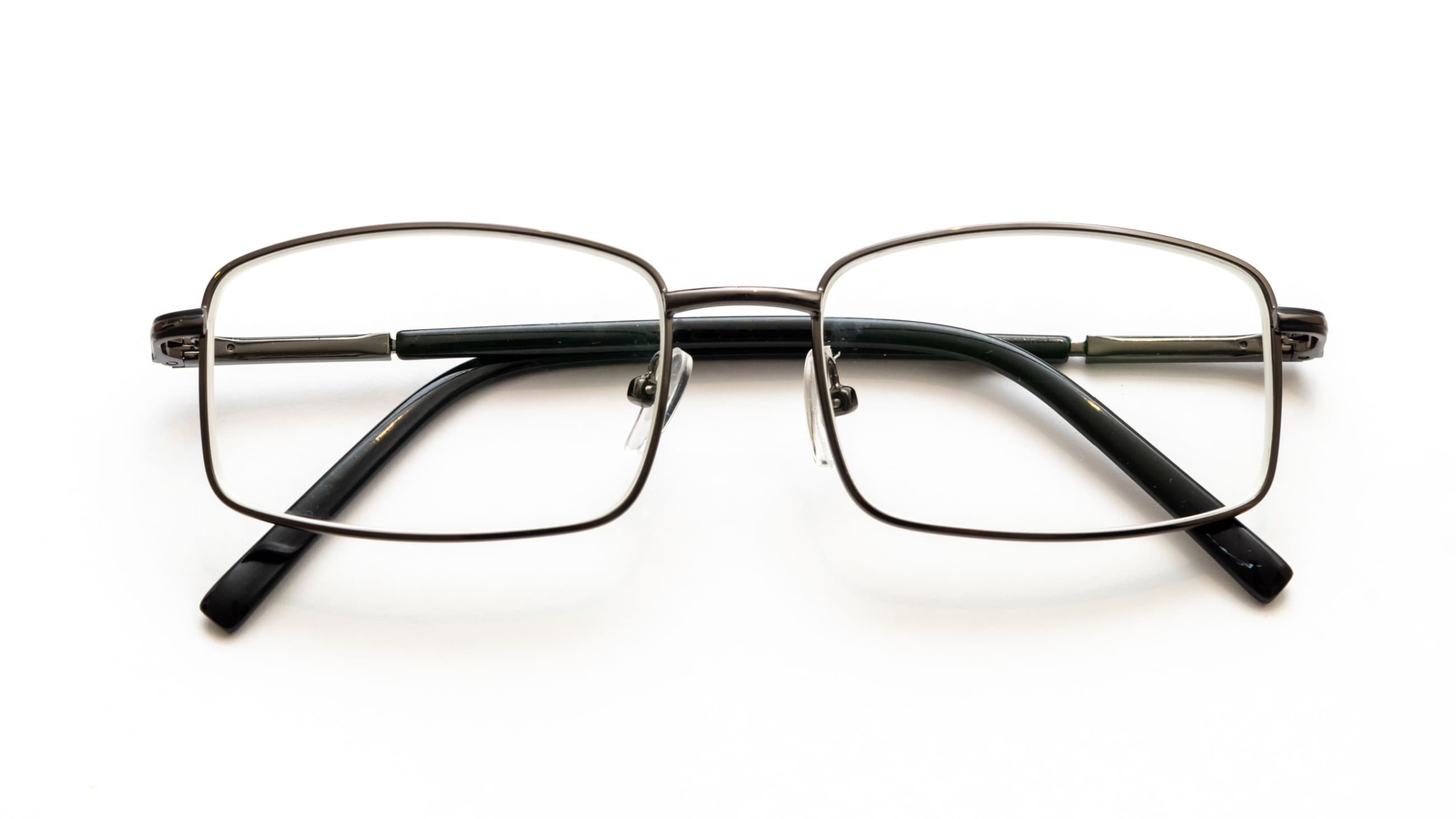

It happens to many people. Plastic frames snap when you take an elbow to the face during a pickup basketball game. Lenses get scratched when you drop your eyeglasses and accidentally kick them skidding across the factory floor.
The trouble is, when your eyeglasses get twisted, scratched or mangled, they often require an immediate repair or replacement.
If you’re in the market for rugged, durable eyeglasses, it can be helpful to think about the materials in your frames and lenses. Let’s walk through each:
Durable eyeglass frames

Plastic and metal are common eyeglass frame materials, and some frames use a combination of both.
Isn’t metal inherently tougher than plastic? Perhaps, but everything depends on how you use your eyeglasses. These eyeglasses frames facts may help clear things up:
Metal frame materials

When choosing metal frames, consider the combination of weight, flexibility, strength and resistance to breakage. If you have metal allergies, make sure your frame material is hypoallergenic.
Here is a closer look at metal frame materials:
Titanium-based memory metal alloy: This metal has a unique capability for springing back to its original shape after it gets twisted. You may see it called “memory metal.”
Titanium: This is a lightweight, strong and flexible metal that doesn’t rust. Pure titanium is hypoallergenic.
Stainless steel: The temples of stainless-steel frames have some spring in them, which resists breakage. Stainless steel also resists corrosion, which can give it a longer life. It may be hypoallergenic, depending on the alloys used.
Other metals: Corrosion-resistant nickel-copper alloy metal, one of the more common frame metals, is strong and durable, but it can trigger reactions in people allergic to nickel. Cobalt is lightweight, durable and flexible. Aluminum frames are also a lightweight option, but they can also be stiff, brittle and prone to snapping.
Plastic frame materials

Plastic frames are widely available in a variety of designs. They also tend to weaken with age and can even melt in extreme heat. Some plastics can trigger allergies, so make sure to check the materials in your plastic frames if you’re prone to allergic reactions.
Here is a closer look at plastic frames materials:
Nylon: Athletes and people in hazardous professions often prefer nylon frames because they are flexible, lightweight and considered durable — at least in the short run. Nylon frames can become brittle over time.
Aramid fiber: This material used in bulletproof vests can survive strong impacts, which can make it an ideal choice for contact sports and high-risk jobs. It doesn’t have a lot of flex, however, which can limit its applications.
Other plastics: Cellulose acetate, one of the more common eyeglass frame plastics, is a flexible material, but it may become brittle over time. Epoxy resin materials are often lightweight and hypoallergenic but may be prone to breakage under some circumstances.
Durable eyeglass lenses
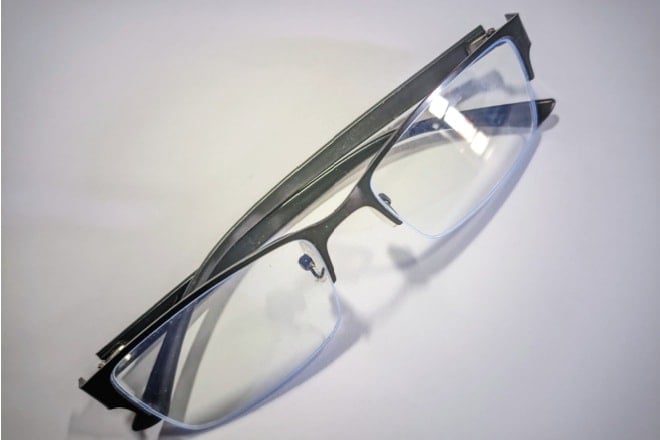
Your lenses an important component of your eyeglasses because they correct your vision and can help protect your eyesight. Durable eyeglass lenses are often made to help resist scratches and withstand impact.
Here’s a closer look at durable eyeglass lens materials:
Polycarbonate: This soft, sturdy plastic is less likely to shatter on impact, making it an optimal choice for safety lens applications. Polycarbonate lenses can also work well with rimless eyeglass designs.
Specialized polyurethane-based material: The lightest lens material on the market, this option has an impact resistance similar to polycarbonate.
Hybrid lens material: This is a thin, lightweight high index (1.60) and impact-resistant specialized polyurethane-based material. Unfortunately, it’s not widely available.
SEE RELATED: A helpful guide to men's glasses
Anti-scratch lens coatings
Polycarbonate and specialized polyurethane-based lenses are made to flex or bend to help prevent shattering. This can be ideal for your eyes, but not so great for the lens surface, which can scratch easily.
Therefore, it’s important to make sure your plastic lenses are treated to resist scratching. Some eyeglasses retailers also offer an optional warranty for scratched lenses.
What about glass lenses?
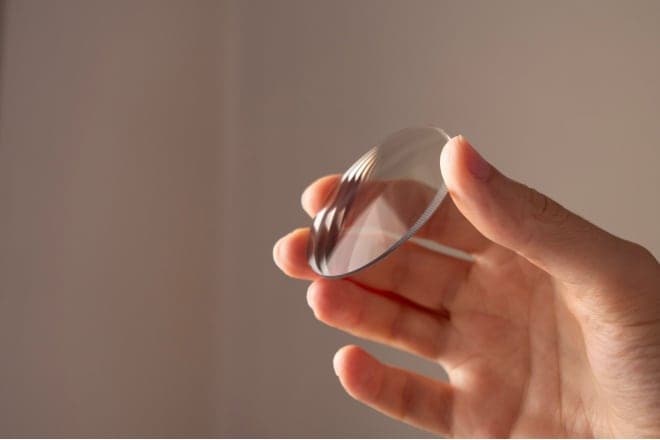
Glass is a much harder surface than plastic. Because glass lenses resist scratching, they can often last longer than plastic ones.
But that’s not the same as durability — which often refers to how long they can remain functional over time.
Unfortunately, glass lenses tend to break on impact. Moreover, if you’re wearing them when they break, you can suffer significant eye damage, including possibly some level of visual impairment.
The optimal path to durable men’s eyeglasses

Selecting durable eyeglass frames can be complex, as fit, style and individual facial characteristics may need to be considered.
Your eyesight may require a specific kind of lens, or you may be allergic to the materials in eyeglass frames, whether they are plastic or metal.
If you play impact sports, tough nylon frames may be the optimal choice. If you work in a petrochemical refinery, metallic frames may be more suitable for your needs.
When you select eyeglasses, make sure your optician understands your lifestyle — if you work hard and play harder, durable eyeglasses may be an important consideration.
However, if you work in an office and would rather read books than climb mountains, you could end up buying more durability than you actually need.
Your eye care professional can help you determine the ideal choice for your vision needs and lifestyle.
READY FOR DURABLE GLASSES? Find an optical shop near you.