High-index lenses: What they are and who might need them


On this page
What are high-index lenses?
Who might benefit from high-index lenses?
Typical high-index lens options
Pros and cons of high-index lenses
Finding the right high-index lenses and frames
Are high-index lenses worth it?
Frequently asked questions about high-index lenses
On this page
What are high-index lenses?
Who might benefit from high-index lenses?
Typical high-index lens options
Pros and cons of high-index lenses
Finding the right high-index lenses and frames
Are high-index lenses worth it?
Frequently asked questions about high-index lenses
What are high-index lenses?
High-index lenses are a type of eyeglass lens designed for individuals with high vision prescriptions. They correct significant prescriptions while maintaining a thin, lightweight design.
The lenses are made with high-index materials that offer a higher refractive index than regular lenses. Refractive index reflects how much light slows down and bends when passing through a lens material.
Regular lenses, whether plastic or glass, typically have a refractive index of approximately 1.5. The refractive index of high-index lenses is often between 1.61 and 1.74.
The increased refractive index helps the lenses bend light more efficiently. This allows manufacturers to use less material and reduces the lens thickness and weight.
Who might benefit from high-index lenses?
People with a vision prescription of + or - 3.00 diopters (D) or higher are ideal candidates for high-index lenses. This is because they are designed to provide higher refraction with a thinner, lighter lens.
The lenses can correct different refractive errors, including:
- Myopia (nearsightedness)
- Hyperopia (farsightedness)
- Astigmatism
SEE RELATED: Astigmatism glasses
Typical high-index lens options
High-index lenses come in varying strengths. Regular plastic (CR-39) lenses have an index of 1.5, and polycarbonate lenses have a higher-than-normal index of 1.59. But “high-index” lenses typically encompass indexes of 1.60 or higher.
1.61 high-index lenses
1.61 index lenses are optimal for those with moderately strong prescriptions. People with a sphere prescription of + or - 2.00 to 4.00 D may benefit from this lens index. Sphere (SPH) on a vision prescription indicates nearsightedness (-) or farsightedness (+).
Lenses with a 1.61 index are around 20% thinner than standard plastic lenses that correct the same prescription.
1.67 high-index lenses
Eyeglass lenses with an index of 1.67 are about 30% thinner than regular plastic lenses. They accommodate prescription strength ranges of + or - 4.00 to 6.00 D for nearsightedness and farsightedness.
Because of how thin and lightweight they are, these lenses may offer increased comfort for wearers.
1.74 high-index lenses
1.74 lenses are considered ultra-high index and are the thinnest plastic option available. They may be recommended for someone with a prescription strength of + or - 6.00 D or higher and high cylinder corrections. Cylinder or “CYL” on a vision prescription indicates the presence of astigmatism.
Lenses with a 1.74 index are 45% thinner than regular (CR-39) plastic lenses.
High-index glass lenses
People with a significantly high vision prescription may need more correction than plastic lenses can offer. While 1.74 is the highest lens index for plastic lens material, glass lenses are available in some cases at even higher indexes. These include:
- 1.70 – High-index glass lenses for prescriptions of + or - 6.00 D and above.
- 1.80 – Very high-index glass lenses to accommodate prescriptions of + or - 10.00 or higher.
- 1.90 – Ultra high-index glass lenses that correct prescriptions of + or - 10.00 or above.
Pros and cons of high-index lenses
Before making any decisions about which corrective lenses are ideal for you, talk to an eye doctor or optician. They can help you make an informed choice based on your specific vision needs.
With that in mind, high-index lenses have their fair share of benefits and drawbacks that you should consider when choosing a lens type.
Pros
Some benefits users find with high-index lenses include:
- Optimal appearance – A slimmer design prevents the magnified or minified effect, which can make the eyes look larger or smaller than they are.
- Reduced lens weight – Less lens material means a lighter lens, which may increase comfort during wear.
- Compatible with lens coatings – Many high-index lens materials naturally block UV rays. Additional treatments, such as anti-reflective lens coatings, can be applied.
- Increased frame options – Thicker lenses are limited to certain frame styles, whereas most frame options can accommodate high-index lenses.
Cons
In addition to the perks of high-index lenses, here are a few details you might want to think about:
- Higher price tag – The high-quality lens materials used to develop them generally make high-index lenses more expensive than standard lenses.
- Potential distortion – High-index lenses may cause peripheral vision distortion and color fringing, especially with very high prescriptions, due to increased light dispersion.
- Increased light reflection from lens surface – The high refractive index in the lenses may increase their reflectance, which can cause light reflection and glare on them.
- Weaker impact resistance and durability – The durability and impact resistance of high-index lenses may be less than those of polycarbonate, specialized polyurethane-based and even standard lenses.
Finding the right high-index lenses and frames
When shopping for new glasses, there are several details to consider, particularly if you have a tricky prescription.
For example, not all high-index lenses are created equal. If your vision prescription is only moderately high, you might not elect to go with 1.74 index lenses. 1.61 index lenses, or even polycarbonate lenses, may be a better fit for your vision and lifestyle needs.
Polycarbonate lenses have a 1.59 lens index, which is higher than standard plastic lenses but not quite in the “high-index” tier. They’re 30% thinner than standard lenses and impact-resistant. This makes them an ideal option for kids and adults with active lifestyles.
It’s also wise to consider frame style when deciding on lens type. A rule of thumb is that a thick lens needs a small frame (but not too small).
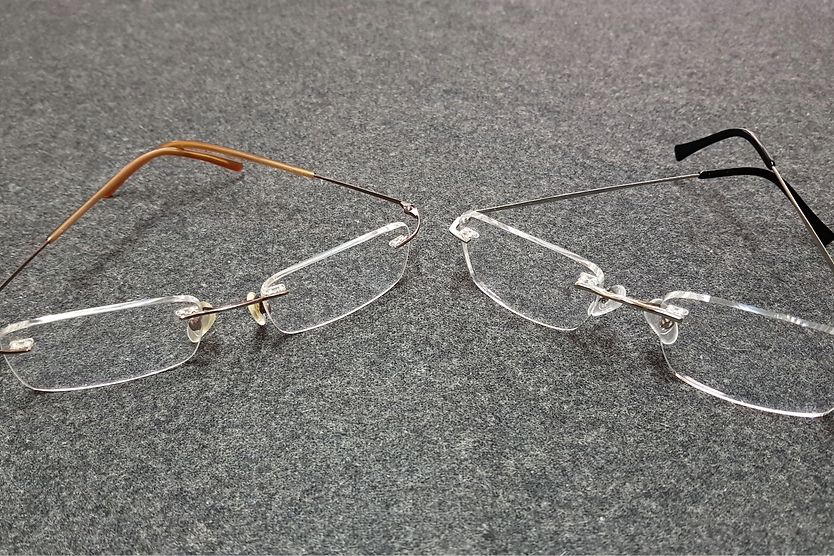
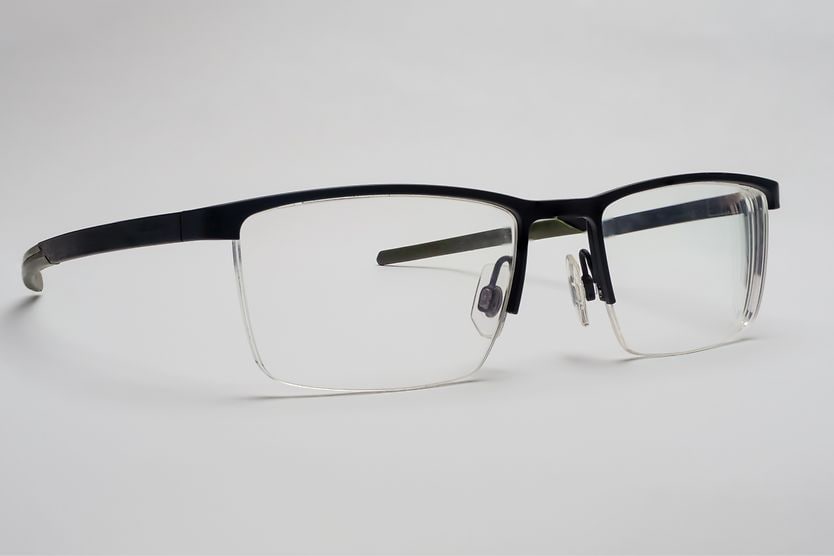
If you have your heart set on oversized or rimless and semi-rimless frame styles, you could opt for a thinner lens. This is because a larger frame size requires larger lenses to fit into it. Lenses that are thick and heavy are more noticeable in the large frames. They may also weigh them down and make them uncomfortable to wear.
For those who prefer a small, fully-rimmed frame, there is some wiggle room for thicker lenses. However, keep in mind:
- The magnification and minification of the eyes is possible with standard lenses.
- Frames that are too small may not support the weight of the lenses.
One last detail to mention is lens coatings. High-index lenses need an anti-reflective coating applied to reduce the amount of glare reflected off the lens surface. Adding lens treatments increases the overall cost of the lenses, which may influence shoppers on a budget.
Above all else, discuss your eyeglass preferences and priorities with an eye doctor. They can work with you to determine the ideal eyewear option for your prescription, lifestyle and personality.
SEE RELATED: How to replace the lenses in your favorite frames
Are high-index lenses worth it?
High-index lenses are a practical option for people who have high vision prescriptions and want a thinner, lighter lens. The lighter weight may increase comfort during wear, and the thinner design may reduce a magnified or minified eye appearance.
The higher cost and potential complications may deter some people from pursuing high-index lenses. An eye care professional can help you weigh the benefits and drawbacks of high-index lenses and determine which option works for you.
Frequently asked questions about high-index lenses
Below are answers to common questions asked by consumers. The corresponding answers may further help you when shopping for high-index lenses.
How much do high-index lenses cost?
High-index lenses are generally more expensive than standard lenses. The price of lenses alone can range depending on:
- Index level (1.61, 1.67, etc.)
- Lens type (single-vision, multifocal, etc.)
- Lens coatings (anti-reflective, scratch-resistant, blue-violet light*, etc.)
- Retailer (online versus brick and mortar)
- Location (prices vary by market and region)
Do high-index lenses need special coatings?
Yes, high-index lenses often require an anti-reflective coating. This is because the lenses have a higher refractive index, which makes the lens surface more reflective. Anti-reflective coating can reduce the amount of lens reflections and glare. This may increase comfort for wearers.
How long does it take to get used to high-index lenses?
The adjustment period for high-index lenses is typically a few days. This may depend on the person and whether their prescription changed significantly. If wearers continue to experience distorted vision after two weeks, it is recommended to contact their eye care professional.
READ MORE: What’s the difference between polycarbonate and high-index lenses?
*Blue-violet light is between 400 and 455nm as stated by ISO TR20772-2018. (ISO: International Standards Organization – “Ophthalmic optics – Spectacles lenses – Short Wavelength visible solar radiation and the eye, FD ISO/TR 20772”)
On this page:
What are high-index lenses?
Who might benefit from high-index lenses?
Typical high-index lens options
Pros and cons of high-index lenses
Finding the right high-index lenses and frames
Are high-index lenses worth it?
Frequently asked questions about high-index lenses
On this page:
What are high-index lenses?
Who might benefit from high-index lenses?
Typical high-index lens options
Pros and cons of high-index lenses
Finding the right high-index lenses and frames
Are high-index lenses worth it?
Frequently asked questions about high-index lenses