Astigmatism glasses: a guide to understanding the need for and types of

Astigmatism affects the shape of your cornea and how you perceive light. When astigmatism goes untreated, it can cause headaches, eye strain and other discomfort — even for mild cases.
Astigmatism can be treated several ways — from contact lenses to eyeglasses and even surgery. Of these solutions, glasses for astigmatism are among the most popular, and serve wearers of all ages well.
But how do you choose the right pair of astigmatism glasses? This guide will help you understand how glasses help astigmatism, as well as lens types and details to consider.
What lenses are used for astigmatism?
Both lens power and lens technology can play a role in correcting astigmatism.
Astigmatism affects the shape of the cornea; rather than being shaped “normally” like a baseball, astigmatism causes the cornea to more closely resemble the shape of an American football or an egg. Because of this, light is processed differently through the eye. This is where a specific astigmatism lens power for eyeglasses comes in handy.
Cylinder (CYL) is the part of eyeglass prescription that indicates additional power is needed to correct astigmatism. If you have astigmatism that needs correction, this will be shown on your prescription, because it is a critical element of your corrective lenses.
Lens power isn’t the only important part of astigmatism glasses, however.
Features to consider for astigmatism lenses
Astigmatism can cause headaches, eye strain and even trouble with night vision. Because of this, there are key lens features to consider when astigmatism patients choose a pair of glasses.
Blue light filtering lenses
Eye strain is a common symptom of astigmatism. If you regularly use a computer or other digital screens, this can further irritate the eyes. In fact, excessive screen time can cause digital eye strain, particularly for those with uncorrected astigmatism. Some people report that blue light filtering lenses are comfortable for screen use
Anti-reflective (AR) coating
This type of coating allows your eyes to focus properly on the visible light entering your eyes, which allows for optimal vision.
AR coating is also helpful for driving at night, since it can eliminate reflections and glare from oncoming headlights, as well as streetlights. This is particularly helpful for those with astigmatism who may have trouble seeing at night.
Ultraviolet (UV) protection
Bright sunlight can contribute to headaches, a burden that many with astigmatism already face. Those with more severe astigmatism may also have heightened light sensitivity. For these reasons, UV protection is a feature to consider for astigmatism glasses.
Progressive lenses for astigmatism
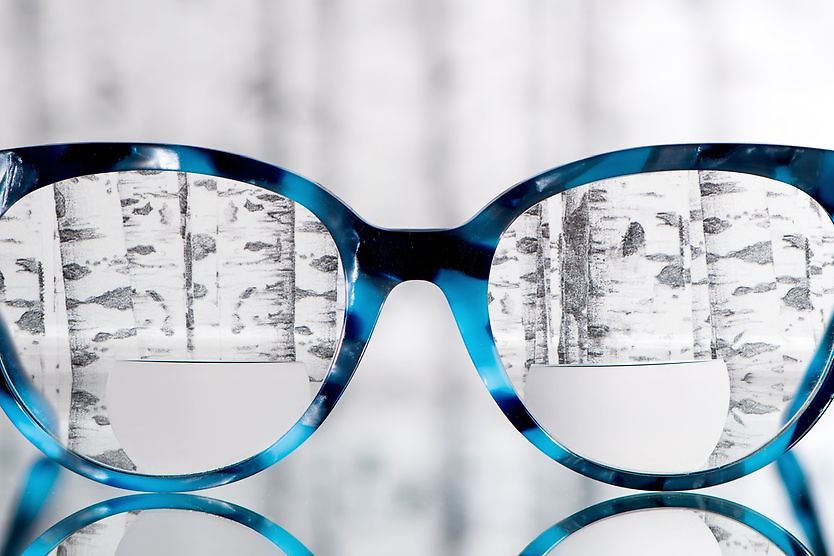
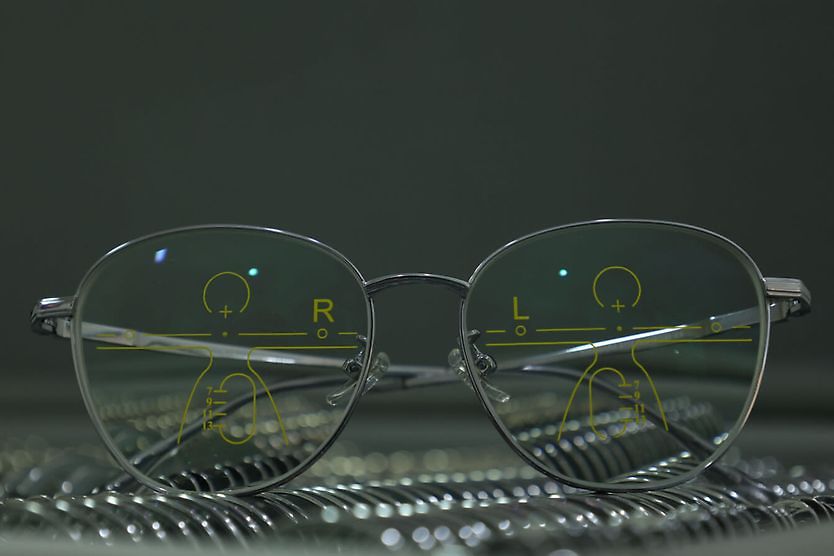
When vision needs correction for near- and farsightedness as well as astigmatism, progressive lenses are an optimal choice. Progressive lenses are especially beneficial for those experiencing age-related farsightedness (presbyopia) who also have astigmatism.
SEE RELATED: How to choose the best lenses for your eyeglasses
Should you wear glasses all the time for astigmatism?
When astigmatism is left untreated (whether the condition is minor, moderate or severe), it can cause discomfort in the form of headaches, eye strain and more. This can unquestionably present a distraction from everyday activities and work.
It’s important to follow your eye doctor’s recommendations for treating your astigmatism and wear your prescription eyeglasses on a regular basis (especially while driving). Alternating between glasses and no glasses can stress out your vision and cause astigmatism symptoms to worsen.
Adjusting to new glasses for astigmatism
Getting used to a new prescription or a change in lenses usually takes a few days — but for some, it could take up to a week or two for eyes to fully adjust.
It’s normal for headaches to occur during this transitional period, but if you experience several days of distorted vision or heightened symptoms of astigmatism or discomfort, contact your eye doctor as soon as possible.
Read next: Eye exercises for astigmatism