Myth vs. fact: Are eyeglass enhancements and upgrades necessary?


Eyeglass lens enhancements: What do you really need?
Getting new eyeglasses can be exciting, whether it’s your first pair or one of many. But knowing which lens options to choose can feel overwhelming, even for experienced eyeglass wearers.
Lens coatings and other features serve different purposes and can provide various benefits. Understanding these lens enhancements can help you determine which options may be ideal for your eyewear needs.
Separating fact from fiction about lens features
There are some misconceptions about eyeglass upgrades and enhancements, and what’s really necessary when purchasing a new pair. Here’s a breakdown of myths vs. facts surrounding common lens options:
Lens feature | Myth | Fact |
Scratch-resistant coating | Scratch-resistant coatings aren’t necessary. | Some lens materials are more prone to becoming scratched. These coatings can help protect your lenses from the majority of scratches during everyday use. |
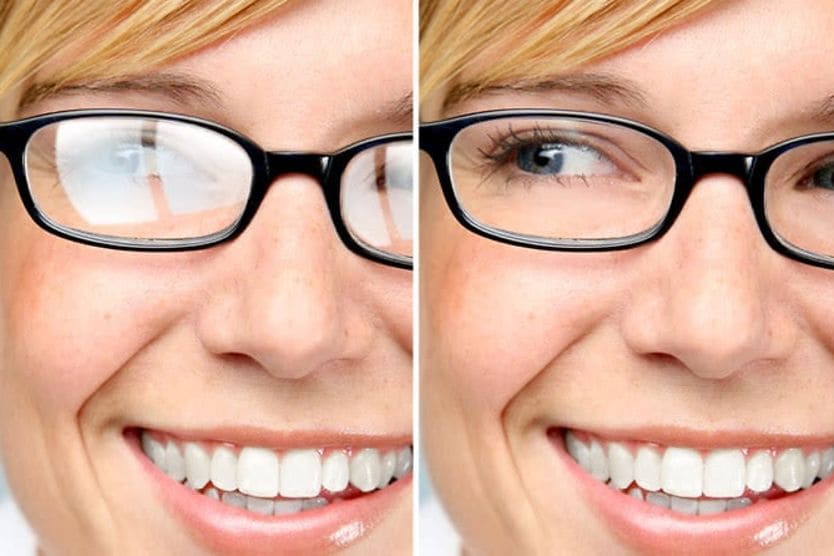
Anti-reflective coatings are only helpful when driving at night. | These coatings can help reduce distracting reflections on lenses in various lighting conditions and other situations. | |
UV protection isn’t necessary for eyeglasses. | Some eyeglass lens materials inherently offer UV protection. For those that don’t, adding a UV coating can help protect your eyes from the sun’s UV rays. | |
Everyone with an eyeglass prescription needs high-index lenses. | High-index lenses may be recommended for certain prescriptions, especially stronger ones. But they aren’t necessary for everyone. | |
Impact-resistant materials | Impact-resistant lenses are necessary for everyone who wears eyeglasses. | These materials may be recommended in some instances, such as for children and those with active lifestyles and certain occupations. |
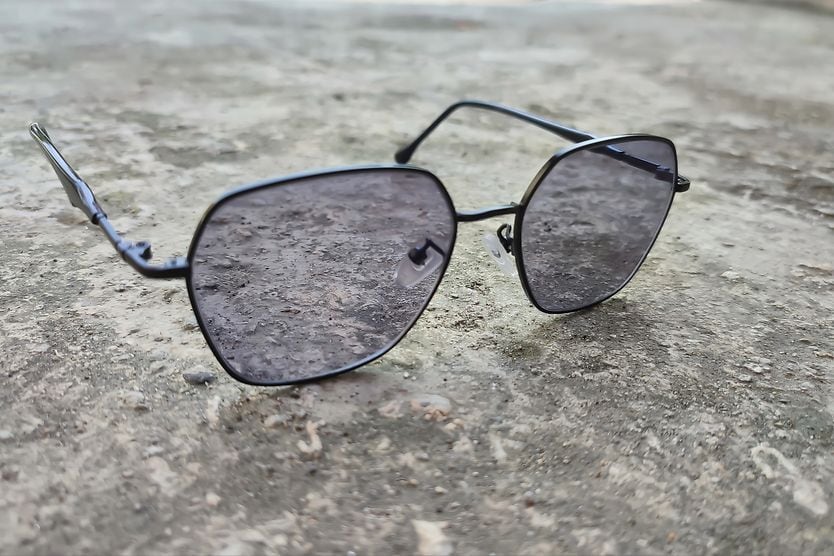
Photochromic lenses are a must for those who spend time outdoors. | Photochromic lenses automatically adjust to changing light conditions. They can be convenient for people who frequently transition between indoor and outdoor settings. But other lens options may offer similar benefits. | |
Polarized lenses | Polarized lenses provide more UV protection than other sunglasses. | Polarized lenses help reduce glare from reflective surfaces. But they do not inherently include UV protection. |
Lens tint | The darker the lens tint, the more sun protection it provides. | Lens tint does not indicate the level of UV protection. Only eyewear labeled as having 100% UVA-UVB or 400 nm UV protection offers this feature. |
Blue-violet light filtering is necessary for people who spend a lot of time looking at digital screens. | This option may help filter some high-energy blue-violet light from digital devices. It may also potentially improve eye comfort during extended screen time. |
Your eye doctor and optician can help you choose eyeglass lens enhancements based on your vision needs, daily activities and lifestyle.
*Blue-violet light is between 400 and 455nm as stated by ISO TR 20772-2018.