Solar eclipse eye safety: August 12 and 27-28, 2026

When is the next solar eclipse?
The next total solar eclipse is August 12, 2026, and the next partial lunar eclipse is August 27-28, 2026. If you happen to be in a location where you can observe one or both of the upcoming eclipses, there are important safety considerations to keep in mind.
Read on to learn more about solar eclipses and how to keep your eyes protected while viewing this natural phenomenon.
What causes a solar eclipse?
A solar eclipse is a rare event that occurs when the moon passes between the Earth and the sun. There are three types of solar eclipse:
- Total solar eclipse – The moon completely covers the face of the sun. The sky darkens and the corona (the sun's outermost atmosphere) becomes visible during a total eclipse.
- Partial solar eclipse – The moon passes in front of the sun but does not cover it completely. A bright crescent-shaped portion of the sun becomes visible during a partial eclipse.
- Annular solar eclipse – The moon passes in front of the sun, but it is too far away to cover the sun completely. A bright ring of light or "ring of fire" becomes visible around the silhouette of the moon.
Where to view the 2026 solar eclipses
Solar and lunar eclipses can be seen from various locations worldwide.
The total solar eclipse on August 12, 2026, will be visible across parts of Iceland, Greenland, Russia, Spain and a small region in Portugal. A partial solar eclipse will be visible in North America, Africa and Europe, and in the Pacific Ocean, Atlantic Ocean and Arctic Ocean.
The partial lunar eclipse on August 27-28, 2026, will be visible in parts of the Americas, Africa, Europe and Western Asia.
What happens if you look at a solar eclipse?
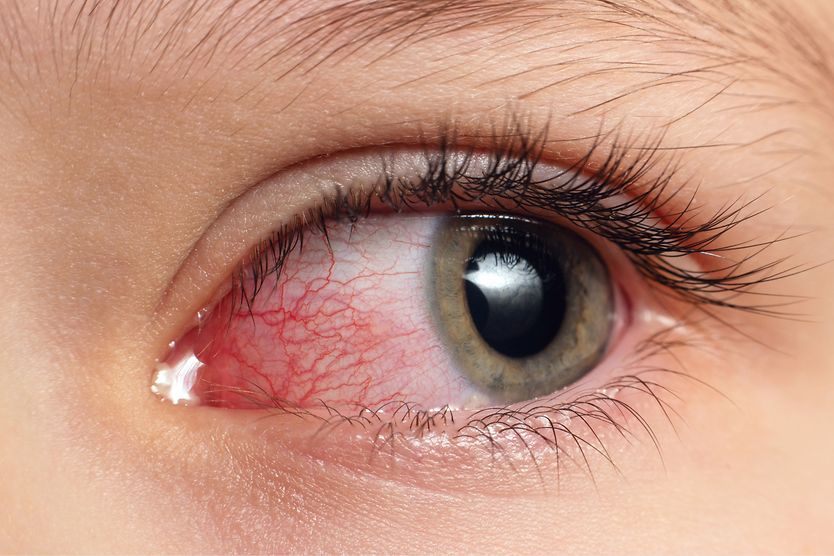
Staring at the sun without proper eye protection can result in a condition called solar retinopathy or solar maculopathy. When exposed to intense sunlight, like during a solar eclipse, the cells in the retina can become damaged and cause long-term vision issues.
Symptoms of solar retinopathy may not be immediate, but they can include:
- Blurry vision
- Reduced visual acuity
- Photophobia – Light sensitivity
- Scotoma – A blind spot in one or both eyes
- Dyschromatopsia – When you experience changes in how you see colors
- Metamorphopsia – When shapes or objects appear distorted
- Micropsia – When objects appear smaller than they actually are
- Headaches
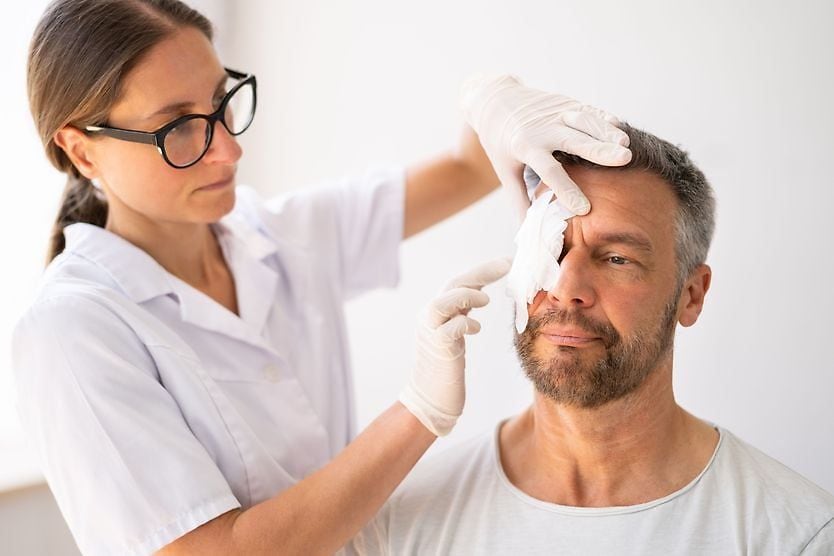
Symptoms of solar retinopathy, or "eclipse blindness," can happen within a few hours or days. Solar retinopathy typically causes visual symptoms, not eye pain. The more common symptom is an apparent blind spot. If you experience vision symptoms after viewing a solar eclipse, seek immediate medical attention.
Can you go blind from looking at a solar eclipse?
Vision loss can occur if you look directly at a solar eclipse without proper protection, though you’re more likely to experience a permanent blind spot or sense of visual distortion. Many people’s vision usually improves on its own after a few months, but vision changes that have not improved after about six months are likely to be permanent.
While there is no specific treatment for solar retinopathy, it is still important to see an eye doctor if you notice changes in your vision after viewing a solar eclipse. In all, depending on the amount of damage incurred, it is possible to recover from solar retinopathy, but it can take weeks or months of healing.
How to view an eclipse safely
There is only one way to view an eclipse directly without damaging your eyes:
Solar eclipse glasses
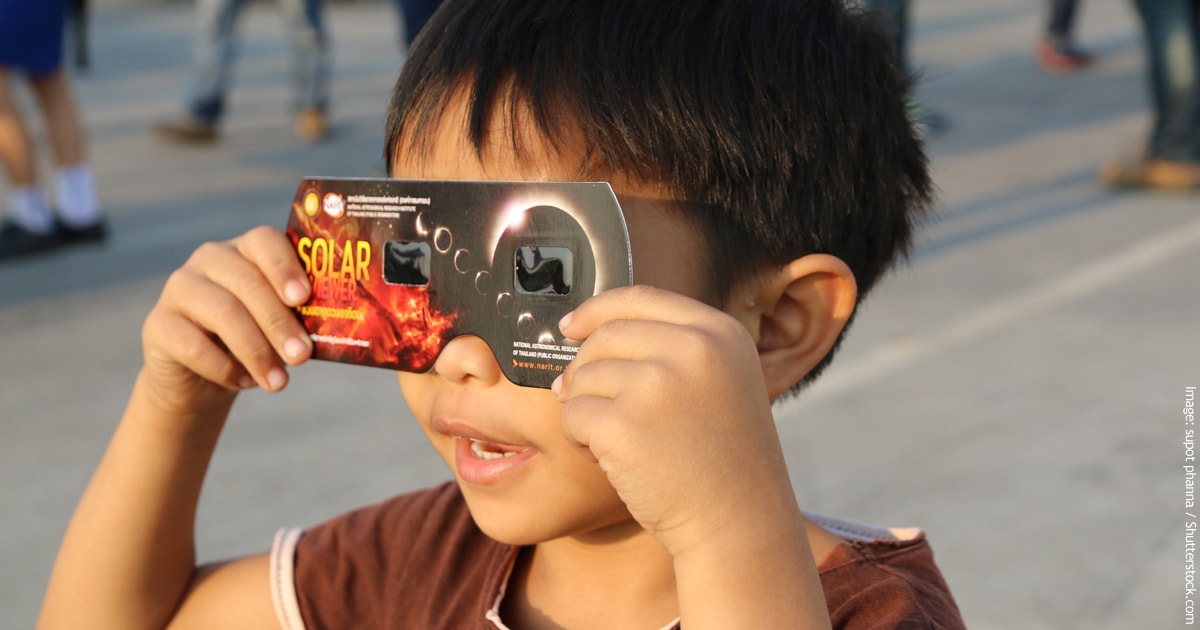
The only way to properly protect your eyes while looking directly at a solar eclipse is with certified solar eclipse glasses. Traditional sunglasses do not provide enough protection from an eclipse, no matter how dark the lenses are.
To be considered safe for use during an eclipse, solar viewers and eclipse glasses must have a mark indicating that they meet the requirements for international safety standard ISO 12312-2.
To get your pair of certified eclipse glasses, check with your public library or a nearby home improvement store. Make sure any viewer you get is intact before using it — in other words, no rips, scratches, punctures or tears. It’s also important to check the expiration date because eclipse glasses use materials that can degrade over time.
How to observe an eclipse indirectly
If you can’t find any ISO-certified eclipse glasses, it’s still possible to observe the effects of a solar eclipse indirectly using one of the methods below. Even though you won’t be looking directly at the sun, you can still get a sense of what’s happening. However, these indirect viewing methods do not eliminate the risk to your eyes, so it’s important to use them carefully and avoid looking directly at the sun at any time:
- Pinhole projector – One of the more popular methods is a pinhole projector, which can be made at home. It works by allowing sunlight to pass through a small hole made in a piece of paper or cardboard, projecting the sun’s image onto a flat surface.
- Your hands – With your back to the sun, cross the fingers of one hand over the fingers of your other hand to create a grid pattern. Then watch the shadow made by your outstretched hands on the ground in front of you. The spaces between your fingers will project images of the eclipse onto the ground.
- Tree leaves – For a more creative approach to indirect observation, try using the shadows made by tree leaves to view an eclipse. During a partial solar eclipse, the spaces between the leaves project images of the eclipse onto the ground. Some people use this method if they don't have access to eclipse glasses or a pinhole projector.
What to do (and not do) during a solar eclipse
The following is a list of do’s and don'ts for viewing a solar eclipse safely:
- DO inspect all eclipse glasses and solar viewers before use. If the lenses are damaged, they are not safe to use.
- DO keep your prescription glasses on when using eclipse glasses or a solar viewer. Eclipse glasses can usually be worn over your glasses during the eclipse to help protect your eyes and allow you to see clearly.
- DO supervise young children to make sure they do not look at the eclipse without proper eye protection.
- DO NOT look at the eclipse through a phone, camera, telescope or binoculars, even when wearing eclipse glasses. Different solar filters have to be used for these magnified lenses and must be applied to the front of the lens according to their special instructions.
- DO NOT remove your eclipse glasses until the eclipse has completely finished and you are no longer looking at the sun.
- DO NOT use homemade eclipse glasses or ordinary sunglasses to view a solar eclipse. They are not ISO-certified and will not protect your eyes from possible damage.
Be sure to take the proper safety precautions while viewing the August 12 and 27-28, 2026 eclipses.