A guide to caring for a blind or vision-impaired dog

On this page
Experiment with daily routines
Make small changes to your home
… but don’t change too much
Signs your dog might be losing their vision
Why do dogs go blind?
A little patience goes a long way
On this page
Experiment with daily routines
Make small changes to your home
… but don’t change too much
Signs your dog might be losing their vision
Why do dogs go blind?
A little patience goes a long way
You may have seen videos of dogs who needed to have one or more of their legs amputated due to an accident or illness. But then, the moment they’ve healed, they’re running and playing with their four-legged friends as best they can, happy as ever.
They may not be as fast, and they might stumble at times, but they seem just as overjoyed at the thought of playtime as they were when they had all four legs.
This is because dogs, along with many other animals, adapt to disabilities extremely well. And this same resilience can also apply to dogs who lose (or are born without) part or all of their vision.
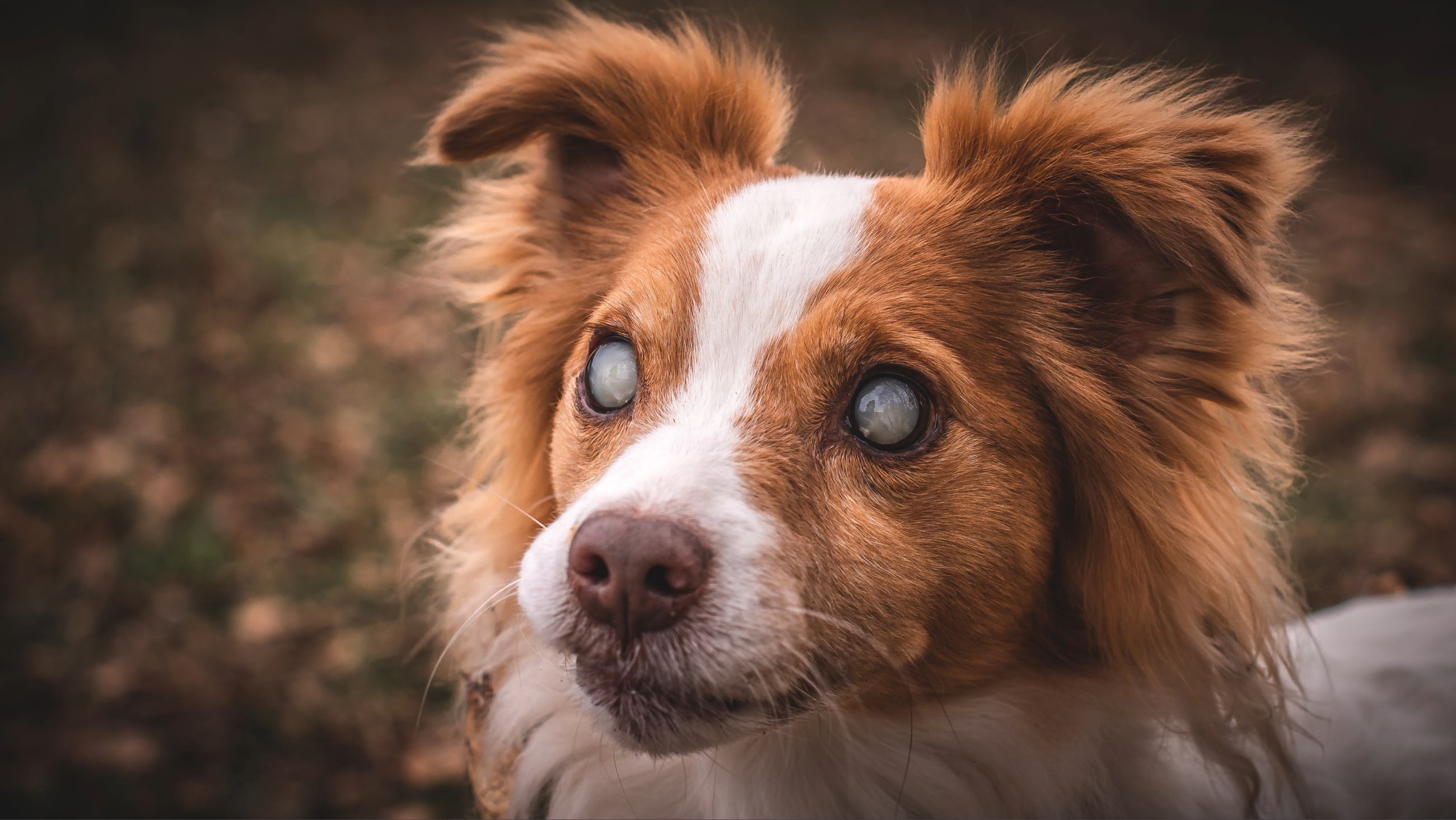
Vision loss is a natural part of many dogs’ lives. While many dogs with vision loss experience it gradually as they get older, others may experience low vision or even blindness from an early age. Some dogs are even born blind.
But vision loss doesn’t have to stop your dog from enjoying life. Their habits may change, but you might be surprised at how well they get along — especially when you lend a helping hand.
Dog owners can help their pets get the most out of life with low vision or even blindness. In this guide, we’ll cover the basics of caring for a blind or vision-impaired dog, including:
- Updating daily routines
- Creating a safe and comfortable environment
- Which changes to make
- Which changes to avoid
- Finding fun, creative ways to help your dog
We’ll also cover:
- Some of the signs of vision loss in dogs
- Why dogs lose their vision
- How dogs adapt and how you can encourage them
Experiment with daily routines
Some of the simplest, most rewarding ways you can help your dog involve small lifestyle tweaks. You won’t need to spend any money, and your dog can enjoy the benefits from day one.
With a little practice and patience, small changes can play a big role in helping your dog feel more comfortable with less vision.
- When you walk into a room, approach your dog slowly and let them sniff your hand or quietly say their name to gently let them know you’re there.
- Be careful not to startle them when they’re resting. A fully sighted dog can see who or what is waking them up, but a dog with vision loss may get scared or defensive if they’re jarred awake.
- Try incorporating new spoken commands or noise cues into their daily life. You can “be their eyes” by helping them learn that a certain word or noise means they’re going the wrong way or about to bump into something.
Make small changes to your home
When it comes to your dog’s safety and your peace of mind, a few minor home adjustments can pay off in a big way. Consider making some of the following changes for your vision-impaired pet:
Block potential hazard areas
Dogs with poor vision can have a harder time knowing when they’re putting themselves at risk. If you have stairs or a pool, you should block these areas off so your dog doesn’t accidentally fall.
You may also want to block off certain high-traffic areas of your home, especially if you have a small dog. They may like to lay in a small kitchen or workout area, but these rooms can be problematic if your dog can’t detect your movement as well.
Cover sharp corners and edges
Walk around your home and take note of anything sharp at or near your dog’s eye level. Objects or furniture with sharp corners should be moved or covered with soft coverings or protective bumpers.
Soft corner guards, which are designed for babies but can be just as useful for dogs, are available in most supermarkets. You can also buy (or make) edge cushions to line the entire edge length of a fixture.
Lay down scents
Like the smell of fresh cooking that guides you toward the kitchen, scents can be used to guide vision-impaired dogs as well.
Experiment with fragrances like the smell of your dog’s favorite treat to nudge them along the right path.
Add texture to the floor
You can also use mats, rugs and other textured floor coverings to help your dog orient themselves in your home. This can be especially helpful around important areas like food and water bowls or the door they use to go outside.
If their food and water bowls are on hard flooring, try placing them on a big rug or doormat in the same spot. If they’re on carpeting, try putting down a smooth, plastic mat instead. Your dog will feel these textures with their paws, which helps them know that they’re close to their food and water.
Experiment with bells and other noise-makers
Bells can help visually impaired dogs know when other people or animals are moving around or approaching them.
To start, try clipping a small bell to your belt or pant leg whenever you’re inside the home. If you have other dogs or cats, clip one to their collars too. The soft jingle of these bells can alert your low-vision or blind dog to the presence of someone or something moving around them and prevent them from getting startled.
And next time you buy your dog a new toy, try one that makes noise. A toy with a bell or squeaker inside can give them a satisfying dose of sound feedback in the absence of eyesight.
Invest in a halo (or make your own)
If your dog bumps into objects a lot, they might benefit from a halo, a special harness with a plastic loop that hovers over their heads. The loop hits objects first and gives them a moment to stop walking in that direction. Over time, a majority of dogs get used to wearing the harness and feel more comfortable walking around.
Name-brand halos can be on the expensive side but may be worth the expense in the long run. Several generic alternatives are also available through popular online retailers.
If you’re feeling handy, there are even video guides to making your own halo.
… but don’t change too much
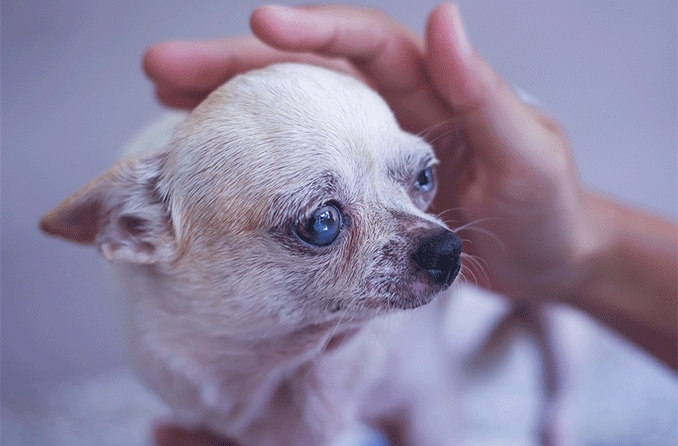
Dogs rely on their senses of smell, hearing and touch to a greater degree than humans do, and even more so when their vision is poor.
In many cases, a dog that seems blind can still see some light and shapes. You might notice these dogs turning their head when a light comes on or following you with their eyes when you walk past them.
Dogs with low vision will usually continue to use even the faintest sense of sight to identify the outlines of objects. Completely blind dogs can use the familiar scent of a sofa or texture of the floor to figure out which part of the home they’re in.
Before you move anything, you should take the following factors into consideration:
- Like people, dogs find great comfort in knowing where to go when they’re hungry or thirsty. Try not to move their food and water bowls, unless you really need to, as this can make them feel anxious.
- The same is true for furniture and other familiar fixtures they’re used to living with. When a dog has vision loss, it uses familiar objects like a couch, table or chair to know where they are. Moving or removing these objects can make them feel lost in their own home.
- Don’t feel like you have to separate your dog from other pets in the home unless you have reason to.
Create a relaxing retreat
When dogs lose their vision, they tend to move around less and spend more time in one familiar area. You might notice them sitting in their favorite spot more often, enjoying the sounds and smells of the home.
Designating one area for rest and relaxation means they’ll always have a “happy place” to fall back on whenever they’re feeling tired or stressed out.
Place their favorite bed, blanket and toys in an area they feel comfortable. If they drag their stuff around a lot, try to place everything back in the same spot each morning and before bed at night.
Leave the TV on
Modern humans tend to watch a lot of television. Dogs don’t exactly watch TV like people do, but they do get used to the sound of it being on.
If it’s normal for you to keep the TV on for long periods of time, consider leaving it on throughout the day, even and especially when you leave the home. It may make them feel more comfortable and may stop them from getting confused or disoriented by other sounds.
The noise from a TV can also help them figure out which part of the home they’re in.
If you don’t have cable, you can stream countless multi-hour live video feeds of nature scenes for free from some places online.
Keep the conversation going
There’s a good chance you already talk to your dog. There’s even evidence that dogs like the high-pitched “dog-speak” people tend to use around them.
When they lose part or all of their vision and rely more on sound, dog-speak can become even more important. Talk to your dog as much as possible, and they’ll take comfort in hearing the sound of your voice.
Keep playing and going for walks
When a dog loses their vision, it might feel necessary to incorporate fewer walks and less playtime into their lives.
However, most dogs still benefit greatly from physical activity — even if it has to be a little slower. These activities can work wonders for their bodies and minds.
On walks, try to keep your dog on a shorter leash and stay mindful of where they’re walking. They probably won’t have the same spatial awareness outdoors as they do inside your home, so they’re more likely to bump into trees or mailboxes along the way.
Let your dog set the pace as much as possible, giving them a chance to absorb your neighborhood’s familiar smells and sounds.
Signs your dog might be losing their vision
Vision changes aren’t always easy to recognize in your pets. Dogs tend to deal internally with injuries and disabilities, and then adapt to them, more quickly than humans do.
Much of the time, their natural reaction to vision loss and other physical changes is to accept the changes and adjust their lives accordingly. You may not even notice these changes until you make an unrelated change to your pet’s environment.
When changes do become noticeable, they can include:
- Getting startled easily.
- Bumping into furniture and other fixtures, especially any that were recently moved or added to the home.
- Taking longer to find a toy or treat (or not noticing it at all) when one is tossed in front of them.
- Hesitating to jump on and off of beds or in and out of cars. They might also be leery of using the stairs, in either direction.
- Hesitating to go outside at night, especially when an outdoor light isn’t on.
- Squinting or wincing in bright light, due to increased light sensitivity.
- Squinting or wincing as they walk, out of fear of bumping into objects.
If you think your dog might be losing their vision, scheduling an appointment with a veterinarian or veterinary ophthalmololgist should be the first step. Any changes in a dog’s behavior should be assessed to rule out serious conditions that need immediate care.
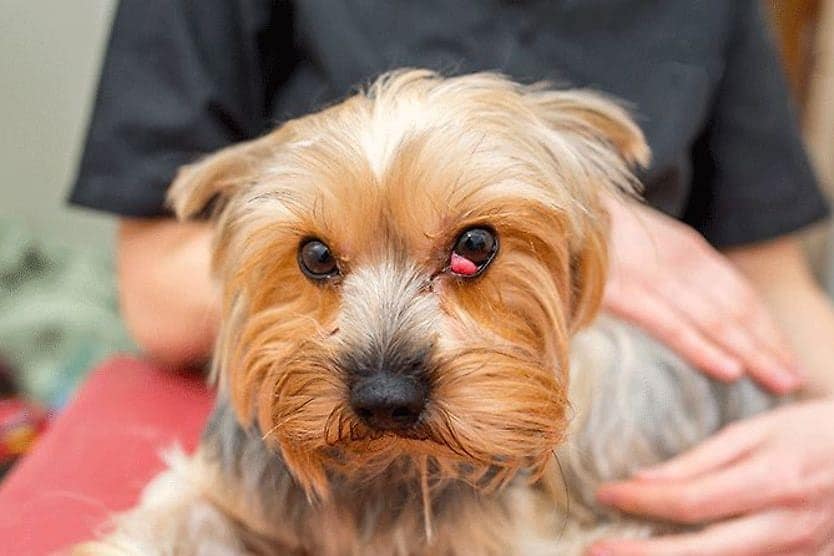
If your dog is in pain or you notice visible symptoms like redness, inflammation, swelling, discharge or anything else that concerns you, you should schedule a vet appointment as soon as possible.
After your vet visit
If a vet does find that your dog is losing their vision, it can make you feel sad for your pet. This is a very normal and understandable feeling to have for a beloved pet facing a difficult change.
However, it should offer a small bit of comfort to know that, from your dog’s perspective, reduced eyesight is simply something they will or have accepted and are quickly adapting to — if they haven’t completely adapted already.
Vision loss becomes a part of their normal, everyday life. With a little help from their owners, they can be just as happy without sight as they were with it.
Why do dogs go blind?
Dogs can lose their vision for many of the same reasons humans do. Some cause a gradual loss of vision, while others result in near-immediate blindness.
Different dog breeds can have different risks of developing cataracts at some point in their lives.
One study of 72 breeds saw noticeable swings in how often dogs developed cataracts after age 7:
- Fewer than 10% of Great Danes, boxers, collies and Siberian huskies
- Around 15% of border collies, Rottweilers and miniature poodles
- More than 25% of Portuguese water dogs, field spaniels, flat-coated retrievers and Havanese
The study also shows how some breeds can be predisposed to cataracts earlier in life. In this case, about three of every 20 English mastiffs, silky terriers and bearded collies examined had developed cataracts before they turned five years old.
Canine glaucoma, when high pressure inside the eye causes vision loss, also occurs more often in certain breeds. Jack Russell terriers, chow chows, basset hounds and Shar-Peis are among common dogs seen with primary glaucoma.
Surgery could restore a dog’s vision, but it isn’t for every dog (or owner). Success rates are high — as high as 85-90% for cataracts — but they can vary depending on breed, age and other factors.
Surgery can also be expensive and too heavy a financial burden for many. For this reason, many owners choose to instead help their pets adapt to life with cataracts.
Plus, a vet may be able to offer ways outside of surgery to treat your dog’s condition and help them live comfortably.
Veterinarians or veterinary ophthalmololgists can also sometimes help slow the progression of other causes of vision loss, such as corneal and retinal damage, to give your dog the best possible eyesight for as long as possible. Early diagnosis of sight-threatening conditions offers one more reason to schedule regular check-ups with your vet.
You should talk to your vet about any other conditions your dog has, even if they don’t immediately affect their eyes. Diabetes, hypertension (high blood pressure) and certain infections — along with other issues — can cause eyesight problems down the road, especially without proper management.
A little patience goes a long way
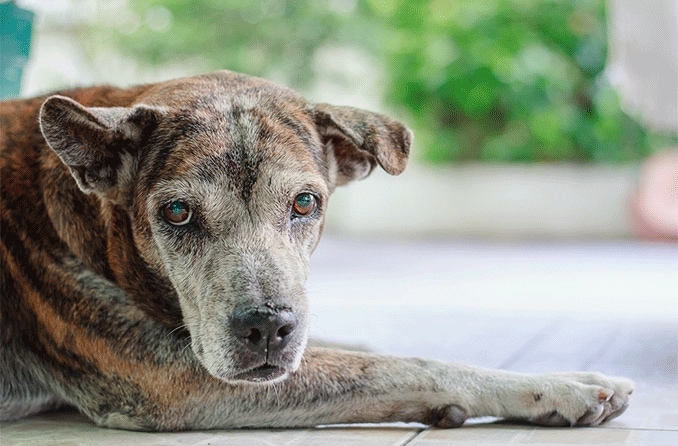
Living with a visually impaired dog can be just as rewarding as living with one who has full vision. But you might still feel frustrated from time to time, especially when you and your dog are still getting the hang of new habits.
During the transition, it’s important to be patient with your pet and give them the love and support they need to feel comfortable. Over time, new habits will become second nature for everyone involved, no matter how many legs they walk on.
On this page:
Experiment with daily routines
Make small changes to your home
… but don’t change too much
Signs your dog might be losing their vision
Why do dogs go blind?
A little patience goes a long way
On this page:
Experiment with daily routines
Make small changes to your home
… but don’t change too much
Signs your dog might be losing their vision
Why do dogs go blind?
A little patience goes a long way