What is vision therapy for children?

Vision therapy for children
Some children have eye problems that go beyond needing glasses. These issues can make it hard for the eyes to work together well, especially when looking at close objects. Vision therapy (VT) is a treatment that can help improve how the eyes focus and work together, making some tasks easier.
Eye doctors recognize vision therapy's benefits for many eye conditions. These include convergence insufficiency (CI) and accommodative dysfunction (AD). However, some eye doctors differ in their views on the use of VT for a wider range of conditions. Some recommend a cautious approach. They note that there isn't yet enough scientific evidence for broader applications. These include learning disorders (such as dyslexia) and attention-related difficulties.
What is vision therapy?
Vision therapy, as defined by the American Optometric Association, is a treatment program. It’s designed to help with certain eye-related conditions, including:
- Eye movement difficulties
- Problems with how the eyes work together as a team
- Misalignment of the eyes
- Underdeveloped vision in one or both eyes
- Focusing challenges
- Difficulty processing visual information and coordinating it with other senses
- Vision problems following a brain injury
Vision therapy works differently from glasses or contact lenses. Eyeglasses and contact lenses help correct refractive errors, such as nearsightedness or farsightedness. They help the eyes focus light properly onto the retina for sharp visual acuity.
Vision therapy is meant to address functional visual skills. It encompasses several different approaches to address eye coordination and visual processing:
- Orthoptic vision therapy – This is an established form. It uses specific eye exercises to help both eyes work better together. These exercises are taught in the office and practiced at home.
- Behavioral and perceptual vision therapy – This uses eye exercises and visual activities to help enhance visual processing. This is the brain's ability to understand and interpret what the eyes see.
- Myopia prevention/treatment vision therapy – This approach focuses on addressing nearsightedness (myopia).
Eye doctors are still studying behavioral vision therapy and myopia-focused vision therapy. More research is needed to confirm their effectiveness.
How vision therapy works
Vision therapy typically combines professional guidance with a home practice program. It usually involves regular office visits with a trained therapist. Sessions may last up to 60 minutes. Office visits may be scheduled for one or two sessions per week. Between appointments, the child is expected to perform home exercises.
The length of a complete program depends on the condition being treated and its severity. For example, office-based vergence/accommodative therapy may require about 16 sessions. Examples of visual skills that a vision therapy practice may focus on are:
- Accommodation ability
- Making coordinated eye movements
- Tracking moving objects
- Making quick eye movements
These programs aim to build visual skills and enhance comfort during specific tasks. They may also focus on the brain’s ability to coordinate eye movements and process visual input. Exercises and treatments may include:
- Specialized instruments
- Prisms
- Lenses
- Filters
- Occluders
- Computer programs
Conditions treated with vision therapy
Eye doctors are studying how vision therapy helps with different conditions. They are focusing on the impact of VT on vision and learning.
Convergence insufficiency
This common condition occurs when a child struggles to bring their eyes inward. This is called converging. It is needed when reading or performing tasks that require close focus. Symptoms of convergence insufficiency may include:
- Eye strain
- Headaches
- Double vision
- Difficulty concentrating during reading
Convergence insufficiency is the condition with research support for vision therapy. Research has found that vision therapy in an office and practiced at home is effective. It was found to be over five times more likely to help than a placebo.
Convergence insufficiency treatment typically involves guided eye exercises. These exercises help retrain your eyes to work together. They need to move toward each other when looking at objects up close. In some cases, prism glasses may be recommended. These special glasses help redirect light so the eyes don’t have to converge as much.
Accommodative dysfunction
Accommodation is how your eyes adjust to see clearly at different distances. This process helps you focus on things that are far away or close up. Clear vision usually requires both eye coordination and accommodation systems to work well together.
Accommodative dysfunction makes it hard to switch focus between far and near distances. It often occurs with convergence insufficiency. Symptoms may include:
- Blurry vision that comes and goes
- Slow reading speed
- Eye fatigue during homework
Treatment typically starts with a comprehensive eye exam to help identify any refractive errors. In some cases, reading glasses can help manage the condition. Vision therapy exercises can enhance focusing range and improve eye coordination.
Binocular vision dysfunction
Binocular vision is the ability of both eyes to work together. This provides a single, clear image. When the eyes do not coordinate, it can lead to difficulties focusing. It can also cause double vision (diplopia). There are many causes of binocular vision dysfunction (BVD). Some include crossed eyes (strabismus) or lazy eye (amblyopia). Therapy for BVD varies based on the:
- Underlying condition
- Child’s age and motivation
- Severity of the issue
VT programs often include specific exercises to help reduce eye misalignment. They may also offer guidance to help support proper eye alignment.
Benefits of vision therapy
Research demonstrates benefits for children with certain eye conditions. These include convergence insufficiency (CI) and accommodative dysfunction (AD). These improvements can include:
- Better eye coordination
- Fewer symptoms
- More comfortable vision for reading and schoolwork
Parents should have realistic expectations about what vision therapy can achieve. Therapy can improve visual function in children with convergence insufficiency. However, studies show it does not improve scores on reading assessments.
Research on vision therapy
The Convergence Insufficiency Treatment Trial (CITT) and other studies have examined vision therapy. These studies confirmed that office-based CI and AD therapy are effective. Outcomes with in-office therapy are better than those with home-based therapy alone.
For other conditions, such as childhood amblyopia, treatment depends on the underlying cause. Research has shown that patching the better eye is effective. This forces the brain to use the weaker eye. Eye drops that blur vision in the better eye may also be used. Complementary vision therapy using virtual reality headsets is another approved strategy.
The first decade of life is considered the best window for amblyopia treatment. But research shows that children up to age 17 may improve their vision with treatment. A combination of eyeglasses, eye patching and near visual activities can be used.
Vision therapy for adults
A recent study provides hope for those experiencing a concussion or brain injury. It found that concussion-related vision problems may be treated with in-office vision therapy. It also confirmed that early intervention shortened the symptom period. It helped patients return to their normal activities faster.
Vision therapy has the strongest research support for specific binocular vision disorders, such as CI and AD. However, offices that specialize in vision therapy also offer it for other applications. These include enhancing visual performance during sports.
Is vision therapy right for your child?
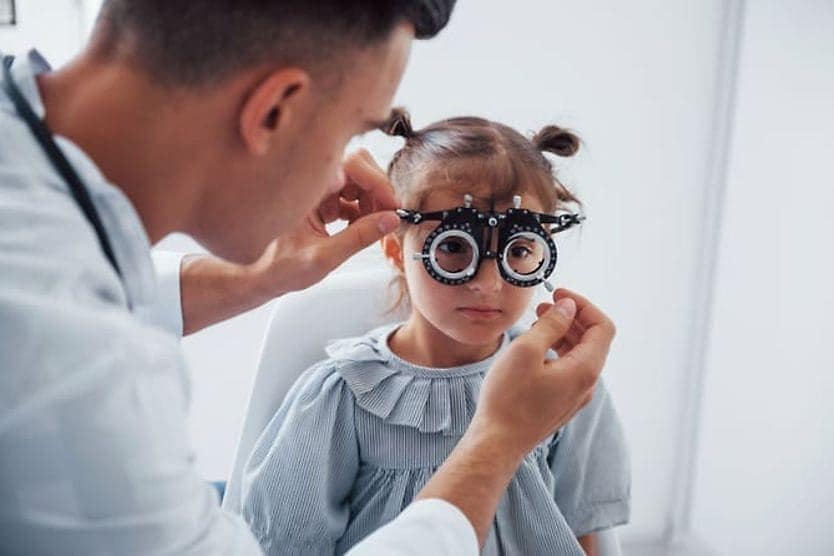
A comprehensive vision evaluation can help determine whether vision therapy is appropriate. The exam should include a binocular vision assessment. This goes beyond a standard eye examination. It assesses how well the eyes function together.
Certain signs may indicate a binocular vision issue, such as convergence insufficiency. These signs and symptoms are often seen during near work, and may include:
- Blurry vision
- Double vision
- Tired eyes
- Headaches
- Squinting or shutting one eye
- Rubbing the eyes
- Significant reading difficulty despite having the correct glasses prescription
A comprehensive eye examination is the first step toward an accurate diagnosis. Schedule an appointment with a pediatric ophthalmologist or optometrist. They can help determine if vision therapy is the right treatment for your child.