8 reasons to visit your eye doctor for contact lenses


The benefits of seeing your eye doctor for contact lenses
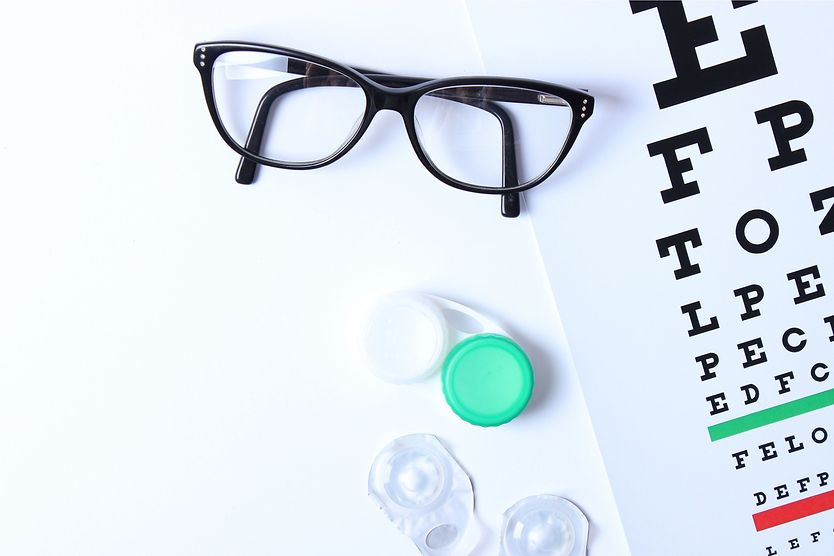
Contact lenses can be a convenient option for vision correction. But renewing a contact lens prescription involves more than determining how clearly you might see at a given distance. Visiting your eye doctor in person for a contact lens exam and fitting can help ensure your lenses are accurately prescribed and properly fitted.
Key reasons to see your eye doctor for contact lenses include:
1. Eye health and vision evaluation
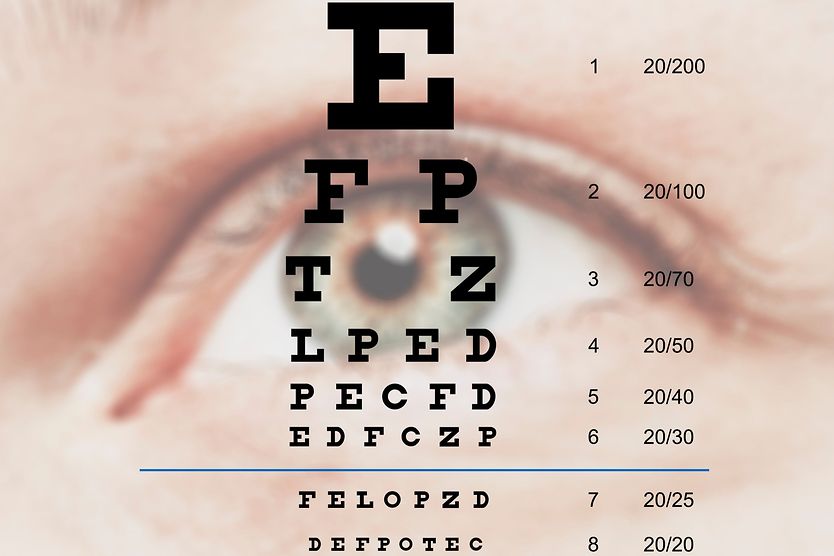
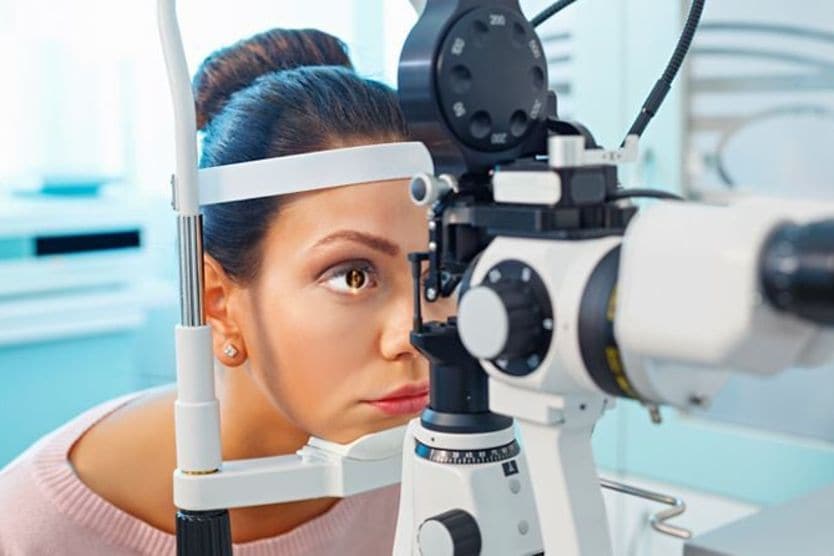
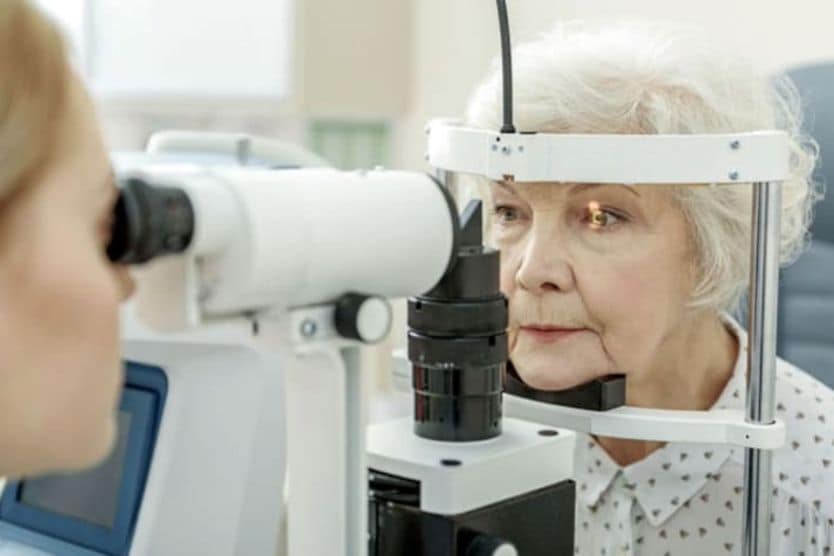
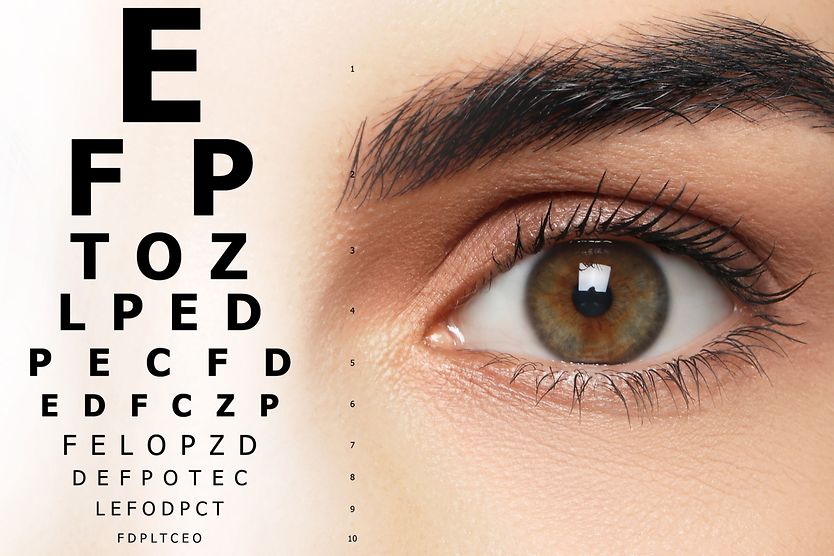
Your eye doctor will perform a comprehensive eye exam to assess your vision and eye health. During the exam, they’ll take specific eye measurements and check your visual acuity, among other factors. They’ll also screen for eye conditions and signs of systemic health issues that could potentially affect your eyes.
2. Prescription accuracy
Your contact lens prescription will be written based on the eye tests and measurements performed during your eye exam. This helps ensure you get lenses with the correct prescription and specifications for your eyes.
3. Appropriate lens type
There are many different contact lens types and materials. In addition to examining your eyes and vision, your eye doctor may ask about your daily activities and lifestyle to help determine the ideal lens type for you.
4. Proper contact lens fit
Contact lenses need to sit on your eyes correctly to function properly. Your eye doctor may place a pair of contact lenses onto your eyes to assess their fit and how they move when you blink.
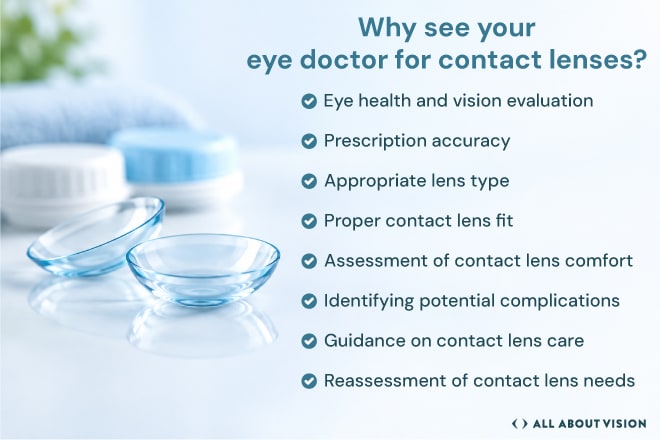
5. Assessment of contact lens comfort
An in-person visit allows your eye doctor to assess your vision while you’re wearing the contact lenses. You also get a chance to see how the lenses feel and whether you experience any discomfort.
6. Identification of potential complications
Your eye doctor can check for signs of eye irritation, inflammation and other issues that could potentially interfere with successful contact lens wear.
7. Personalized guidance on contact lens care
Improper contact lens wear or care can lead to eye infections and other conditions that could affect your eye health and ability to wear contact lenses. Your eye care team can show you how to properly insert, remove and care for your contact lenses. They may also explain potential risks and how to avoid them.
8. Reassessment of contact lens needs
Changes in your vision or eye health could indicate that your contact lens prescription or other related factors need to be reassessed. In-person visits allow your eye doctor to evaluate for changes and determine whether adjustments to your prescription may be appropriate.
It is recommended to schedule an in-person contact lens exam and fitting with your eye doctor to explore your vision correction options.