What happens after eye dilation?
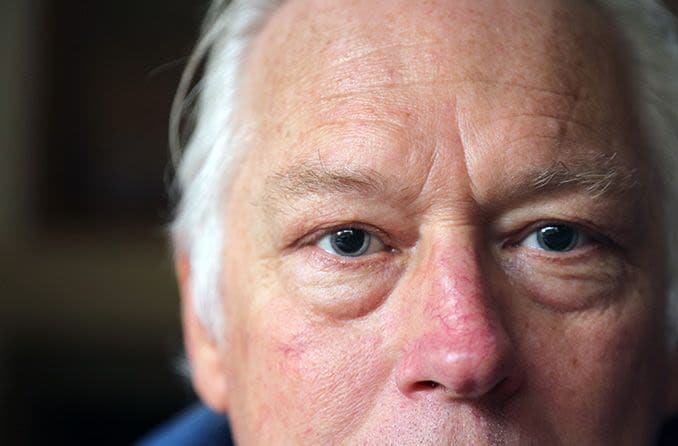
How long do eyes stay dilated after an eye exam?
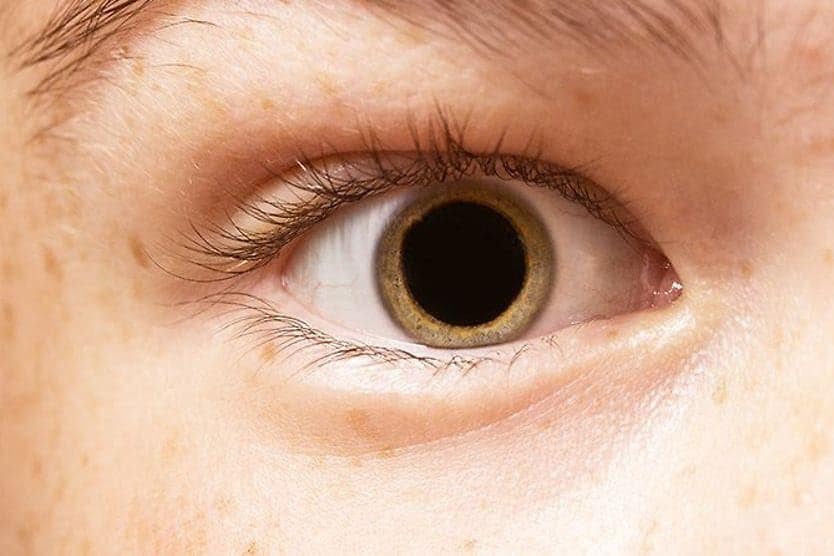
While many people can expect their eyes to return to normal in four to six hours, the effects vary from person to person, and in some cases, dilation can last as long as 24 hours.
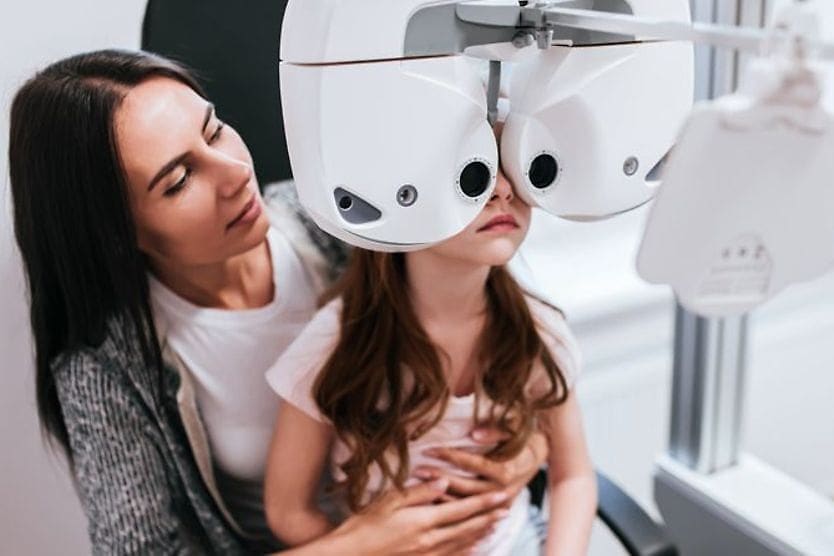
For example, children and people with lighter colored eyes may experience dilated pupils for up to 24 hours after the exam.
Your eye doctor will not be able to tell you exactly how long the effects will last, so it’s best to let your employer or family know that you’re having your eyes dilated and make sure you have someone to drive you home after your eye exam.
How to cope with the effects of dilation? A good pair of sunglasses should help you safely return to daily tasks.
Why does my eye doctor dilate my eyes?
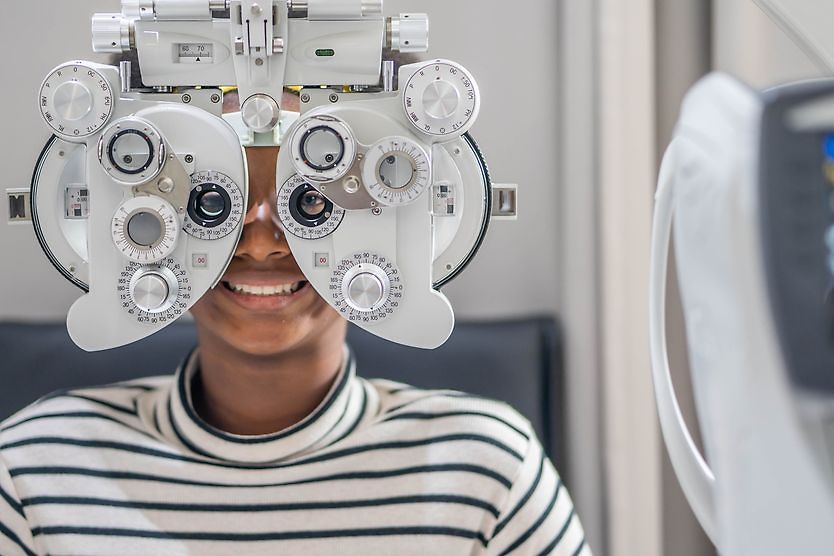
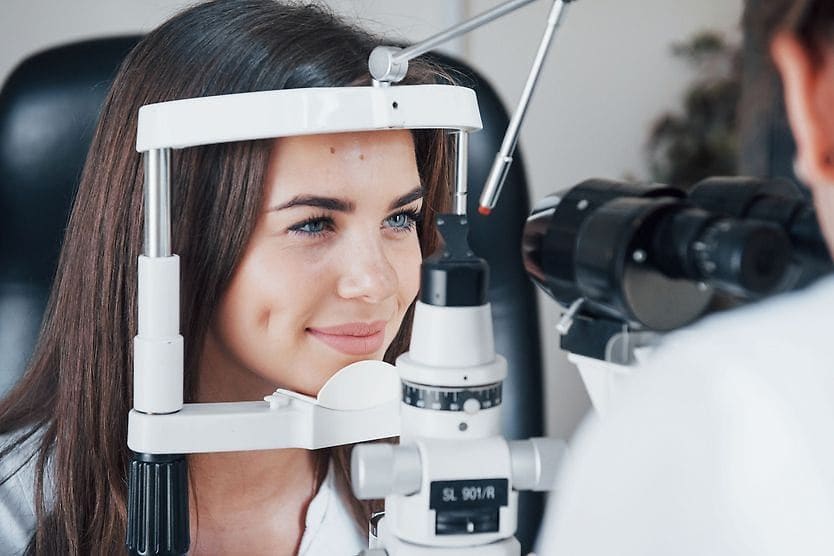
If you’ve ever had a comprehensive eye exam, you’ve likely had your eyes dilated. And while it may be a little uncomfortable, a dilated eye test is the only way to check for early signs of eye diseases like glaucoma, diabetic retinopathy and age-related macular degeneration (AMD).
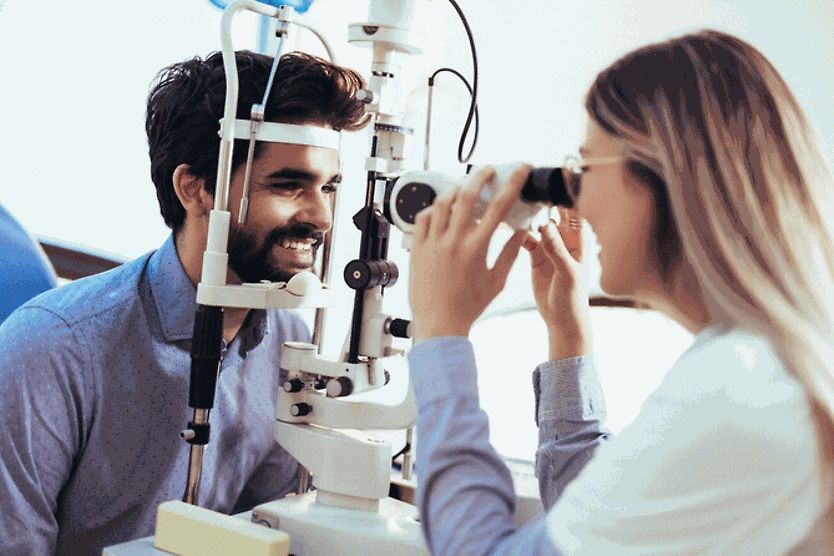
Doctors use special eye dilation drops to widen the pupils, which allows more light to enter the eye. This makes it easier to thoroughly examine the back of your eye (and specifically, the retina) for certain conditions that might otherwise be undetectable.
When is it safe to drive after eye dilation?
After eye dilation, some people experience blurry vision and are unable to see and read clearly for a couple of hours, making driving a dangerous task.
Dilating your eyes makes them much more sensitive to light and glare. Sunglasses may help some people to safely operate a vehicle after dilation, but if your vision remains unclear even with your eyes shielded, it’s best to let someone else drive.
If you’ve experienced blurry vision in the past or you’ve never had your pupils dilated, play it safe and have a friend or family member drive you home after your eye exam.
Can dilating eyes cause damage?
Generally speaking, applying dilating drops alone will often not cause eye damage, and allergic reactions are typically rare. If you have been diagnosed with a condition where your eye drainage system is considered “narrow,” your eye doctor will do special testing to ensure it is safe to dilate your eyes.
Because dilated pupils allow more light to enter the eyes, wearing proper sun protection is important. Doctors recommend bringing your own sunglasses to the exam, but in case you forget, your doctor may be able to provide you with temporary wraparound eye protection.
Bright sunlight can be blinding, especially after dilation, and without proper sunglasses, you may risk ultraviolet ray exposure because your pupils are unable to naturally constrict.
What is the alternative to eye dilation?
The latest advancements in retinal imaging technologies, such as ultra-widefield, can let eye doctors view the retina without dilating your eyes.
Note: Retinal imaging technologies, including ultra-widefield imaging, are intended to complement — not replace — a dilated eye exam. Dilation remains the clinical standard for evaluating the retina and other internal eye structures, allowing your eye doctor a more complete, three-dimensional view that imaging alone cannot fully replicate. The decision to perform dilation, imaging, or both should always be made by your eye care provider based on your individual clinical needs.
READ NEXT: What not to do after eye dilation