What to do when your eye symptoms don’t have a clear diagnosis

On this page
Why an eye problem could be difficult to diagnose
Ask what is known and what should happen next
Consider a second opinion
When symptoms beyond the eye are present
Keep a record of your symptoms
Bring your medical information to appointments
Specialized programs
Resources for education and support for rare conditions
Know what symptoms are a medical emergency
Use reliable information without trying to diagnose yourself
Finding support while you look for answers
On this page
Why an eye problem could be difficult to diagnose
Ask what is known and what should happen next
Consider a second opinion
When symptoms beyond the eye are present
Keep a record of your symptoms
Bring your medical information to appointments
Specialized programs
Resources for education and support for rare conditions
Know what symptoms are a medical emergency
Use reliable information without trying to diagnose yourself
Finding support while you look for answers
Why an eye problem could be difficult to diagnose
If you've had an eye exam but still don't have a diagnosis that explains your symptoms, further evaluation may help identify the cause. Some vision conditions involve the nervous system or other parts of the body and may require imaging, lab work or referral to a specialist.
Not every problem produces a clear finding at a single visit. Symptoms may change over time, overlap with those of other conditions, or come and go.
Ask what is known and what should happen next
Knowing what has been evaluated and what your eye doctor recommends next can help you decide how to move forward. It can be useful to discuss the findings from your first exam as a starting point.
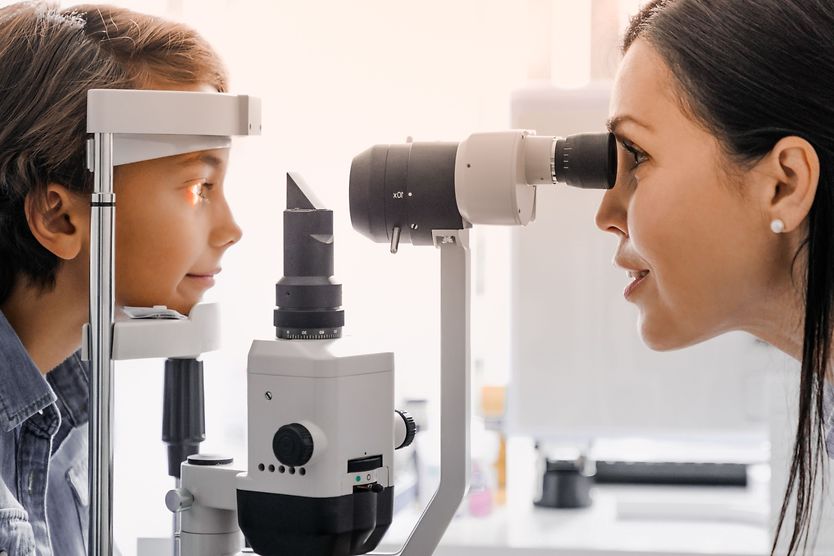
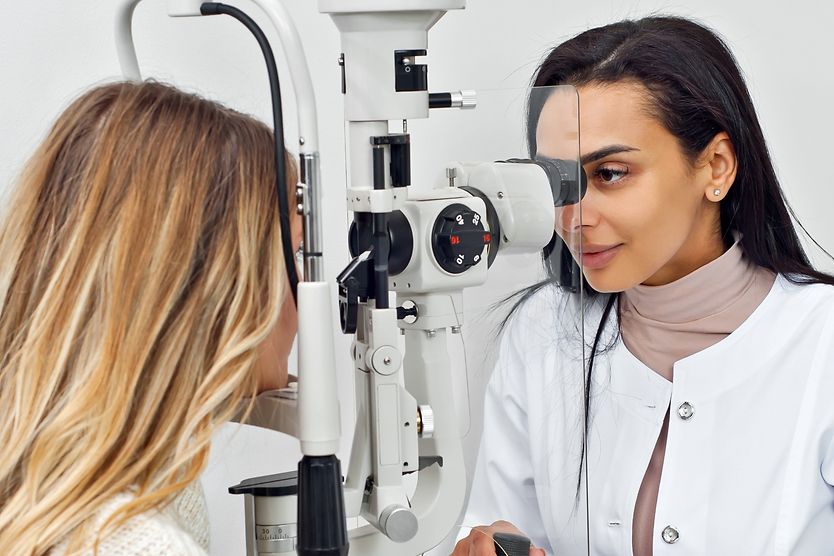
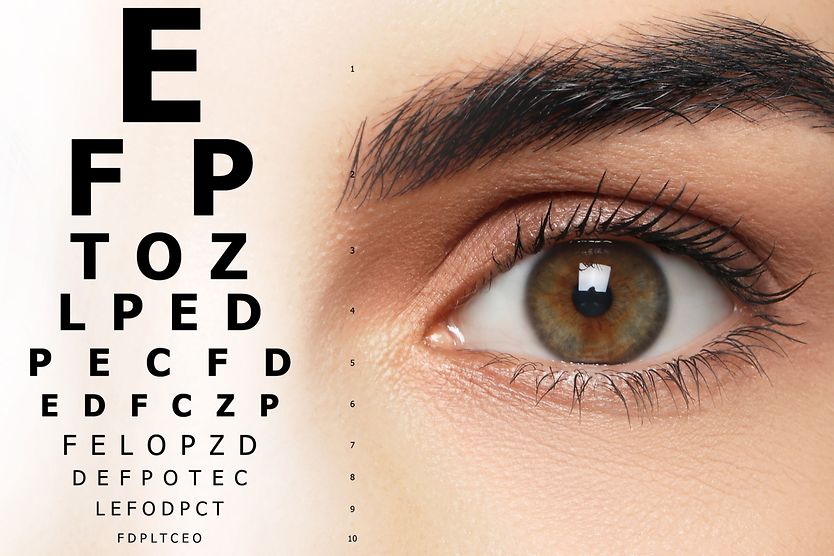
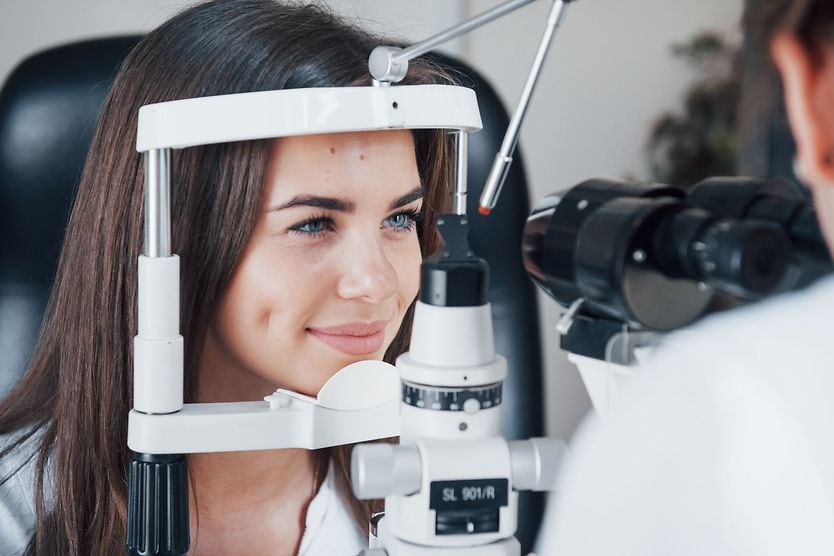
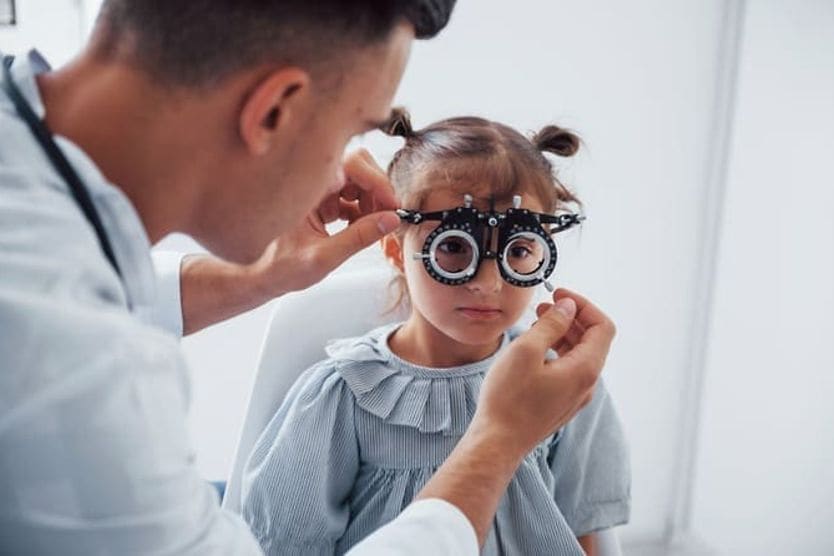
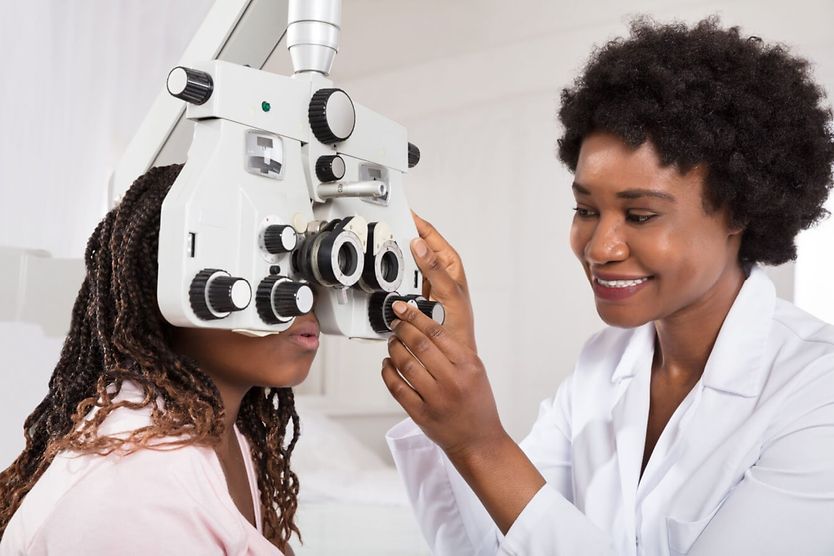
A comprehensive dilated eye exam may include:
- Tests of visual acuity
- Peripheral vision test
- Eye movement assessment
- Pupil response assessment
- Intraocular pressure (IOP) check
- External and internal examination of the eye
- Color vision tests
Some questions to ask your eye doctor are:
- What were the results of my examination?
- What could be causing my symptoms?
- What can I expect over time?
- Are there changes I should make in my daily routine?
- What symptoms should I watch for and what should I do if they occur?
- Where can I find reliable information about the condition?
- What tests do I need and are there any risks or side effects?
Following through with recommended tests, referrals and follow-up visits can help you move closer to a diagnosis. Bring a family member or friend with you to the eye doctor's office. They can help you take notes and ask questions.
Consider a second opinion
When a diagnosis is difficult to make, another eye doctor may bring expertise. Specialists usually focus on a particular part of the eye or a specific type of disease. The most appropriate specialist depends on your symptoms and previous findings. Your primary care eye doctor can help determine which type of specialist may be appropriate.
Your doctor may recommend, for example:
- A retina specialist – When the condition may involve the retina or vitreous in the back of the eye.
- A neuro-ophthalmologist – When the condition may involve the optic nerve, brain or other parts of the nervous system.
- A glaucoma specialist – When the findings suggest glaucoma or glaucoma-related optic nerve damage
- Cornea specialist – When the condition involves the clear, dome-shaped tissue at the front surface of the eye
- Cataract/Refractive surgery specialist – When the condition requires specialty training in treating complicated cataracts or surgically correcting refractive errors like myopia
Some conditions that can escape an official diagnosis for years may turn out to be inherited rather than acquired. Inherited eye diseases can begin subtly, progress slowly and look like several more common conditions along the way. This is why they are often recognized late. If your symptoms started young, affect both eyes or run in your family, it is reasonable to ask your eye doctor whether genetic testing is appropriate.
When symptoms beyond the eye are present
Some visual symptoms can be associated with a broader medical condition. Tell your eye doctor about other symptoms or changes in your health, even if you’re not sure they’re connected. Additional details that can help provide context are:
- Medical and family history
- Current medications and supplements
- Allergies
- Lifestyle habits
Keep a record of your symptoms
Symptoms that fluctuate or occur only occasionally can be difficult to describe from memory. It may help to keep a record of what you experience. This includes when it occurs, how long it lasts and whether it changes. These notes can help you provide a clearer picture of your symptoms at your appointment.
For your symptoms, consider noting:
- What the symptoms are
- When and where they occur
- How long they have been present
- Whether they have changed over time
Also keep track of information that may provide additional context, such as:
- Current medications, vitamins and supplements
- Medical and family history
- Allergies
- Lifestyle habits
- Changes in your job or daily activities
- Recent travel or new environmental exposures
Photos may also help document visible symptoms that are not present during the appointment. Document signs such as eyelid swelling or redness that come and go.
Bring your medical information to appointments
A new specialist needs to understand both what you are experiencing now and what has already been investigated.
Before the appointment, it could be helpful to gather relevant information such as:
- Previous eye examination reports
- Results from visual field tests
- Records of retinal imaging, such as optical coherence tomography (OCT)
- Laboratory and blood test results
- Reports from magnetic resonance imaging (MRI), computed tomography (CT) scans or other imaging
- A list of current medications, over-the-counter medicines, vitamins and supplements
- Previous diagnoses, surgeries and significant illnesses
- Medication allergies
- Relevant family medical and eye history
- Names of the healthcare professionals involved in your care
For some specialty evaluations, your doctor may also want to review the actual images from previous tests. If available, bring your MRI or CT scan, rather than only the written report.
Specialized programs
If extensive evaluation has not led to a diagnosis, a specialized research program may be an option in some cases.
The Undiagnosed Diseases Network (UDN) is a National Institutes of Health (NIH)-funded research study. It brings together clinical and research experts from across the United States to investigate challenging undiagnosed conditions using advanced technologies.
The UDN is a research study rather than routine medical care. Its case submission process requests information on previous evaluations and medical history. Healthcare provider information and a recommendation letter from a healthcare professional are required. Relevant medical records are also requested.
Resources for education and support for rare conditions
If a rare condition is suspected, several organizations can provide reliable information. They can also assist with research, resources and connections to support networks.
The National Organization for Rare Disorders (NORD) Database provides education, advocacy and support for people living with rare diseases and their families. It also offers information about specific conditions and links to patient organizations and other resources.
The NIH also supports several rare-disease resources, including:
- Genetic and Rare Diseases Information Center (GARD) – Information about rare diseases, specialists, research studies and patient organizations.
- Rare Diseases Registry Program (RaDaR) – Guidance and resources for developing and maintaining rare-disease registries.
- Rare Diseases Clinical Research Network (RDCRN) – Information about rare-disease research networks and clinical studies.
Know what symptoms are a medical emergency
Some symptoms should be evaluated promptly rather than watched at home.
Seek prompt eye care if you experience:
- Eye pain, particularly with redness or changes in vision.
- Persistent eye pain, redness or sensitivity to light after something gets in your eye
- Eye discharge or persistent redness.
- New or worsening blurred vision, double vision or other changes in vision.
- A sensation that something is stuck in your eye, especially after an injury or exposure.
Seek emergency care if you experience:
- Sudden partial or complete vision loss, even if it is temporary.
- Vision loss in one eye. Even if it is brief, together with a new headache, scalp tenderness, jaw pain when chewing, weakness on one side of the body or difficulty speaking — call 911 and head immediately to an emergency facility.
- A sudden increase in floaters, flashes of light, or a dark curtain or shadow across your vision, which can be signs of retinal detachment.
- A painful red eye with sudden blurred vision, particularly when eye pain occurs with nausea or headache.
- A chemical splash in the eye. It is advisable to start rinsing immediately, before anything else. Hold the eyelids open and flush with clean water or saline for at least 15 to 20 minutes, and keep rinsing while someone arranges transportation. Do not stop to look for a special eye wash. Immediate rinsing at the time of the incidence can potentially change the course of the outcome. It should be continued on the way to emergency care.
- Penetrating injury or object embedded in the eye. Specifically for an eye puncture, do not rinse it, do not press on the eye and do not try to remove the object. Cover the eye lightly without applying pressure using a plastic cup or an eye shield, then go immediately to an emergency care facility.
- Sudden double vision or suddenly appearing blind spots or distorted areas of vision.
Use reliable information without trying to diagnose yourself
Learning about your symptoms can help you understand medical terminology and prepare questions for your doctors. But finding a condition online that resembles your symptoms does not mean you have it.
Use reliable medical sources and discuss relevant information with your doctor. Online information can help you participate in your care, but it cannot replace the examination and testing needed to make a diagnosis.
Finding support while you look for answers
Living with unexplained symptoms can be difficult, particularly when they affect your vision and everyday activities.
Mental health support
If you’re feeling distressed and upset about not having a diagnosis, the Centers for Disease Control and Prevention (CDC) offers several resources to provide support.
Vision rehabilitation
Impaired vision can make it harder to read, work, use technology or manage daily activities. Vision rehabilitation and support networks can help you make better use of your vision.
Services may include:
- Assistive products and technology
- Daily living and independent living skills training
- Employment support
- Transportation services
- Emotional support
Support for the functional impact of vision impairment need not wait until every diagnostic question has been resolved. Your eye doctor or care team can help determine whether vision rehabilitation services are appropriate for your needs.
Staying connected to your care
An unclear diagnosis may take more than one visit or a specialist to resolve. Keep your follow-up appointments, bring updated information about your symptoms, and let your doctors know about any new or worsening changes.
Even when the cause is not yet clear, ongoing care can help address symptoms, identify changes that need attention, and connect you with appropriate support while the evaluation continues.
On this page:
Why an eye problem could be difficult to diagnose
Ask what is known and what should happen next
Consider a second opinion
When symptoms beyond the eye are present
Keep a record of your symptoms
Bring your medical information to appointments
Specialized programs
Resources for education and support for rare conditions
Know what symptoms are a medical emergency
Use reliable information without trying to diagnose yourself
Finding support while you look for answers
On this page:
Why an eye problem could be difficult to diagnose
Ask what is known and what should happen next
Consider a second opinion
When symptoms beyond the eye are present
Keep a record of your symptoms
Bring your medical information to appointments
Specialized programs
Resources for education and support for rare conditions
Know what symptoms are a medical emergency
Use reliable information without trying to diagnose yourself
Finding support while you look for answers