Eye color explained: Why your eyes look the way they do


On this page
What determines eye color?
What are all the eye colors?
What is the most common eye color?
Which eye color is the rarest?
Is it possible to have more than one eye color?
Can eye color change?
Is it possible to change your eye color?
On this page
What determines eye color?
What are all the eye colors?
What is the most common eye color?
Which eye color is the rarest?
Is it possible to have more than one eye color?
Can eye color change?
Is it possible to change your eye color?
What determines eye color?
Eye color depends on how much pigment you have in the iris — the eye structure that surrounds the pupil and is often called the colored part of the eye. There is one pigment that determines eye color: melanin.
There are two main factors that determine a person’s eye color: the amount of melanin in the back layers of the iris (pigment epithelium) and the number and arrangement of the cells that make melanin in the front of the iris (stroma).
The role of melanin in eye colors
The color of your eyes depends on how much melanin there is in your iris, as well as the ratio of two types of melanin: eumelanin (which causes black and brown coloring) and pheomelanin (which causes lighter brown and reddish coloring).
These factors affect how the iris absorbs and scatters different wavelengths of light, influencing eye color. Here are some examples:
- People with brown eyes have more melanin overall and a higher ratio of eumelanin to pheomelanin.
- People with blue eyes have much less melanin overall and relatively more pheomelanin. This causes the iris to reflect shorter light wavelengths — the same effect that makes the sky or ocean look blue.
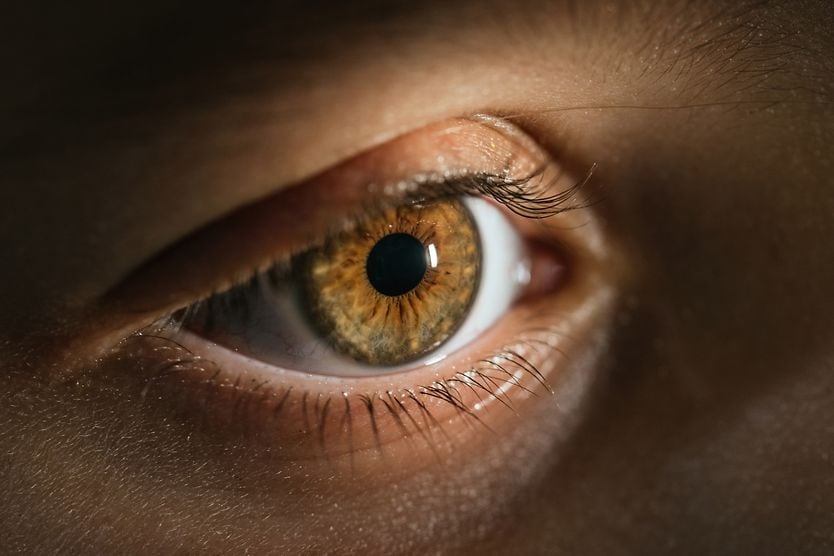
- People with hazel eyes have more pheomelanin in the iris than people with blue eyes. This causes some of the light that hits the iris to scatter in a way that can make the eyes look brownish green or speckled.
In addition to melanin, the way light gets absorbed or scattered when it reaches the iris plays a big part in eye color.
How genetics affects your eye color
Eye color is genetic, and a child’s eye color is influenced by the color of their parents’ eyes. However, it isn’t just a blend of the parents’ eye colors, like mixing paint.
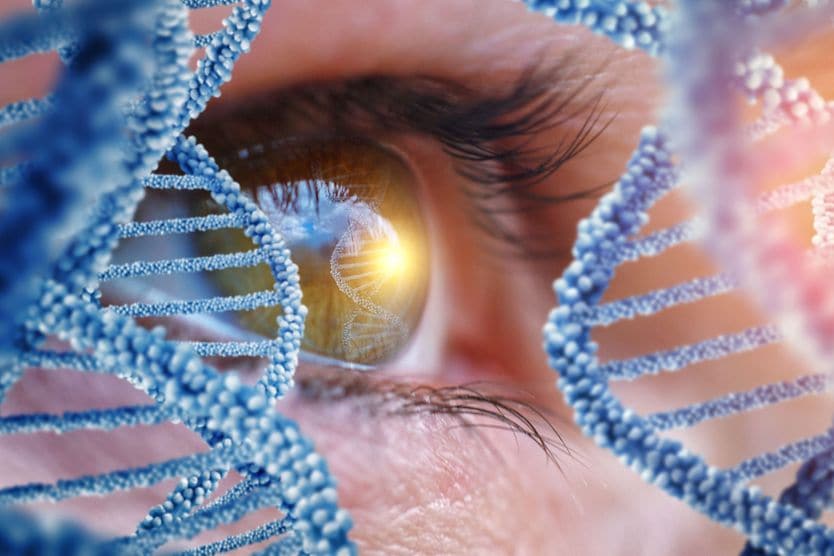
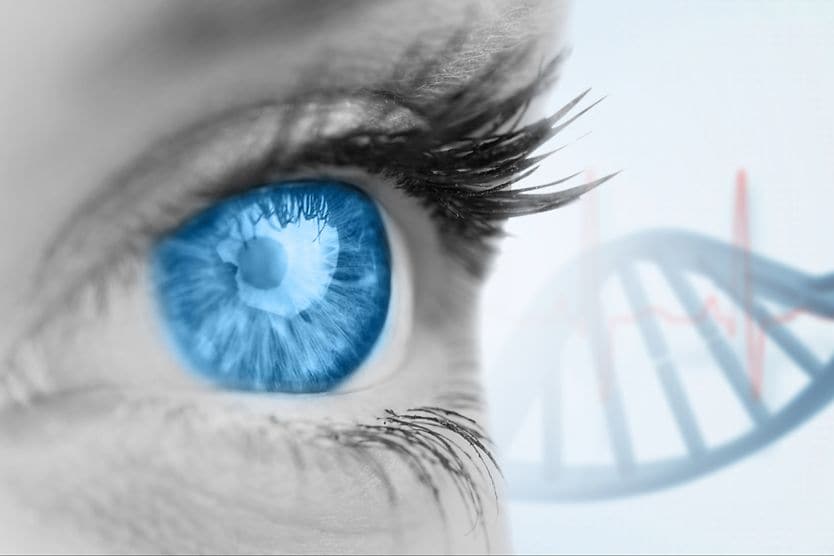
More than 10 different genes could play a part in determining eye color, and some may also affect hair and skin color. Most of the genes that influence eye color affect how melanin is produced, transported or stored in the body.
At one time, brown eye color was considered “dominant” and blue eye color was considered a “recessive” trait. But modern science has shown that eye color is not that simple. Parents’ genes can mix and match in many different ways, and their influences on eye color aren’t fully known.
A genetic condition called albinism causes greatly reduced melanin production, affecting eye appearance. There are multiple types of albinism, including ocular albinism, in which a lack of melanin occurs only in the eyes.
READ MORE about eye color genetics
What are all the eye colors?
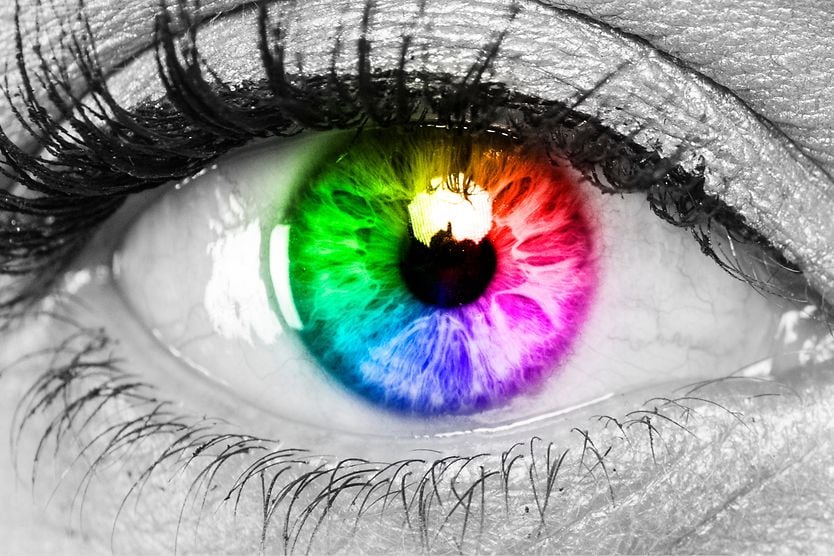
It’s a common misconception that there are only a handful of eye colors, such as brown, blue and hazel. The reality is that there are many different variations, and each person’s eye color is 100% unique, much like a fingerprint.
However, for the sake of categorization, eye colors can be broken down into shades of:
- Brown
- Amber
- Hazel
- Gray
- Blue
- Green
There are also combinations of some of these eye colors, such as bluish gray or grayish green. Hazel could be considered a mix of brown, green and amber.
Keep in mind that eye colors are not caused by separate color pigments. Instead, your eye color is created mainly by the amount and type of melanin in your iris, the structure of the colored part of your eye, and light scattering or absorption resulting from those traits.
What is the most common eye color?
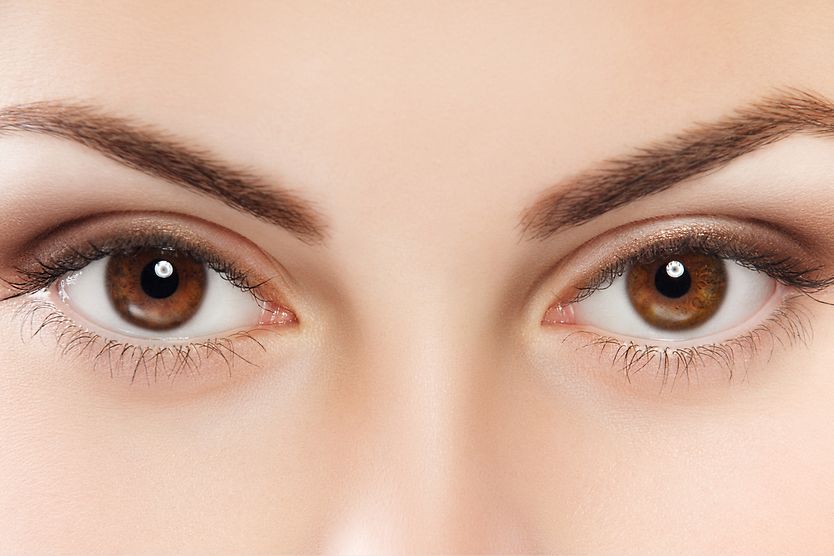
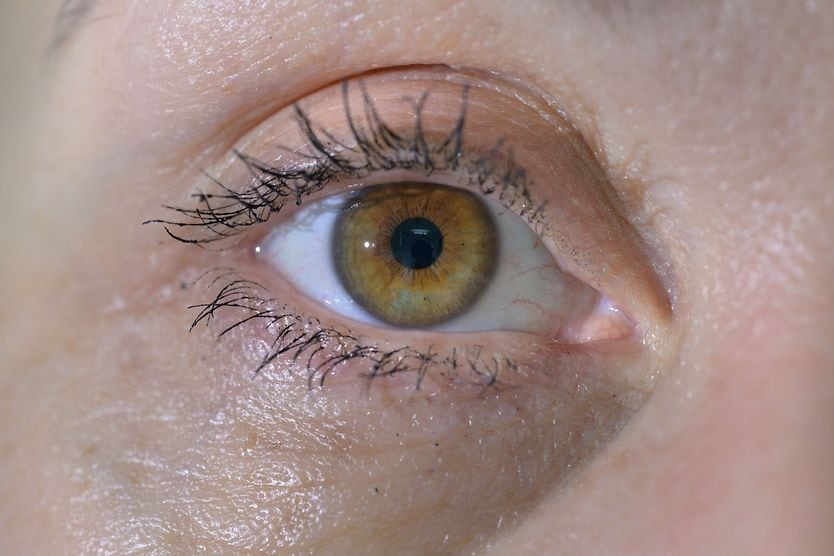
Brown is the most common eye color worldwide. There are many shades of brown eye color. Also, the prevalence of eye colors varies by population and/or location. Most people in Africa and Asia have dark brown eyes.
In the United States, about 53% of the population has brown eyes (all shades, from amber to brown eyes so dark they could be considered black), according to a study that examined more than 230 million driver’s licenses from 31 states.
Eye colors come in many different shades, hues and variations. Eye colors that can be considered brown eyes include:
- Black-brown eyes
- Dark brown eyes
- Medium brown eyes
- “Honey brown” eyes
- Amber eyes
Even hazel eye color is sometimes considered a shade of brown.
Which eye color is the rarest?
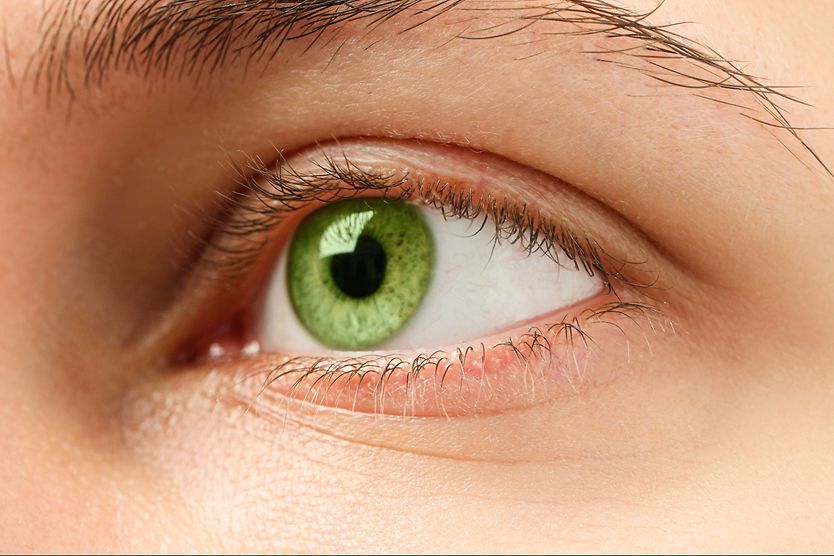
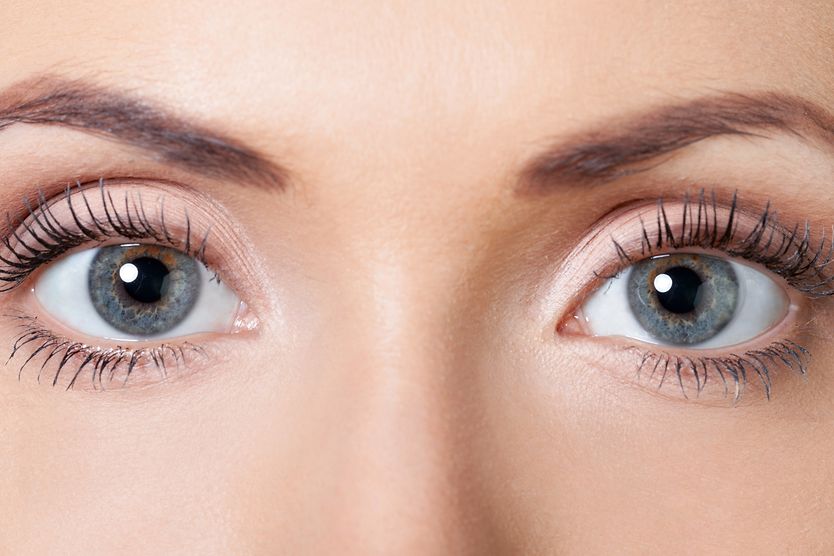
Gray is considered to be the rarest naturally occurring eye color, though this can vary by place and population. In the United States, less than 1% of the population has gray eyes, according to the driver’s license eye color study. About 9% of the population has green eyes, the next rarest color in the country.
Researchers have found that only about 2% of the world’s population has green eyes, and even fewer people have gray eyes.
READ MORE about the rarest eye colors
Is it possible to have more than one eye color?
If you look closely, many people have significant variations in eye color in different parts of the iris. This is normal and is caused by tissue variations in the iris.
It’s also possible to have a variation called heterochromia, meaning there are two different eye colors, or segments of colors, in the same eye. Sometimes, heterochromia can be so significant that one eye is a different color from the other. This is known as complete heterochromia.
Some people can also have a pigment “freckle” (called a nevus) on one part of their iris. In rare cases, infants with different-colored eyes may have a condition called Horner’s syndrome.
If you notice anything unusual about your eye color, or if your adult eye color changes, see an eye doctor to determine the cause.
Can eye color change?
Sometimes, yes.
Many non-Hispanic, Caucasian babies are born with blue eyes. In some cases, a baby’s eyes will darken or change color completely over time. This is caused by more melanin developing in the iris during infancy and early childhood. So, a child born with light blue eyes may end up with darker blue eyes or even brown eyes.
Eye color typically starts to change when a baby is between 3 and 9 months old and stabilizes by 6 years of age. However, a subpopulation of 10% to 15% of Caucasians may experience changes in eye color through adolescence and into adulthood.
Eye color can also appear different with a change in clothing, lighting or pupil size. However, this is not a true change of eye color.
Eye color changes with age
While a small percentage of people can experience eye color changes throughout childhood and into adulthood, most eye color changes in children or adults are unusual.
If eye color does change in older children or adults, it may be due to eye injury, a medical condition or certain medications. Other factors, such as a change in lighting and pupil enlargement, can create the illusion of an eye color change.
Eye color changes related to medical conditions
Medical conditions can cause an eye color change in adults, older children or teens. Some of these conditions are harmless while others may require treatment or even immediate medical attention.
Conditions that can cause a change of eye color include iris freckles, pigment dispersion syndrome (PDS), uveitis, Horner’s syndrome or trauma to the eye.
If you experience a sudden, uneven or progressive eye color change, see an eye doctor for a comprehensive eye exam and evaluation.
Is it possible to change your eye color?
It is possible to change your eye color through eye color change surgery. However, this surgery is not approved for cosmetic use and can lead to infection, vision impairment, sensitivity to light and other eye problems. Some patients also report that they’re not happy with their eye color after surgery.
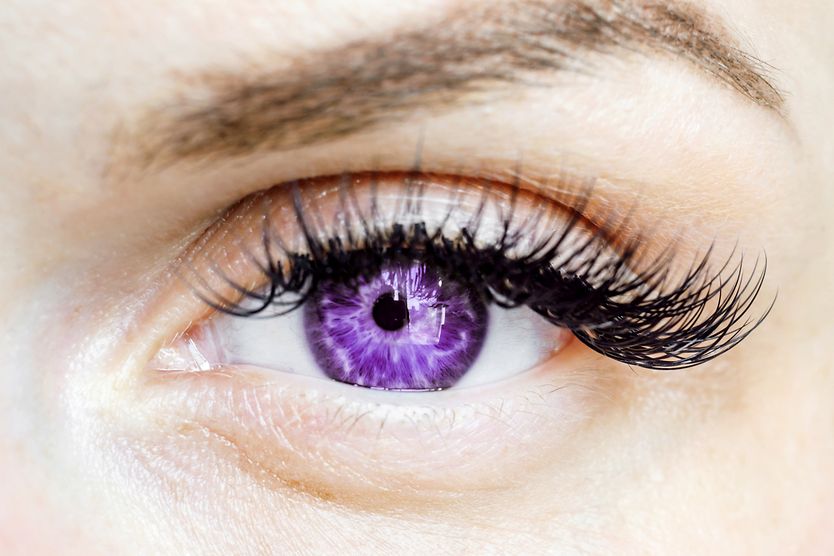
You can change your eye color temporarily with colored contacts, which come in a range of colors and shades, from muted to vivid. Colored contacts also allow you to try out exceedingly rare eye colors, like violet or gray.
It’s important to know that colored contacts are medical devices and require a prescription. If you plan to use colored contacts to change your eye color, see an eye doctor for a contact lens exam and fitting. Keep in mind that colored contacts may be sold illegally online, in flea markets or in convenience stores. Make sure to buy your contacts from a legitimate source.
On this page:
What determines eye color?
What are all the eye colors?
What is the most common eye color?
Which eye color is the rarest?
Is it possible to have more than one eye color?
Can eye color change?
Is it possible to change your eye color?
On this page:
What determines eye color?
What are all the eye colors?
What is the most common eye color?
Which eye color is the rarest?
Is it possible to have more than one eye color?
Can eye color change?
Is it possible to change your eye color?