What is my face shape? Use this guide to find out what glasses suit you

Find glasses that flatter your face shape
It can feel a little overwhelming when it comes time to choose new glasses frames after your annual vision test with the eye doctor. Of course, it’s exciting to imagine your new look, but it can feel like there are just too many styles from which to choose.
When you’re looking for attractive eyewear, you might note how well a particular style suited a friend with a different face shape. You try on a similar frame shape — but it just doesn’t look good on you.
Before you start shopping for new eyewear, it’s a good idea to understand what style will flatter your face, and determining your facial shape is a great place to start.
Once you’ve determined the shape of your face, you can stick to trying on frame styles that are known to compliment that face shape. For example, circular frames look great on heart-shaped faces with a high cheekbone; while full-rimmed, rectangular glasses flatter a round face shape.
Understanding your face shape and how to compliment it will help simplify your shopping experience — and may help you find the perfect glasses for your face shape.
SEE RELATED: Glasses for round faces
The face shapes are relatively standard terms when choosing glasses. But it is difficult to know what glasses will suit you if you are not sure about your face shape. An effective way to resolve this problem is to use the available tools to do a quick analysis.
You can use several methods to determine what shape your face is when you have the right tools. You can:
- Use an online visual guide.
- Take a “What is my face shape?” quiz.
Explore your options in this guide to decide which tool is convenient for you. You may want to try both of these methods and then compare the responses to ensure that you have the right answer.
Use an online visual guide
You can find out your face shape by examining a visual guide. This particular option details face shapes and provides images to help you recognize what your face shape is.
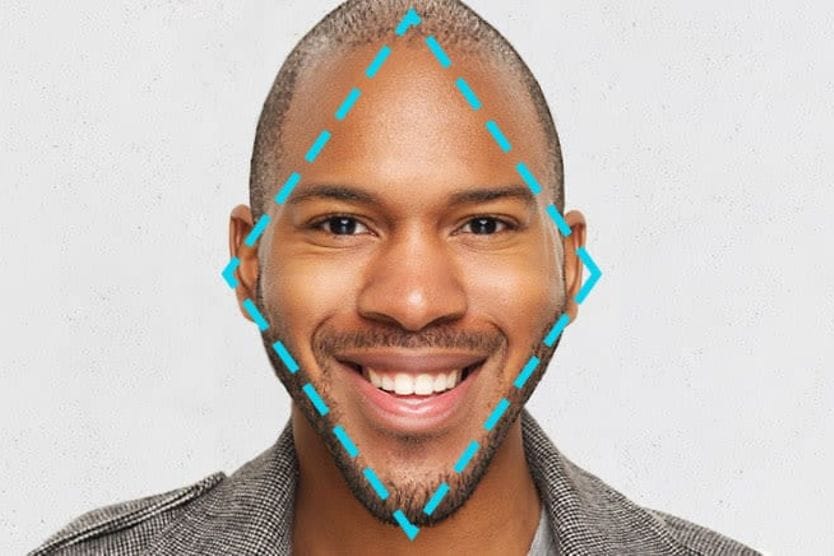
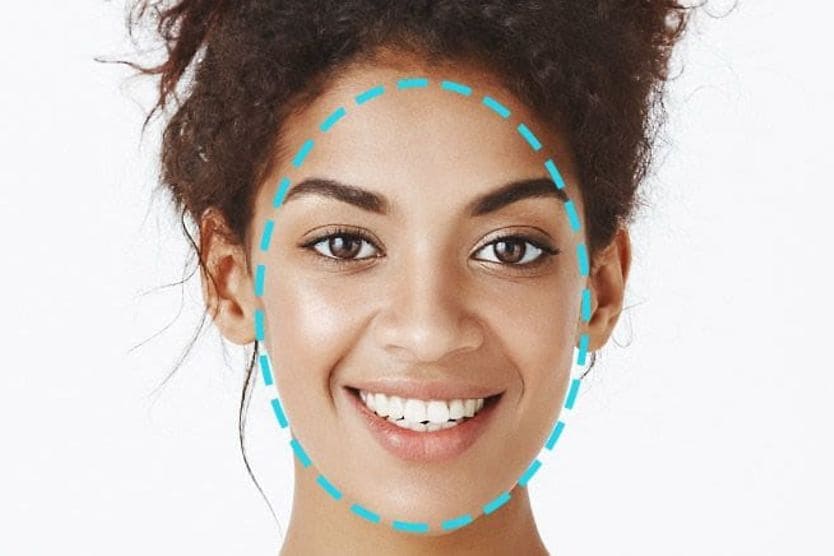
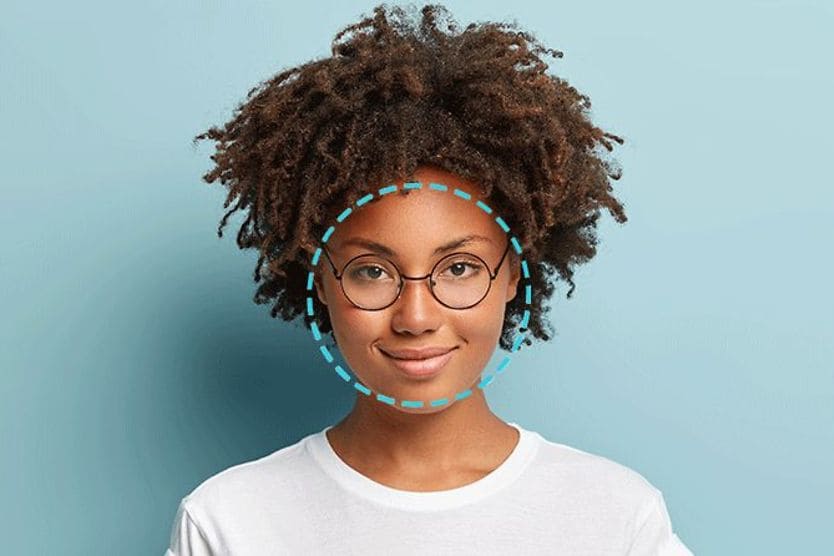
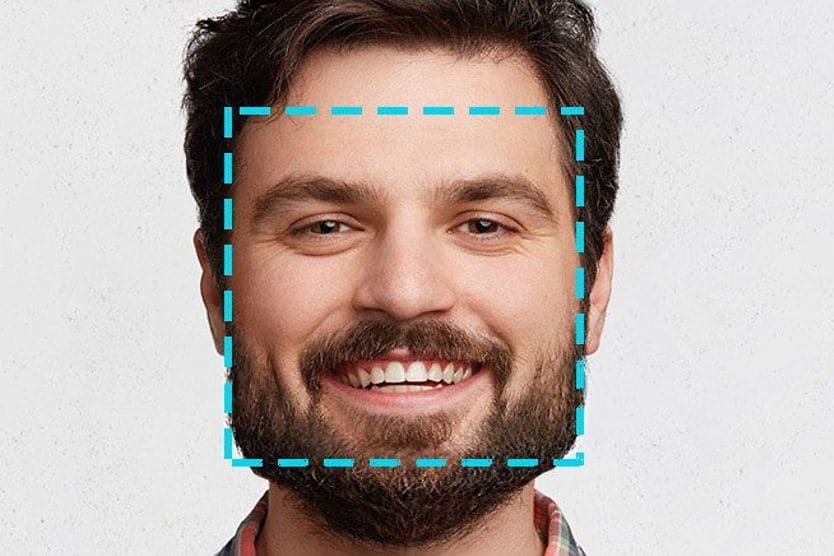
The different face shapes include oval, square, rectangular, round, diamond, heart and triangular.
This type of guide may even provide you with tips on how the color of your eyes, skin and hair (length, hairline, etc.) can impact your choice of glasses style.
A visual map of your face shape and other elements is paired with further suggestions to help you decide on glasses styles and colors.
If you decide that you want more information after browsing through these tips, try using an online quiz to determine your face shape.
SEE RELATED: Glasses for an oval face shape
How to make sure your new glasses will actually fit your face
Even after finding out details about your face shape and what frames may suit you, there are other issues to consider. You will still need your facial measurements to place an online order for the glasses size to match your features.
Consider these issues before placing your order:
Frame size
Frames sizes are indicated by three numbers: the lens width, the bridge width across your nose and the temple length. The lens width is shown first. It’s the width of one lens in millimeters. The next number is the bridge width, or the distance between the lenses, in millimeters. The lens width and bridge width are usually separated by a small square. The last number is the temple length, or the length of the arm that goes back to your ears, also in millimeters.
So for a lens width of 54 mm, a bridge width of 15 mm and a temple length of 143 mm the frame size would look something like this: 54 □ 15 - 143.
READ MORE: How do I measure my glasses?
Lens height
Measuring the lens height is straightforward. This measurement is indicated when you shop for glasses online to help give you an idea of the style that will complement your appearance. It’s not normally part of the measurements that indicate how a frame will fit, though.
Pupillary distance
When looking for confirmation about your face’s shape, you may also need to think about the distance between your pupils. The PD is equally essential to the function and the aesthetics of the glasses style chosen for your vision. Your PD measurement needs to be accurate so that the lenses will promote clear vision.
The accuracy of this measurement is especially vital if you need bifocal, trifocal or progressive lenses. If your PD is too large or too small you will experience distortion of your vision, and your glasses won’t work like they are supposed to.
An online store will generally show you how to measure your pupillary distance and will offer tips for what glasses styles will work for you in a specific PD range.
Weight and frame material
The glasses’ weight is a critical factor because the frame must match the weight of the lenses. A sturdier frame is suited to thicker lenses, while a more delicate frame is appropriate for thinner lenses. Your correction values will often determine how thick the lenses need to be, whether you are nearsighted or farsighted. Check an online store that you want to shop to see if they provide advice to help you make the right decision.
Additional guidance
Look for additional guidance to indicate if the glasses style is appropriate for use with bifocal, trifocal or progressive lenses. You should also check whether the frame is available with or without comfortable nose pads.
Lifestyle choices
Think of the purpose of your glasses once you are sure that you know your face’s shape. Do you want to order special glasses when you play sports, work in front of a screen for long hours, or do you just need them for regular daily wear?
The purpose of the glasses will make a difference to the style that you select. For example, sunglass styles are often larger than clear glasses. Sports glasses should typically be more hard-wearing to withstand high-level physical activity. If you wear reading glasses, you might also want to find a style that complements your facial features and shape — though the aesthetic element may be less critical.
READ MORE: Choosing eyeglasses that suit your personality and lifestyle
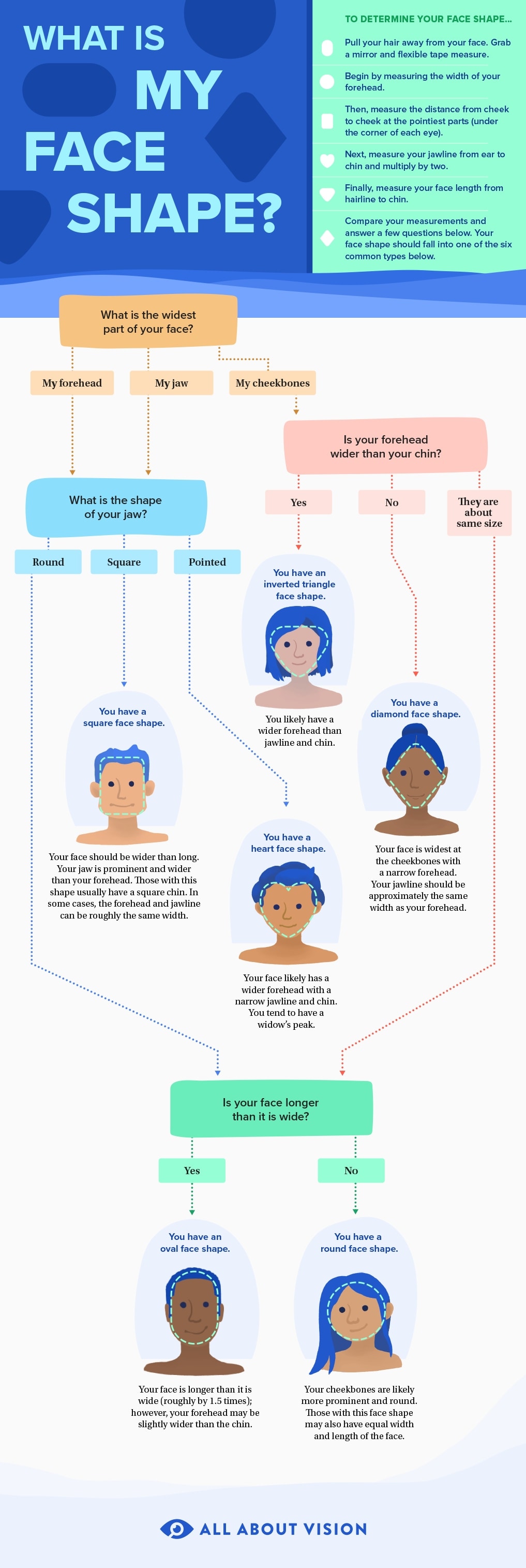
Click infographic to expand