How much do contact lenses cost?
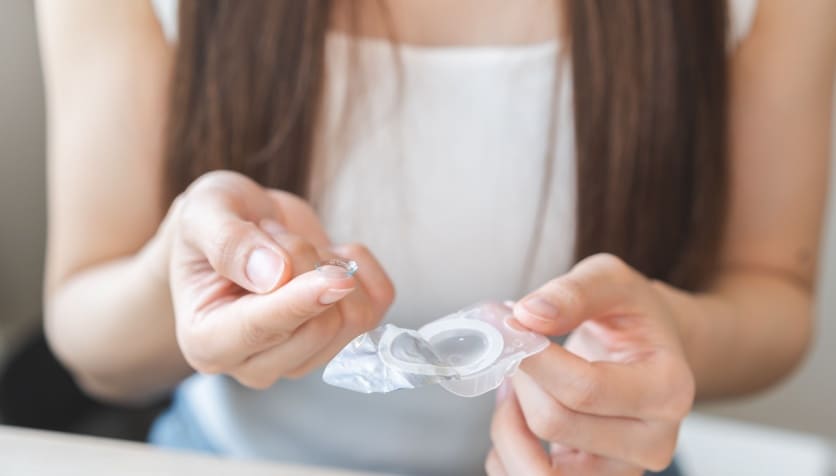

How much contacts cost depends on many factors, including your contact lens prescription, the type of contacts you choose and where you buy them.
Other factors that can affect your contact lens costs include your vision insurance coverage, discounts for buying a year's supply at once and how frequently you replace your lenses.
"Ballpark estimates" of contact lens costs
Because many factors affect contact lens cost and prices frequently change, it's difficult to describe lens costs accurately.
A number of details can increase how much contacts cost, including:
Astigmatism. Contact lenses that correct astigmatism can cost more than soft contacts that only correct nearsightedness or farsightedness. In some cases, eye doctors recommend replacing toric lenses less frequently, which can lower this cost.
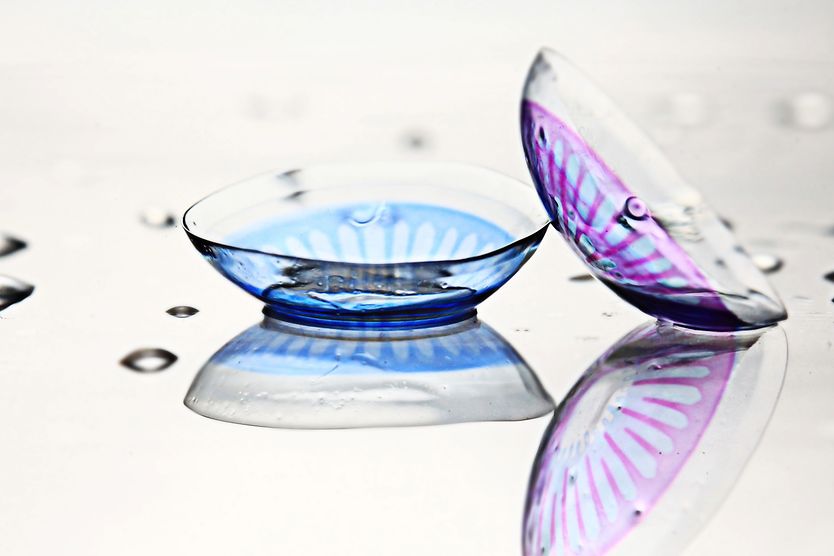
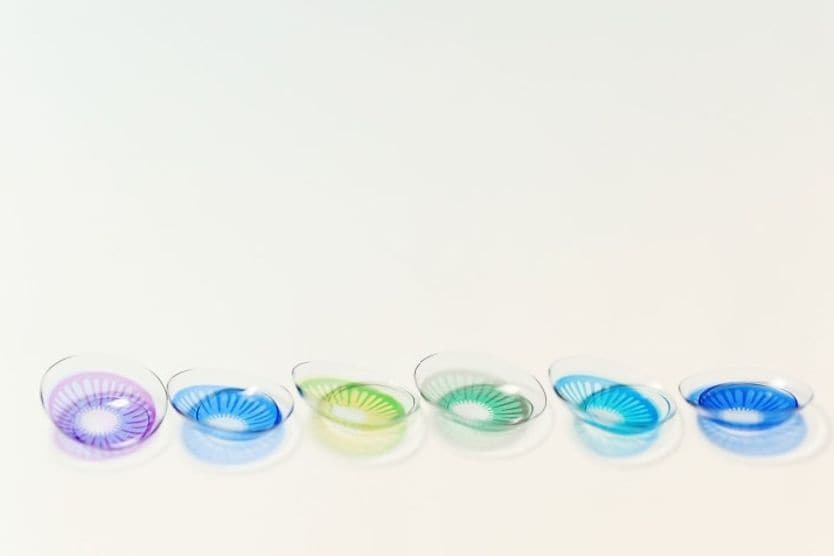
Colored contacts. Tinted soft contact lenses to enhance or temporarily change your eye color are usually more expensive than clear lenses or lenses with only a faint handling tint (which helps you see the lens in your storage case or helps you find the lens if you drop it). Colored contacts that correct astigmatism can cost more.
Special-effect contact lenses. Special-effect contacts (also called theatrical contact lenses, costume contacts and gothic contact lenses) are popular for Halloween and costume parties. These lenses are typically sold separately in individual glass vials. Beware of low-cost, special-effect contacts sold online. It's not recommended to wear contacts that haven't been fitted by an eye care professional due to safety concerns. And some of these low-cost contacts aren't approved by the FDA.
Presbyopia. If you are over age 40 and need bifocals, there are a number of contact lens options to correct presbyopia.
Daily disposable contacts. Daily disposable lenses are designed to be discarded after a single use. These lenses typically are sold in boxes of 30 lenses, but buying in boxes of 90 lenses or purchasing a full-year supply can reduce how much these lenses cost.
Extended wear (30-day) silicone hydrogel contacts. Silicone hydrogel soft contacts that are designed for up to 30 days of continuous wear will come in a box of six lenses. Many people who purchase these lenses buy about three boxes per eye annually. (This is because they may replace the lenses more frequently than every 30 days.)
Gas permeable contact lenses. Rigid gas permeable contacts are custom-made for each patient. Because they are not mass-produced like soft contacts, gas permeable (GP) lenses are generally more expensive than soft lenses (on a per-lens basis). But a single pair of GP lenses can last a whole year. So, the annual cost of wearing gas permeable lenses is often comparable with the cost of soft contacts. Ask your eye doctor for a cost comparison of GP vs. soft contacts for your specific visual needs.
Custom contacts. Custom-made contact lenses are available in both gas permeable and soft lens materials. Commonly prescribed custom GP lenses are designed to correct vision problems caused by keratoconus and other hard-to-fit-eyes. Custom contact lenses are often significantly more costly than conventional GP or soft lenses. Again, consult your eye doctor for the cost of custom contacts for your specific needs.
RELATED READING: Are cheap contacts a good idea?
Cost of contact lens solutions
Don't forget about the cost of contact lens solutions to clean and disinfect your lenses. If you wear contacts on a daily wear basis and clean and disinfect them after each use.
An exception to this is calculating how much daily disposable contacts cost on an annual basis. Since you discard these lenses after each use, you usually don't need to buy contact lens solutions if you wear these lenses.
It's a good idea, though, to keep a bottle of contact lens solution handy if you wear daily disposable contacts, in case you need to rinse or rewet your lenses during the day. This can be especially true if you live or work in a dry, dusty environment.