Treating your infant’s or child’s red or bloodshot eyes

Identify the cause of red eye
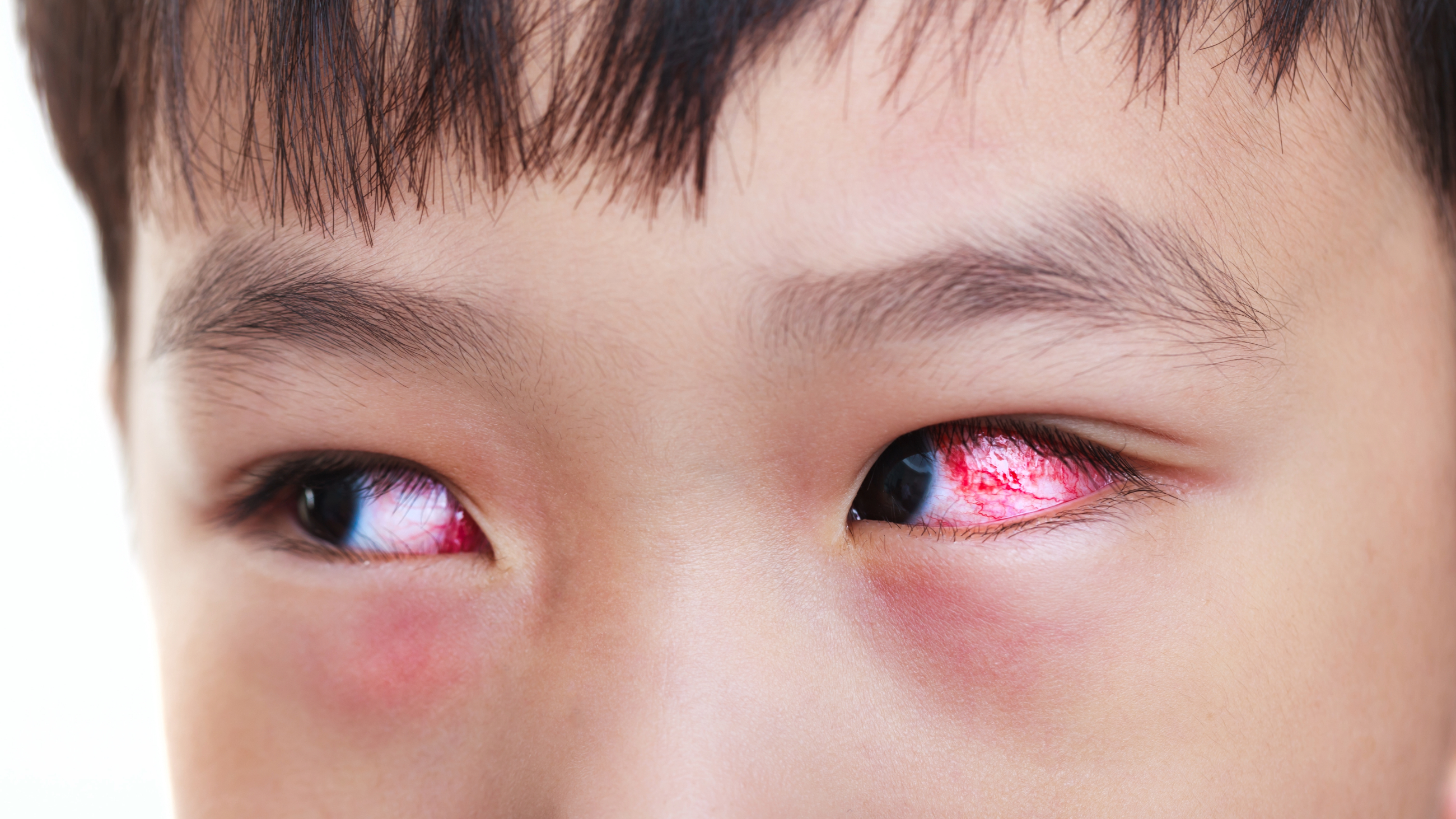
Tracing the cause of your baby’s or child’s red eye is important to help determine how it should be treated.
Was your child’s red eye caused by a foreign object or an injury? Maybe an illness or allergies? Treatment may vary depending on the answer.
If you are not sure what caused the redness, the following list of common causes of red eye in kids and babies can help you narrow it down:
- Sports or activity-related eye injury
- Foreign object — primarily relevant if redness only affects one eye
- Illness such as fever, cold or flu
- Conjunctivitis (pink eye): bacterial, viral or allergic conjunctivitis
- Allergic reaction or sensitivity to food
- Irritation from soap, cosmetics, sunscreen, old contact solution, etc.
- Overusing eye drops
- General tiredness
- Environmental factors such as smoke, smog, dust or chlorine from pools
- Dry eyes caused by eye strain, dry eye syndrome or psychological factors, including stress
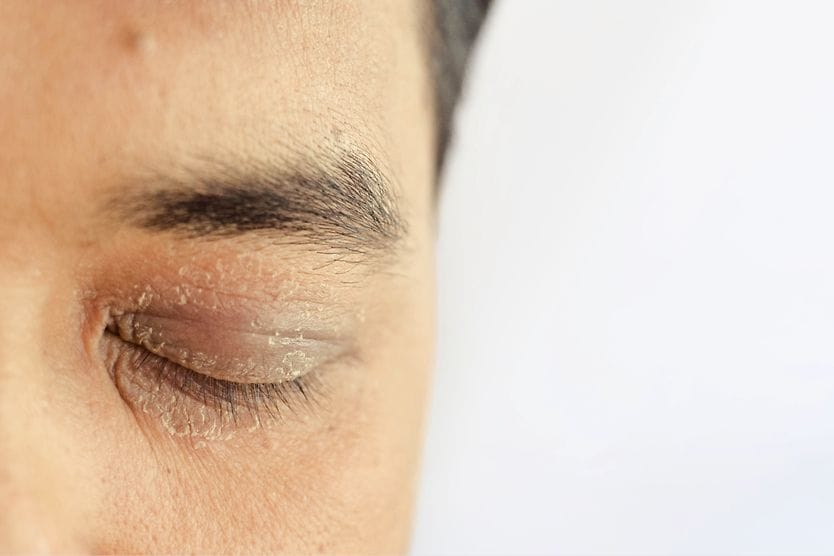
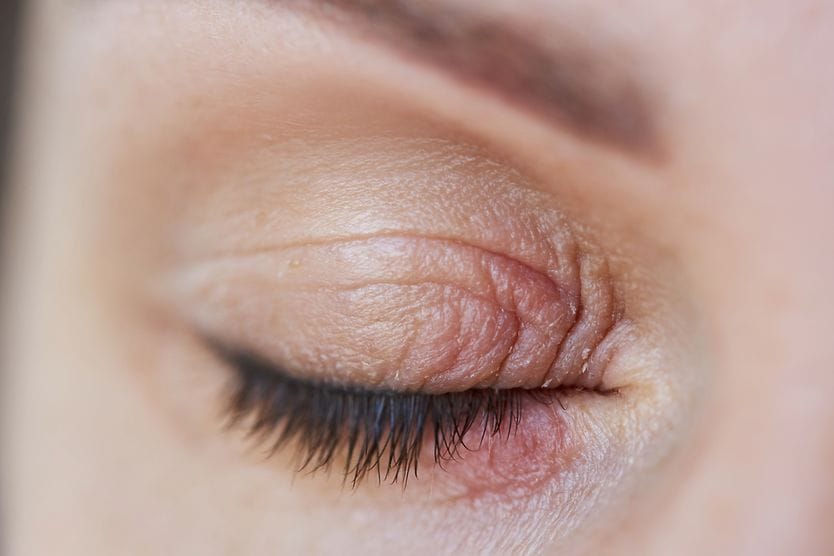
- Pre-existing or new eye conditions, including blepharitis
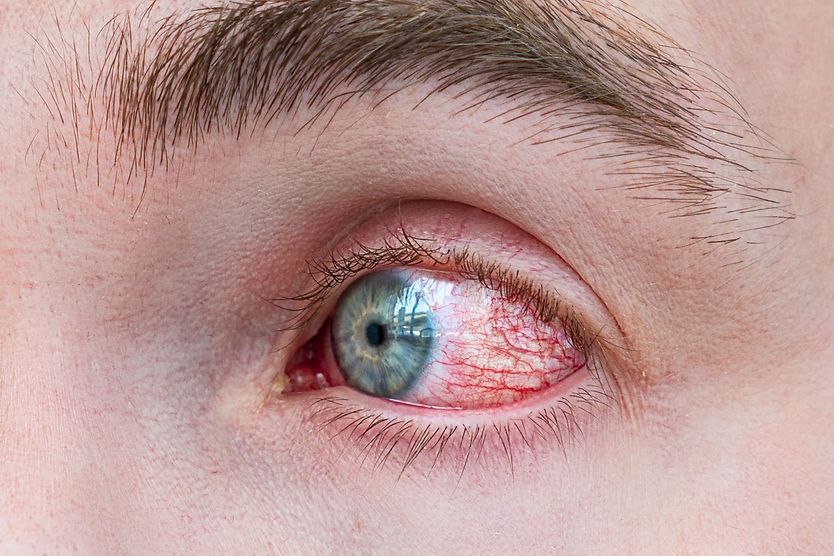
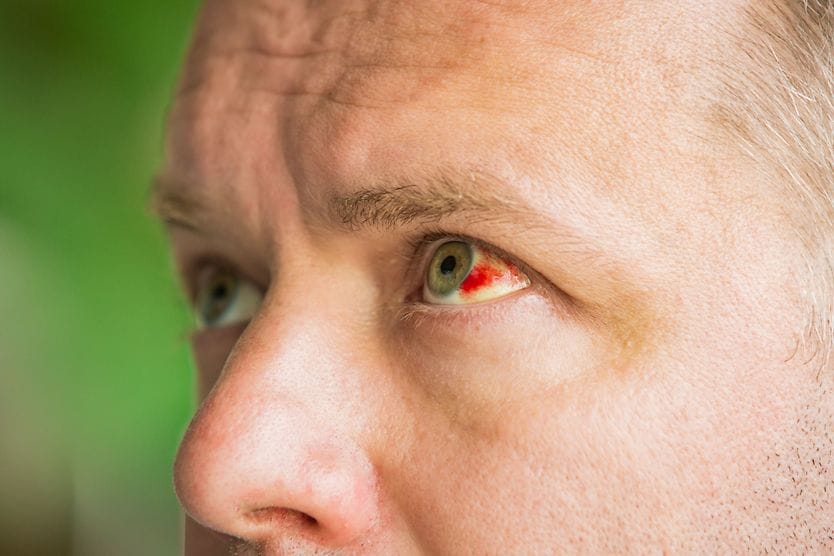
A subconjunctival hemorrhage is another possible cause when one side of the eye is red. This happens when a small blood vessel breaks, causing a bright red spot or patch over the white of the eye.
In children, coughing, sneezing, vomiting or straining can sometimes trigger a subconjunctival hemorrhage. Although the redness can look concerning, it is usually harmless and typically clears on its own.
Less common causes of red eye in children
Some inflammatory eye conditions can also cause red eyes in babies and children, but they are typically less common. These include:
- Iritis – Inflammation of the iris, or colored part of the eye, that can cause redness, pain and light sensitivity.
- Anterior Scleritis – Inflammation of the white part of the eye that can cause redness and pain. Scleritis is uncommon among children.
- Episcleritis – Inflammation of the tissue covering the white part of the eye that causes redness and mild discomfort. It is rare in children, especially those under age 5.
An eye doctor can determine whether one of these conditions or another problem is causing your child’s red eye and recommend appropriate treatment.
Preventing red eye in your child
Sometimes redness is hard to predict, and in some cases, it may be inevitable. However, there are certain behaviors that can lead to red eye, which can be prevented.
Handle contact lenses with care
Kids who wear contact lenses should handle them with proper care and clean them with solution as a regular practice, as well as a preventive measure for red eye. Some solutions can be irritating and cause redness. If lenses are not cleaned properly, eyes can also become agitated.
If your child wears contacts and experiences redness or irritation, it's recommended that they switch to eyeglasses. This will take some pressure away from the eyes and can prevent additional discomfort.
Treat eye-related allergies appropriately
If your child suffers from allergies, certain allergy medications can reduce eye irritation. Eye drops can also help manage eye-related symptoms of allergies, as long as they are not overused.
Aside from your kid’s allergies, try to avoid other eye irritants, including pollen, dust, pet dander, chlorine, smoke and dirt.
Limit screen time
Excessive time on digital devices can also cause digital eye strain in children, which can lead to dry and red eyes. Managing your kid’s time with watching TV, playing video games and doing other activities on a handheld tablet is another preventive measure to consider for red eye.
Get enough sleep
Not getting enough sleep can decrease the amount of tears your eyes produce and possibly increase blood flow in the eyes. This can leave your eyes feeling dry and looking red, especially upon waking up.
Making sure your child is getting enough sleep can help with proper tear production to reduce redness.
SEE RELATED: Children and technology: Protecting your child's eyes
Treating your child’s red eye at home
Can you treat your baby’s or your child’s red eye at home? Every situation is different, but each one requires appropriate care.
Some children may respond well to over-the-counter eye drops and may not need additional medical attention. Other children, particularly infants, may require further care for their condition.
- Remove contact lenses: If your child wears contact lenses, suggest they wear eyeglasses until the irritation and redness goes away.
- Computer glasses: Utilize prescription computer glasses when eye redness is caused by digital eye strain.
- Avoid irritants: Be sure to protect your kid’s and baby’s eyes from smoke, pollen, pet dander, chlorine, dust and any known allergens.
- Eyelid rinse: Rinse the eyelid(s) with warm water for up to five minutes.
- Cold compresses: Soak a washcloth in cold water for several minutes, squeeze out excess water and place over the eyes. Ice packs are suitable as well, but there should be a cloth buffer between the eyes and the ice packs.
- Warm compresses: Soak a washcloth in hot water for several minutes, squeeze out excess water, and apply to the eyes. NOTE: Avoid placing a hot rag over your eyes; wait until it’s comfortably warm.
Keep in mind that red eye can be a sign of and/or lead to other problems, including pink eye and other eye infections. Certain serious infections that cause eye redness may require surgery.
Depending on the severity of your child’s red eye, you may need to schedule an appointment with an eye doctor. In the meantime, consider limiting their contact with others. If a serious infection develops, it may also be necessary to keep them home from school and other social activities (and, again, get them to an eye doctor).
SEE RELATED: Epiblepharon
When to call a doctor
Whether red eye comes on rapidly or is an ongoing problem, it is recommended that your child see an eye doctor to address the condition. Since there are so many potential reasons for your child's red eye, it is helpful to have a medical professional determine the underlying cause and direct you to the proper treatment.
If you can’t see an eye doctor for a while, there are over-the-counter lubricating eye drops and natural tears that can help relieve pain and redness in the meantime. Preservative-free drops are the optimal choice.
Note: Be wary of “whitening” and “red eye remover” drops, as they can contain drugs called vasoconstrictors, which shrink blood vessels. Misuse of these drops can cause more problems in your child’s eyes than they had to begin with.
If your child’s red eye worsens, new symptoms develop, or if treatment such as eye drops does not prove to be helpful, see an eye doctor near you as soon as possible.