Tick-borne diseases and your eyes: What you need to know about Lyme disease and more

It’s summer, the season of outdoor hikes, barbecues, picnics, walks on the beach and fireside chats after dark.
Yet this year, we’ve entered perhaps one of the most aggressive tick seasons in nearly a decade. According to the U.S. Centers for Disease Control and Prevention (CDC), emergency room visits for tick bites are running significantly higher than in years past across most of the United States, reaching their highest levels for this time of year since 2017.
Health officials have also warned about the growing risk of tick-borne illnesses, including Lyme disease and alpha-gal syndrome, a condition that can trigger an allergy to red meat and other foods and meat products made from mammals, which can include gelatin, dairy and certain medications after certain tick bites.
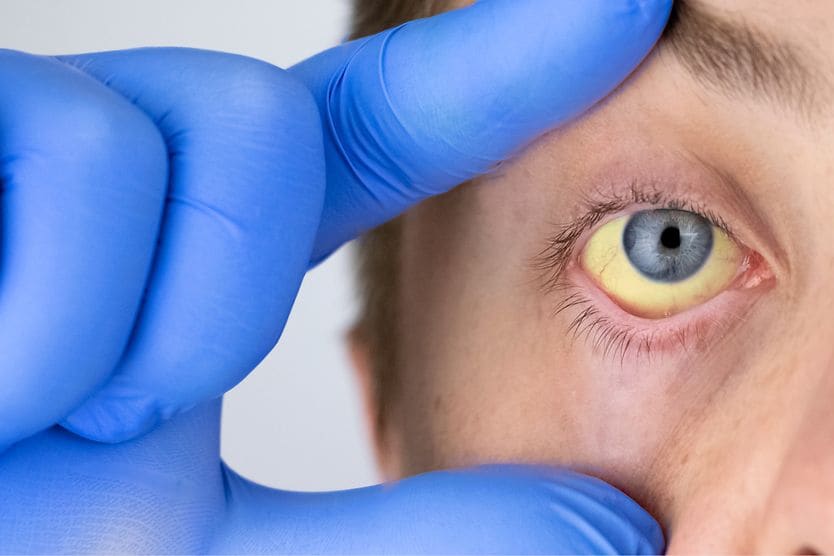
Most people associate Lyme disease with a bull’s-eye rash, fever, crushing fatigue and aching joints. But some tick-borne diseases can affect the eyes. Depending on the infection, symptoms may include blurry vision, floaters, eye redness, double vision, light sensitivity or — in rare cases — vision loss.
Karen Novick is one of an estimated 31 million Americans bitten by a tick each year and roughly 476,000 people diagnosed and treated for Lyme disease annually in the U.S. She’s also among the smaller group of people who go on to develop vision problems.
The 64-year-old Pennsylvanian remembers exactly where she found the tick. “It was on my breast,” she said with a chuckle. She removed it herself in January 2007, saved the tick and immediately called her primary care doctor to ask whether she could start preventive antibiotics.
The prescription didn’t come quickly enough. Six days later, she couldn’t get out of bed. “I had the worst flu symptoms I’ve ever had in my life,” she said. “At one point, I had to be carried from room to room. I knew it was Lyme disease off the bat.”
By the time Novick started the antibiotics, her symptoms were already in full swing. She believes the delay contributed to symptoms that continue to affect her nearly two decades later.
In fact, while Lyme disease is the best-known tick-borne disease in the U.S., other tick-borne infections, including Rocky Mountain spotted fever (RMSF), anaplasmosis and babesiosis, may also affect the eyes.
As tick populations continue to expand across the U.S. and cases of tick-borne disease rise, it’s becoming even more important to identify these lesser-known symptoms.
How tick-borne diseases can affect your eyes
Most people think of tick-borne diseases as illnesses that cause flu-like symptoms and the hallmark Lyme disease rash. But in some cases, the infection can also trigger inflammation inside the eye.
“Uveitis refers to inflammation in different parts of the eye, and tick-borne illnesses, as well as a lot of inflammatory and other infectious conditions, can cause different types of inflammation in all sorts of different areas in the eye,” said Ben Lin, MD, a retina specialist at Texas Retina Associates.
Depending on where that inflammation occurs, it can affect the front of the eye, the gel-like center of the eye, the retina, retinal blood vessels or the optic nerve, Dr. Lin said. As a result, doctors may see specific findings such as conjunctivitis (redness of the white outer part of the eye), anterior uveitis (inflammation in the front of the eye), iritis (inflammation of the iris), vitritis (inflammation in the gel-like center of the eye), optic neuritis (inflammation of the optic nerve) or even retinal inflammation.
The retina is the light-sensitive tissue lining the back of the eye, while the optic nerve carries visual information from the eye to the brain. When inflammation affects these structures, it can interfere with normal vision and, in rare cases, threaten your eyesight. Optic neuritis, in particular, tends to cause vision loss in one eye over hours to days, often with pain when you move the eye.
When eye symptoms tend to appear
Lyme disease progresses in stages. Early on, within days to weeks of the bite, the most common finding is mild conjunctivitis. It affects about one in ten people with Lyme disease and usually clears on its own.
The sight-threatening complications come later once the bacteria has spread beyond the bite site. It can be weeks to months before symptoms show. That’s when uveitis, corneal inflammation, optic neuritis and nerve palsies that cause double vision tend to appear. Researchers think these reflect both bacteria reaching the eye and an immune response that outlasts the infection.
This is why timing is so critical. Eye symptoms that begin months after a summer tick bite may not seem connected; however, to a doctor who knows the sequencing, they can be.
“Fortunately, in my 42 years of seeing over 13,000 chronically ill patients, I’ve only seen that happen a handful of times, but generally, I treat people early on before they have a lot of these neurological complications,” said Richard Horowitz, MD, a board-certified internist, Lyme disease expert and medical director of the Hudson Valley Healing Arts Center in New York.
Both Dr. Horowitz and Dr. Lin stressed that early diagnosis plays an important role in preventing long-term complications.
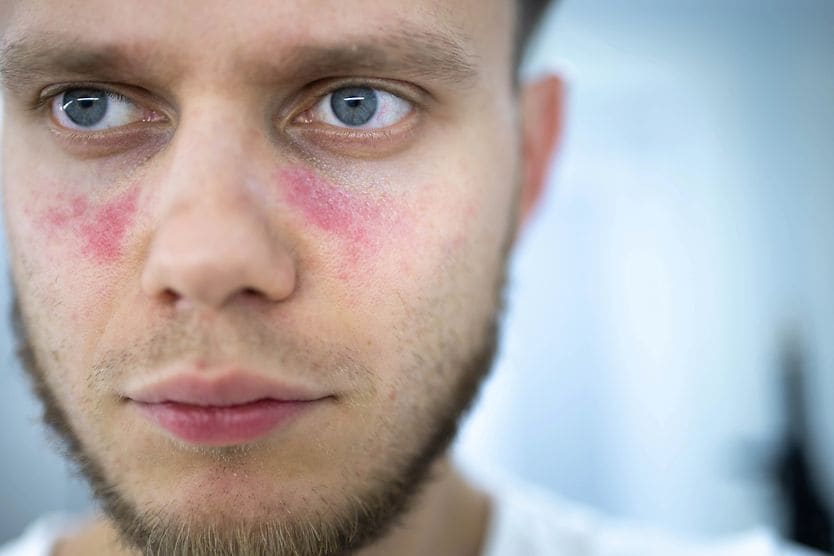
One reason Lyme disease can be difficult to recognize is that it doesn’t always appear in textbook fashion. While many people picture the classic bull’s-eye rash, Dr. Horowitz said that the characteristic erythema migrans rash appears as a bull’s-eye only about half the time. Other times, it may appear as a solid, expanding rash that resembles cellulitis, a bacterial skin infection, or even shingles.
Because of that variability in how it can manifest on the skin, “Lyme disease is a clinical diagnosis more than just a laboratory diagnosis,” Dr. Horowitz said.
Eye symptoms of Lyme and other tick-borne diseases
Ocular manifestations of Lyme disease can overlap with other eye issues and health conditions, which is why it’s important to identify the root cause of those symptoms so you can get appropriate treatment.
“Flashes and floaters are common symptoms people have when they come to a retina practice,” Dr. Lin said. You can also get floaters due to inflammation in the eye post-tick bite, he explained.
Kristina Sherk, 41, a photographer and headshot generator app creator from the Washington, D.C., area, said floaters remain one of the “lingering symptoms” she still notices today after being bitten by a tick in 2010. While they don’t necessarily interfere with her daily life, she described them as a nuisance.
Years before she was diagnosed with Lyme disease, babesiosis and bartonellosis, she developed what she initially thought was an unusually severe summer flu. She became profoundly fatigued, struggled with word retrieval and noticed persistent floaters in her vision.
While people may struggle with prolonged symptoms of tick-borne disease, there can be a challenge in some cases of medical dismissal. “My general practitioner told me I was crazy,” she said. “My GP told me it was all in my head and that chronic Lyme disease was not a thing.”
Some of the common symptoms may include:
- Blurry vision
- Floaters
- Flashes of light
- Eye redness
- Eye pain
- Sensitivity to light
- Double vision
- Reduced color vision
- Blind spots
- Vision loss
Note: If you develop new vision changes after a recent tick bite or alongside symptoms, such as fever, fatigue, headaches, muscle aches or joint pain, flashes or floaters, experts recommend seeking prompt medical evaluation. Early diagnosis and treatment can often reduce the risk of long-term complications and help protect your eyesight.
Three other tick-borne diseases that can affect vision
Lyme disease, caused by the bacterium Borrelia burgdorferi, is the tick-borne illness most commonly associated with ocular complications, but it’s not the only one. Other tick-borne infections, including RMSF and babesiosis, have also been linked to inflammation in the eyes.
Rocky Mountain spotted fever
RMSF is a bacterial tick-borne disease caused by Rickettsia rickettsii. It’s primarily spread by the American dog tick and can cause fever, headache, rash, and, in rare cases, inflammation that affects the eyes. Ocular complications may include retinal vasculitis, optic nerve swelling and vision loss.
It is also a medical emergency. Untreated, RMSF can be fatal in 20% to 25% of cases. The antibiotic doxycycline is most effective at preventing severe illness and death when started within the first five days of symptoms.
Anaplasmosis
Anaplasmosis is a bacterial tick-borne disease caused by Anaplasma phagocytophilum. It’s primarily spread by the blacklegged tick (Ixodes scapularis), the same tick that carries Lyme disease, and typically causes fever, chills, headache and muscle aches. Eye complications are rare but may include inflammation affecting the cornea and other parts of the eye.
Babesiosis
Babesiosis is a parasitic infection spread by blacklegged ticks that infects red blood cells, possibly causing anemia. Severe infections have been shown in rare cases to cause optic neuritis and retinal hemorrhages.
How doctors test for tick-borne diseases
Diagnosing a tick-borne disease is rarely straightforward. While laboratory testing can help confirm an infection, doctors also consider a person’s symptoms, when those symptoms began, possible tick exposure and other aspects of their clinical history.
The CDC recommends a two-step blood test cleared by the U.S. Food and Drug Administration (FDA). The first step screens for antibodies. If that result is positive or unclear, then a second specific test is performed.
Testing can become even more complicated because a single tick may carry more than one disease-causing pathogen. Depending on a person’s symptoms and where the tick bite occurred, doctors may evaluate for multiple tick-borne illnesses rather than Lyme disease alone.
Genuine co-infections do happen. Both Novick and Sherk, for example, weren’t just diagnosed with Lyme disease; they also have babesiosis and bartonellosis — a common co-infection of Lyme. Babesiosis and anaplasmosis are both spread by the same blacklegged tick that transmits Lyme disease, and the CDC advises doctors to consider them when someone with Lyme disease has a high fever or particular blood-test abnormalities.
Dr. Horowitz noted that multiple strains of Lyme circulate in the U.S., which can add another layer of complexity to testing. He said clinicians should interpret laboratory results alongside a patient’s symptoms and clinical history rather than relying on a single test result alone. He also recommended that providers send samples to an advanced diagnostic laboratory where they could test and identify up to nine major tick-borne strains. Ultimately, this could help point you to more targeted treatments for your specific tick-borne disease.
The timing of the test may also make a difference. Antibody tests could come back negative early on in the infection before your immune system has time to produce antibodies. If you have a rash or a known tick bite, your doctor may diagnose and treat you without waiting for the blood work results.
Because tick-borne disease can affect so many body systems at once, many patients benefit from a coordinated care team.
Provider | What they typically address
|
Primary care provider | Initial diagnosis and general treatment and coordination of care |
Rheumatologist | Muscles, bones, joints, ligaments, tendons; autoimmune conditions |
Psychiatrist/Therapist | Mental health symptoms (depression, anxiety, sleep disorders, OCD, irritability) |
Neurologist | Central nervous system complications (numbness, Bell's palsy, meningitis-like symptoms, cognitive changes) |
Gastroenterologist | Digestive system symptoms (nausea, vomiting, broader GI issues from inflammation or nerve damage) |
Cardiologist | Heart complications, including Lyme carditis |
Pulmonologist | Respiratory tract symptoms (flu-like symptoms, cough, rare cases of diaphragm paralysis) |
Optometrist/Ophthalmologist | Ocular symptoms such as conjunctivitis, uveal/corneal/iris/choroid inflammation, light sensitivity, floaters, vision loss |
Endocrinologist | Hormonal dysfunction or neuroendocrine tissue damage |
Integrative/Functional medicine practitioner | Whole-person, cross-system approach |
Naturopathic doctor | Natural/complementary approaches |
Source: What type of doctors treat tick-borne disease? Project Lyme. March 2021.
Solutions are on the horizon
There are many people like Novick and Sherk who have experienced what seems like unexplainable symptoms of tick-borne illness. Their stories are reminders to seek medical attention immediately and advocate for treatment.
Dr. Horowitz is hopeful that emerging research will provide better prevention efforts. “There are other vaccines that are now in the pipeline,” he said. One candidate from a joint effort between two pharmaceutical companies is currently in Phase 3 clinical trials and aims to prevent Lyme disease. Other researchers are also working on vaccines, notably the tick spit vaccine, that could one day protect against multiple tick-borne diseases.
For now, experts said the best approach is early recognition, prompt treatment and open communication among the health care professionals involved in your care. Because tick-borne illnesses can affect multiple parts of the body, including the eyes, patients may benefit from a collaborative care team that includes their primary care provider, eye doctor and other specialists as needed.
“My wife, who was sick for 25 years with Lyme, is eight years in full remission,” Dr. Horowitz said. “So people need to have hope. It’s not something you necessarily have to live with for the rest of your life.”
Medical Disclaimer:
The CDC and the Infectious Diseases Society of America (IDSA) do not recognize “chronic Lyme disease” as a diagnosis. Instead, they use the term Post-Treatment Lyme Disease Syndrome (PTLDS) for lingering symptoms after standard treatment. The CDC states that long-term antibiotic therapy hasn’t been shown to help with PTLDS.
If you’re experiencing ongoing symptoms after a tick-borne illness, talk with your doctor about what treatment options might be appropriate for you.