FDA approves first drug to treat thyroid eye disease


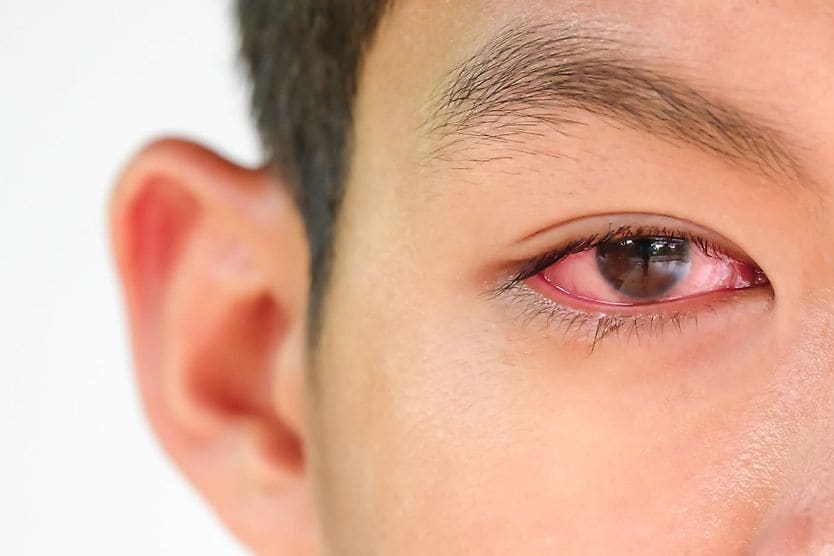
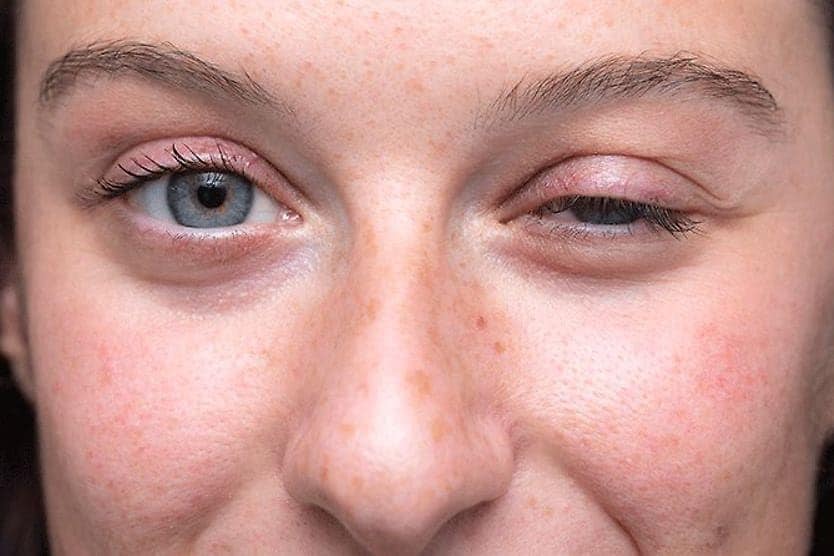
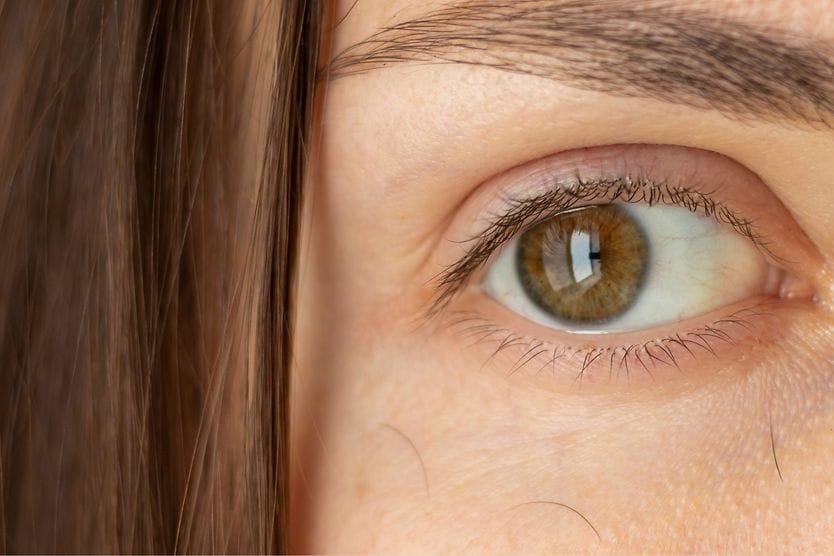
Thyroid eye disease (TED) — also called Graves’ eye disease — is a progressive autoimmune disease associated with proptosis (eye bulging), diplopia (double vision), blurred vision, pain, inflammation and facial disfigurement. Each year, about one million Americans are diagnosed with TED.
Until recently, there were limited treatment options. In January 2020, the U.S. Food and Drug Administration (FDA) approved an infusion treatment for teprotumumab, which is a class of drugs called monoclonal antibodies. Health care professionals can administer the drug once every three weeks for a total of eight infusions. There are several other drugs currently under investigation in various studies.
Monoclonal antibodies are man-made protein designed to specifically target the immune system. The cells behind the eye have a receptor (a "switch") which in the case of TED is called IGF-1R. This switch is constantly turned on, causing inflammation and eye bulging (proptosis). This class of medication is designed to block the cover for the IGF-1R switch, potentially preventing the "on" signal from getting through.
“Currently, there are very limited treatment options for this potentially debilitating disease. This treatment has the potential to alter the course of the disease, potentially sparing patients from needing multiple invasive surgeries by providing an alternative, non-surgical treatment option,” Wiley Chambers, MD, former director of the ophthalmology division at the FDA’s Center for Drug Evaluation and Research and Clinical Professor of Ophthalmology and Adjunct Assistant Professor of Computer Medicine at The George Washington University said.
Jeff Todd, president and CEO of the nonprofit organization Prevent Blindness, said people afflicted with TED face permanent eye damage and cope with great difficulty in carrying out daily activities. TED often affects people with Graves’ disease or hyperthyroidism and is more common among women than men and among smokers than nonsmokers.
Graves’ disease is an autoimmune disorder that triggers overproduction of thyroid hormones (hyperthyroidism), according to the Mayo Clinic. Although a number of disorders can result in hyperthyroidism, Graves’ disease is a common cause. One-fourth to one-half of people with Graves’ disease develop TED.
While Graves’ disease and Graves’ eye disease both involve the immune system attacking healthy tissue, “one disease does not directly cause the other,” according to the University of Michigan W.K. Kellogg Eye Center.
In fact, the two diseases are separate and don’t necessarily happen simultaneously. Therefore, treatment of the thyroid gland generally doesn’t improve the eye disease.
Dr. Raymond Douglas is director of the Orbital and Thyroid Eye Disease Program at Cedars-Sinai Medical Center in Los Angeles and co-principal investigator of one of the clinical trials. He said the eyes are often susceptible to Graves’ disease because a patient’s autoimmune system often goes after the eye muscles and the connective tissue around the eyes.
Why? These tissues typically contain proteins that they share with the thyroid gland.
Dr. Douglas said the FDA approval provides hope for people who are living with this vision-threatening disease.