What two biologic drugs mean for thyroid eye disease treatment


Broadening treatment options for thyroid eye disease
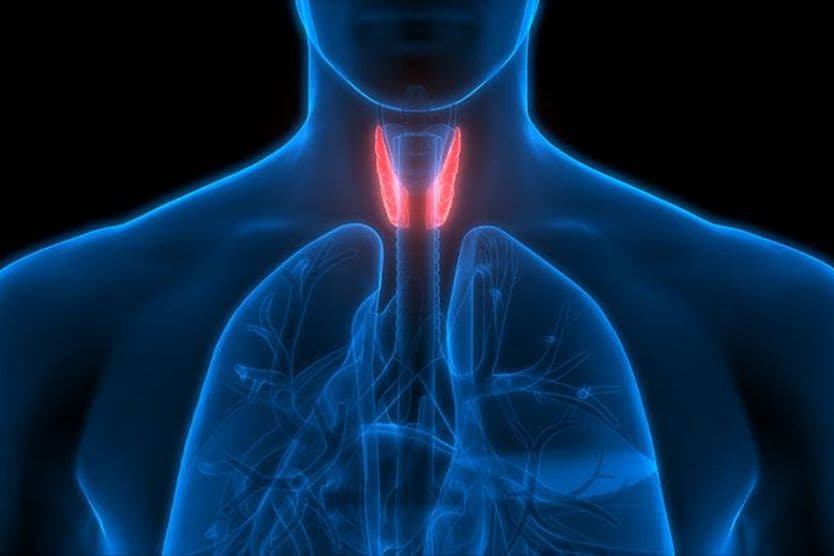
More than one in three people with Graves’ disease, an autoimmune disease that causes the thyroid to produce too much hormone, also develop thyroid eye disease (TED). For someone living with TED, the changes can touch every part of daily life.
Eyelids that used to close all the way at night now leave a strip of the eye exposed, so mornings start dry and irritated. The eyelids pull back, and the eyes appear more prominent, often giving them a wide, startled look, which may cause self-consciousness for some people. Reading a screen for more than a few minutes can cause eye strain, and turning quickly to glance at something can trigger double vision. Many people with TED endure symptoms that flare, ease and flare again, with little warning. Left unaddressed, the disease can also threaten eyesight, although serious visual impairment is uncommon.
Until 2020, people with TED had two main treatment options. They could be prescribed steroids to calm inflammation and surgery to address the eyes’ physical changes. Neither directly treated the condition itself. Teprotumumab-trbw changed that in 2020, becoming the first U.S. Food and Drug Administration (FDA)-approved drug for the condition. In June 2026, a second drug, veligrotug-vvze, was approved for the treatment of active and chronic TED.
Both teprotumumab and veligrotug are approved to treat TED at all stages of the condition. Teprotumumab was originally approved in 2020 for people with chronic TED. In 2023, the FDA updated its labeling to cover people, regardless of disease activity or duration, after a study found benefit for those with longstanding, quiet disease. Veligrotug was approved for both active and chronic stages.
What is thyroid eye disease?
Thyroid eye disease is an autoimmune condition that affects the tissues around the eyes. It can cause the eyelids to swell and pull back, making the eyes appear to bulge forward. Symptoms can include gritty, dry and painful eyes, as well as light sensitivity and headaches. Eye movement can become difficult, and looking to the side can cause double vision.
It often appears at the same time as hyperthyroidism (overactive thyroid) or within a few months of it. However, symptoms may also begin years before or after hyperthyroidism develops. It can even occur in people who do not have hyperthyroidism.
You may also see it called Graves’ ophthalmopathy, Graves’ orbitopathy or thyroid-associated orbitopathy. These all describe the same condition.
The link between thyroid eye disease and Graves’ disease
Hyperthyroidism and Graves’ disease are closely related and can also be associated with thyroid eye disease, but they are not the same.
Hyperthyroidism
Hyperthyroidism means the thyroid gland makes more thyroid hormone than the body needs, speeding up how your body uses energy. It can cause symptoms, such as weight loss, feeling hot or sweaty, a fast heartbeat, tiredness, trouble sleeping and other symptoms.
Graves’ disease
Graves’ disease is an autoimmune condition that’s a common cause of hyperthyroidism. Normally, a hormone called thyroid-stimulating hormone (TSH) tells the thyroid how much hormone to make. In Graves’ disease, the immune system produces a protein that acts like TSH, causing the thyroid to overproduce and release excess thyroid hormone.
Graves’ disease tends to run in families, and having a close relative with Graves’ or another autoimmune thyroid condition increases your own risk. On the other hand, thyroid eye disease itself is not something you are born with or inherit. It develops later, as a result of the same immune process.
The same immune attack can affect the muscles and tissue around the eyes, leading to thyroid eye disease, also called Graves’ ophthalmopathy.
In the United States, Graves’ disease affects close to 1 in 100 people, and it’s the underlying cause in about 4 out of 5 cases of an overactive thyroid.
The connection
Graves’ disease and thyroid eye disease often occur together because they share a common trigger inside the body.
One such trigger is IGF-1R, an insulin-like growth factor-1 receptor. It sits on cells inside the eye socket. It works together with a second receptor that normally responds to thyroid-stimulating hormone. When the immune system switches these receptors on, the cells release inflammatory signals and start to multiply. They may begin to deposit fat and scar tissue behind the eye. That buildup can produce many of the TED signs and symptoms.
What can raise the risk of thyroid eye disease?
Not everyone with Graves’ disease develops eye problems, and researchers cannot yet predict who will. Smoking is one modifiable risk factor that stands out.
People with Graves’ disease who smoke are more likely to develop TED than those who don’t. When it does develop in someone who smokes, the condition tends to be more severe and less responsive to treatment. Quitting is the single most useful step a person with Graves’ disease can take to protect their eyes.
Other factors appear to raise risk, including thyroid levels that swing high and low rather than staying steady. Keeping your thyroid levels stable is important to protect your eyes.
How thyroid eye disease is treated
People with Graves’ disease may need medications, radioactive iodine (RAI) or thyroid surgery to possibly bring thyroid function back to normal. These options affect the eyes differently. RAI can sometimes trigger thyroid eye disease or make existing eye disease worse. The risk is higher in people who smoke and in those who already have eye involvement. When radioactive iodine is the right choice for someone at risk, doctors may give a short course of steroids along with it to protect the eyes.
But TED can change, or even worsen, in the months and years after the thyroid issues have been brought under control. That’s why TED requires separate treatment, based on how active it is and how much it affects daily life.
Treatment for mild TED focuses on protecting the eyes and easing discomfort with artificial tears, thick ointment at night or taping the eyelids closed.
For moderate to severe disease, doctors may use IV steroids as a first step to calm inflammation faster instead of steroid pills, which might not act as quickly. Other options might be immune-calming medicines or the latest targeted drugs, such as teprotumumab or veligrotug. In milder disease, a selenium supplement is sometimes recommended for a limited period.
Teprotumumab and veligrotug both work by binding to IGF-1R and preventing it from activating. With the receptor blocked, the signal driving swelling and tissue growth slows down. Both drugs help reduce eye bulging and double vision, even though neither treats the thyroid itself. For vision-threatening stages, high-dose steroids may be necessary.
Vision loss in TED is uncommon but can occur if the eyes don’t fully close, exposing the front of the eye (cornea) and causing damage. In rare cases, swollen muscles behind the eye press on the optic nerve, the nerve that connects the eye to the brain.
Contact your eye doctor the same day or go to an emergency facility if you notice:
- Sudden or significant vision changes
- Colors looking washed out, duller or grayer, especially in one eye
- Vision that seems dim, as though a light has been turned down
- Double vision that is new or getting worse quickly
- An eye that won’t close all the way, or a new sore or cloudy patch on the surface of the eye
- Severe or increasing pain behind the eye
Once the disease has settled and stayed stable for several months, surgery can help with bulging, double vision and eyelid position.
Veligrotug
Veligrotug is approved for thyroid eye disease, whether it is active or chronic. It was tested against a placebo (a treatment with no active medicine) in two trials, one in people with active disease and one in people with chronic disease. In both trials, more participants on veligrotug had a meaningful reduction in eye bulging after at 15 weeks compared to people on placebo. Double vision also improved more often with veligrotug than with a placebo.
This drug is given as an infusion once every three weeks, based on body weight, for a total of five infusions over about 12 weeks. It’s given on its own, not combined with other medicines. The first infusion takes about 45 minutes. Depending upon the person’s tolerance, subsequent infusions may last anywhere from 30 to 45 minutes.
Teprotumumab
Teprotumumab can be used at any stage of the disease, regardless of how long it has been present. It was tested against a placebo in two studies for people with active thyroid eye disease. More participants on teprotumumab had a reduction in eye bulging than those on placebo. Among participants with double vision at the start of the trial, more improved with teprotumumab than with placebo.
This drug is given as an infusion once every three weeks, based on body weight, for a total of eight infusions. It’s given on its own, not combined with other medicines. The first two infusions take at least 90 minutes each. Later infusions can be shortened to 60 minutes if they’re well tolerated or stay at 90 minutes if they aren’t.
Both drugs are given in an infusion center, a hospital outpatient unit, or in some cases, at home through a home-infusion service.
What are the possible side effects?
Both drugs have similar warnings on their label. Call your doctor right away if you notice any warning signs while on these medications.
These drugs can cause a reaction during or shortly after an infusion. They may also cause serious hearing problems, including hearing loss that might not go away. These medications could also raise your risk of inflammatory bowel disease (IBD), even without a prior history. They may raise blood sugar, so people with diabetes should ask their doctor about adjusting their treatment plan and staying on top of their glucose control.
The labels of these medications indicate those who are pregnant should not take them. Effective birth control is recommended during treatment and for six months after the last dose, since the medications may harm a developing baby.
What is the difference between teprotumumab and veligrotug?
Teprotumumab and veligrotug both act on the same pathway. However, the two drugs differ in how long they’ve been available and how they’re dosed. Veligrotug became available in 2026 and requires five infusions over about 12 weeks. Teprotumumab became available in 2020 and requires eight infusions over about five months.
The two drugs have not been compared head-to-head in a study. Their results come from separate trials with different groups of participants, which means the numbers cannot be lined up side-by-side. A shorter course is a practical difference, not evidence that one drug may work better than the other.
Talk to your doctor
If you’ve been diagnosed with thyroid eye disease, talk with your doctor about the treatment that’s right for you. Because the disease can range from mild irritation to more serious swelling that threatens your vision, some people do well with medicine alone, while others require additional treatment.
Doctors will weigh how active and severe the disease is, how much it’s affecting your daily life and how you’ve responded to earlier therapies. Your care team will also consider your overall health, your eye health and how well your thyroid levels are controlled to determine the ideal approach for you.