How sinuses affect the eyes, and what you can do about it


Can a sinus infection affect your eyes?
Many people are familiar with the nasal congestion, eyelid swelling and eye aches a sinus infection (sinusitis) can cause. However, it could also cause other symptoms that may affect your vision. See an eye doctor about eye pain and any vision changes to avoid potential eye health issues or vision loss.
What is sinusitis?
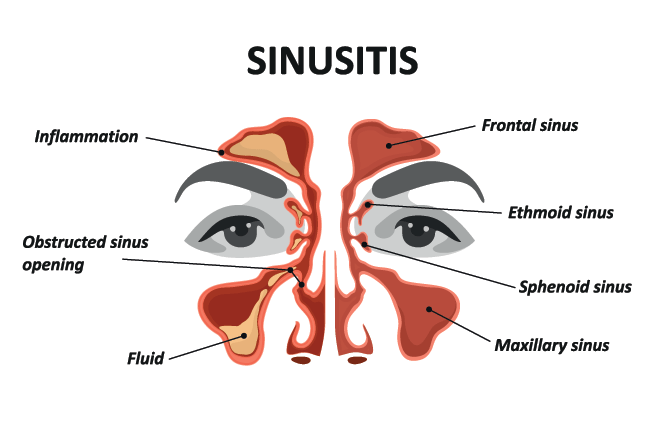
Sinusitis is an inflammation or infection of the sinuses, which are hollow spaces near your eyes and nose. The sinuses make mucus, which drains out through your nose. Typically filled with air, sinuses that are blocked fill with fluid. This extra fluid promotes germ growth and the potential development of a viral, bacterial or fungal infection.
There are four pairs of sinuses, called the paranasal sinuses, near the nose and eyes. One sinus from each pair sits on either side of the face.
The maxillary sinuses (below your eyes) are more likely to get infected. A maxillary sinus infection may cause pain below the eyes and in the cheeks. You also have sinuses:
- Between your eyes (ethmoidal)
- Behind your eyes (sphenoidal)
- Above your eyes (frontal)
Infected sinuses may cause you to experience the following symptoms:
- Headache
- Congested or runny nose
- Facial pain
- Cough
- Fever
- Sinus pressure
- Sore throat
- Bad breath
A sinus infection may clear up in less than a month with treatment. However, some patients may develop chronic or recurring infections.
Eye symptoms
In addition to eye pain or pain behind the eyes, there are other eye symptoms that may be caused by infection-related sinus pressure. These may include:
- Eye pain – You may feel pain behind or around the eyes. This may feel like an “eye ache,” pain in your eyes or a headache behind your eyes.
- Eye watering – A chronic infection can lead to watery eyes (epiphora). But these symptoms may also be caused by other conditions. A cold or allergies may cause eye watering and a feeling of stuffiness or pressure. A cluster headache can similarly cause pressure, watery eyes and a stuffy nose.
- Swollen eyes – You may also experience eyelid swelling and eye puffiness. This can occur when the sinuses between and below your eyes become inflamed and clogged with mucus. The swelling typically goes away as your condition improves with treatment.
Rarely, sinus problems such as chronic sinusitis can also lead to optic neuritis. It can occur when infection or chronic inflammation spreads to the optic nerve. Optic neuritis can cause blurry vision, vision loss and other problems due to optic nerve damage.
Treatments for sinusitis eye pain
Face and eye achiness should start to feel better as sinusitis resolves. In the meantime, over-the-counter decongestants and pain relievers may help ease your symptoms.
See a doctor if you feel worse or don't start to improve after about a week. You may need prescription antibiotics or other treatment for your infection.
SEE RELATED: Pressure behind the eye
Can you get a sinus infection in your eyes?
In some cases, a sinus infection can spread to the eyelid, skin and soft tissues.
Periorbital cellulitis, also known as preseptal cellulitis, can occur when the area around the eye, including the eyelid, becomes infected.
Orbital cellulitis can occur if the eye itself, and the tissues around the eye, become infected. Periorbital cellulitis cannot develop into orbital cellulitis because a fibrous tissue surrounding the eye serves as a barrier. It is a sight-threatening condition.
Both of these conditions are more common in children than in adults. Periorbital cellulitis is more common and less dangerous than orbital cellulitis. Both conditions can cause red, swollen and painful eyelids. Fever may sometimes occur with periorbital cellulitis, although it is more common in orbital cellulitis. It is important to note that periorbital cellulitis does not typically affect vision or eye movement.
In addition to the symptoms above, symptoms of orbital cellulitis may include:
- Fever
- Malaise (general sense of being sick or uncomfortable)
- Headache
- A bulging eye (exophthalmos)
- Blurry vision
- Double vision
- Severe eye pain, especially when moving the affected eye
You may be able to treat periorbital cellulitis at home with oral medications under close supervision of an eye doctor. Orbital cellulitis requires hospitalization and IV antibiotics. It is important to see an eye doctor or receive care at an emergency facility right away if you think you or your child may have either condition.
More commonly, a sinus infection can lead to pink eye (conjunctivitis).
Typically, sinusitis won't have any special symptoms to indicate it may lead to an eye infection. It's just a matter of proximity. The sinuses are very close to the eyes, so untreated infections don't need to migrate far.
It's also easy to spread infection by touching your nose and then your eyes without washing your hands.
Other sinusitis complications that can affect the eyes
There are other complications of infected sinuses that can affect your vision, though most are rare. It’s still a good idea to know about these problems so you can get medical care right away if necessary.
Cavernous sinus thrombosis
Cavernous sinus thrombosis (CST) is a rare but dangerous condition. It usually starts in one eye and spreads to the other. The most common symptoms are fever and headache, which may appear along with eye issues.
Several eye-important arteries and nerves pass through the cavernous sinus, so damage to this area can result in a number of eye complications.
Symptoms of CST may include:
- Pain around the eye
- Swelling of the eyelids
- Drooping eyelids (ptosis)
- Double vision (diplopia)
- Light sensitivity (photophobia)
- Vision loss
Less common symptoms may include confusion, face numbness, a stiff neck or coma.
It’s crucial to seek treatment right away because CST can be life-threatening and may cause blindness in up to 15% of cases. Treatment for CST typically requires antibiotics, antifungal medication and medicine to help prevent blood clots.
Bacterial meningitis
Bacterial meningitis is a rare, life-threatening condition and a medical emergency. The common symptoms of meningitis include sudden headache with fever and a stiff neck.
Meningitis symptoms may also include:
- Confusion
- Sensitivity to light (photophobia)
- Nausea
- Vomiting
It’s important to see a doctor right away if you suspect meningitis. Prompt treatment with antibiotics is key to recovery.
When to seek emergency medical care
If you’ve been diagnosed with or suspect sinus issues that may be affecting your eyes, you may need to see a doctor right away.
Seek emergency medical care if you have:
- High fever
- Stiffness of the neck
- Breathing difficulty
- Confusion
- Blurry vision or other vision changes
- Eye swelling and pressure
- Severe pain in or around the eyes
- Swelling around one or both eyes
Often, it can be difficult to tell the difference between sinusitis eye pain and other issues on your own. If in doubt about your symptoms, it’s best to seek emergency care right away to protect your overall health as well as your eye health and vision.