Causes of nystagmus

Nystagmus is a condition that causes uncontrolled eye movements. It can be present at birth or occur later in life.
Though there’s not a lot of published data on the prevalence of nystagmus among the general population, one large study found that pediatric nystagmus occurs in 6.72 per 100,000 children and teens under the age of 19 in the United States.
So, what causes nystagmus? While a number of conditions can lead to nystagmus symptoms, it can also result from injury or the use of certain medications. The cause of nystagmus often depends on the type of nystagmus a person has.
Congenital nystagmus causes
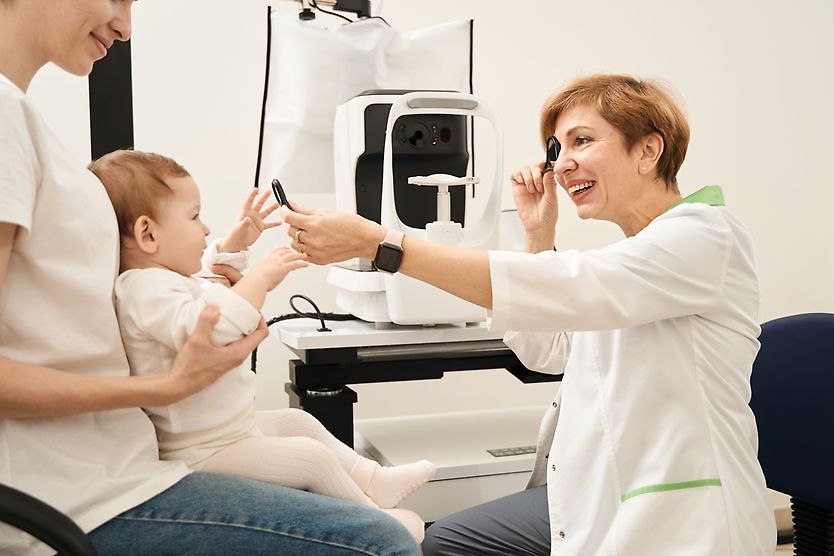
Congenital nystagmus appears between 6 weeks and 6 months of age and can affect children with poor or normal vision.
Nystagmus in babies with poor or abnormal vision is often called sensory nystagmus because it’s caused by a deficit in the visual “sense.” To keep the eyes focused on a specific item, the brain requires information from them. When a child has poor vision, the brain is unable to steady the eyes, which can make it difficult to keep them focused.
Conditions that are often associated with sensory nystagmus can significantly impair vision in one or both eyes, including:
- Severe refractive error
- Oculocutaneous albinism (OCA)
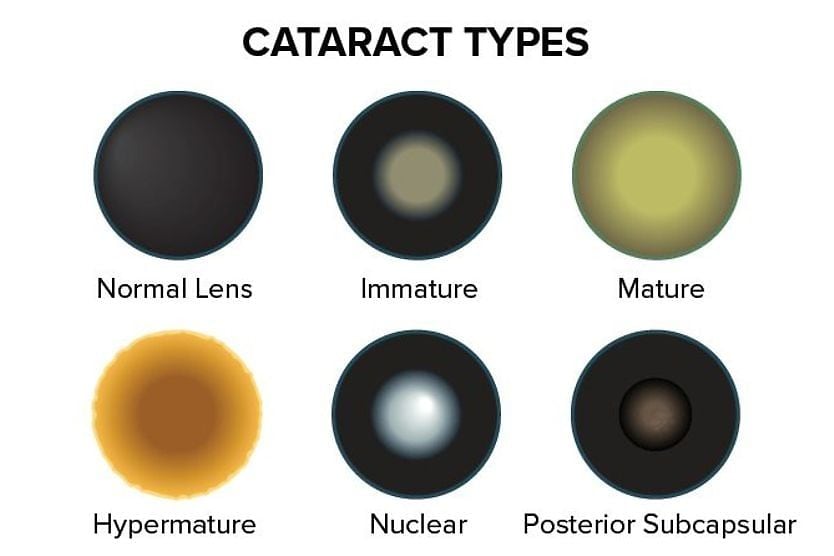
- Congenital cataracts
- Aniridia
- Leber’s congenital amaurosis (LCA)
- Optic nerve hypoplasia
- Choroidal coloboma
- Achromatopsia
Nystagmus in children with good or normal vision is typically caused by weakened motor skills that inhibit the brain’s ability to steady the eyes. This is known as congenital motor nystagmus and is somewhat of a mystery when determining a cause.
Normally, when a child shows signs of congenital nystagmus and their vision looks normal, tests are run to check for the conditions listed above. If the eyes and brain are found healthy aside from the nystagmus, the child may be diagnosed with congenital motor nystagmus.
Acquired nystagmus causes
Acquired nystagmus describes symptoms that appear as early as 6 months of age, or any time after that. Acquired nystagmus causes are typically related to injury, medication or an underlying condition.
Potential causes of acquired nystagmus can include:
- Eye conditions such as cataracts or strabismus
- Brain tumor
- Stroke
- Multiple sclerosis
- Certain prescriptions, such as seizure medications and sedatives
- Trauma to the head or eye
- Diseases of the inner ear
- Excessive alcohol or drug use
How to tell if you have nystagmus
Eye movements can vary in speed and severity, and typically occur in both eyes, though it’s possible for only one eye to be affected. There are three types of nystagmus used to classify the direction an affected patient’s eyes move:
- Horizontal nystagmus is characterized by uncontrolled side-to-side eye movements.
- Vertical nystagmus is when eyes have uncontrolled up-and-down movements.
- Rotary nystagmus (also called torsional nystagmus) involves circular movements of the eyes.
Whether you notice these eye behaviors yourself or someone else brings them to your attention, it’s important to have them evaluated. Other symptoms can include:
- Vision issues
- Photophobia (light sensitivity)
- Dizziness
- Difficulty seeing in low light conditions
- Objects appear shaky
- Tilting your head to see clearly
READ MORE: Nystagmus treatment
When to see a doctor
Nystagmus could indicate a more serious, life-threatening condition such as a brain tumor or stroke. If you were to experience stroke symptoms such as facial drooping, sudden arm or leg weakness (especially on one side), speech difficulty, severe headache, confusion and/or balance issues, call 911 and seek immediate medical attention at an emergency facility.
It’s important for people who experience symptoms of nystagmus to see an eye doctor promptly. Your eye doctor can assess the health of your eyes and vision to determine what steps should be taken next.
SEE RELATED: International Nystagmus Awareness Day