How long does a stye last?
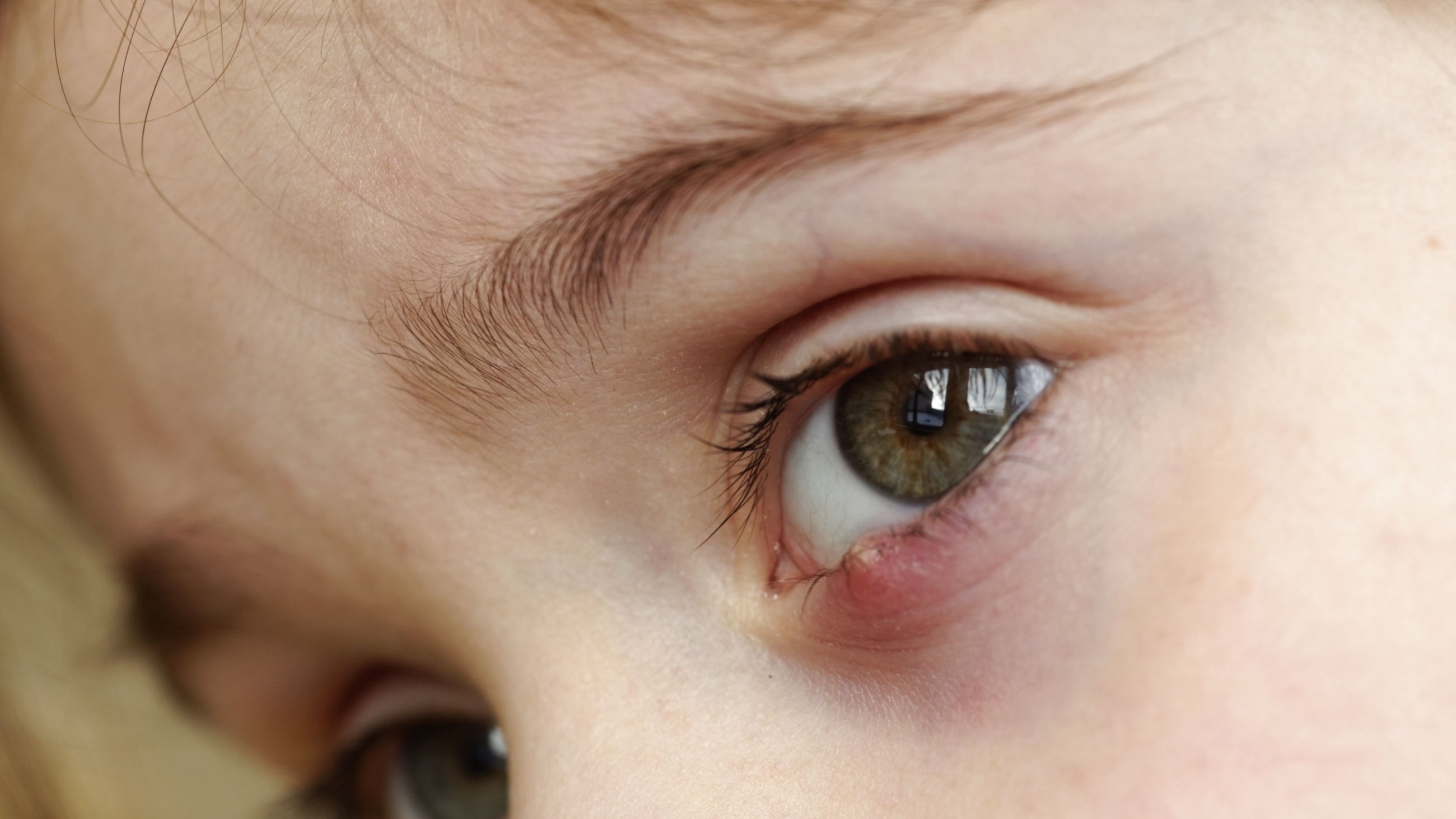

How long does a stye take to heal?
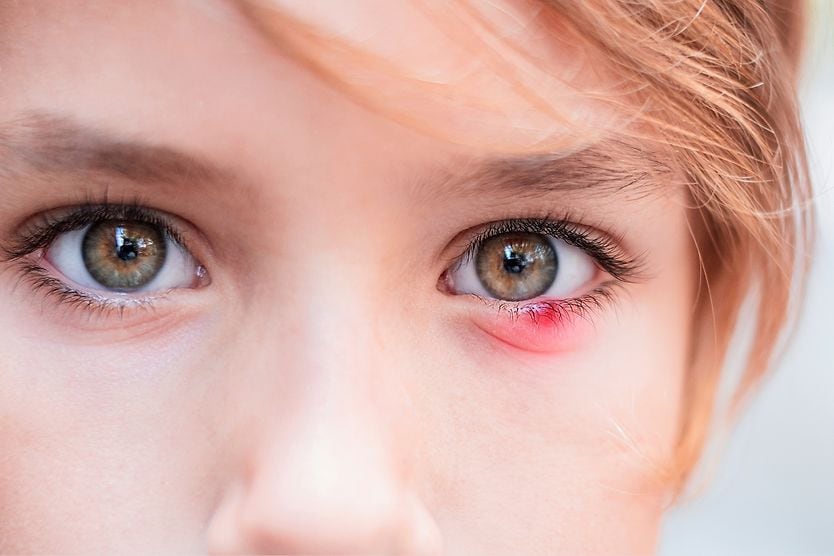
A stye in the eye usually lasts about a week, from its formation to when it is completely healed. Stubborn cases may last up to two weeks. They develop over the course of a few days, with a pimple-like lesion forming around day three. A few days later, the lesion could drain on its own and quickly heal.
Eyelids have multiple oil glands on the upper and lower lids to help lubricate and protect the eyes. When one of these glands becomes clogged, bacteria can be trapped inside and lead to an infection. This is what causes a stye (also called a hordeolum).
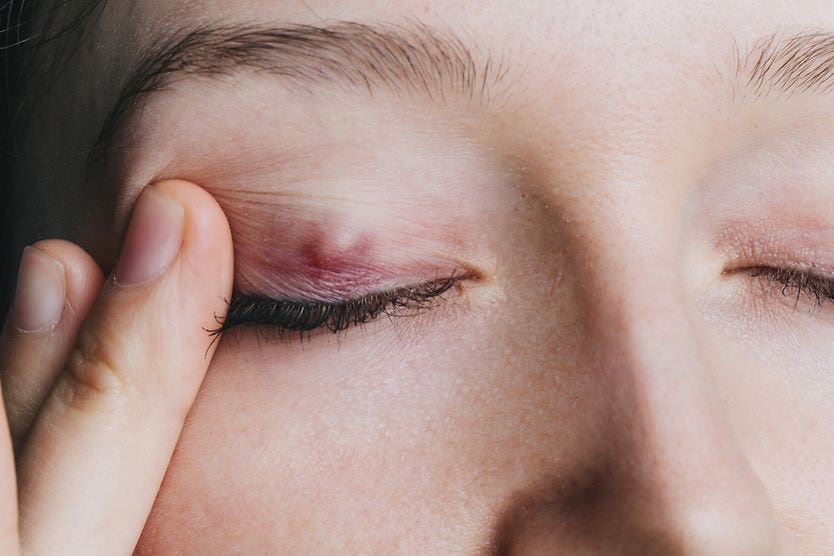
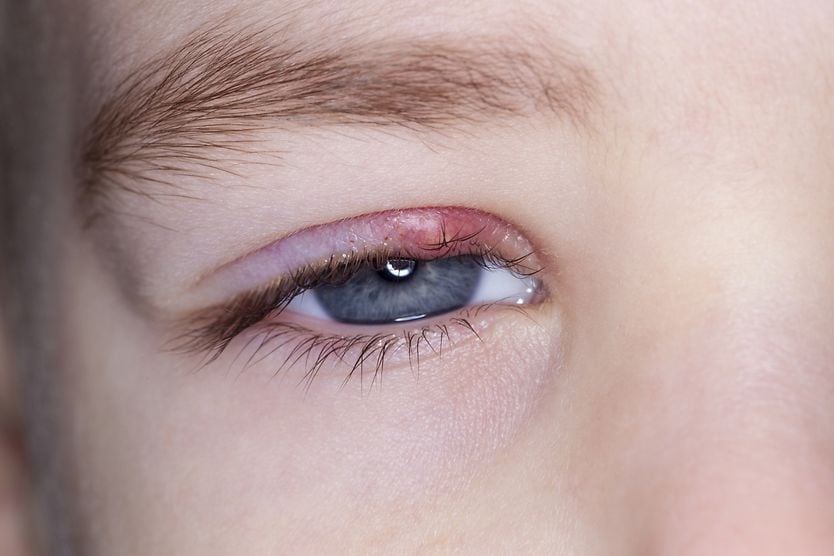
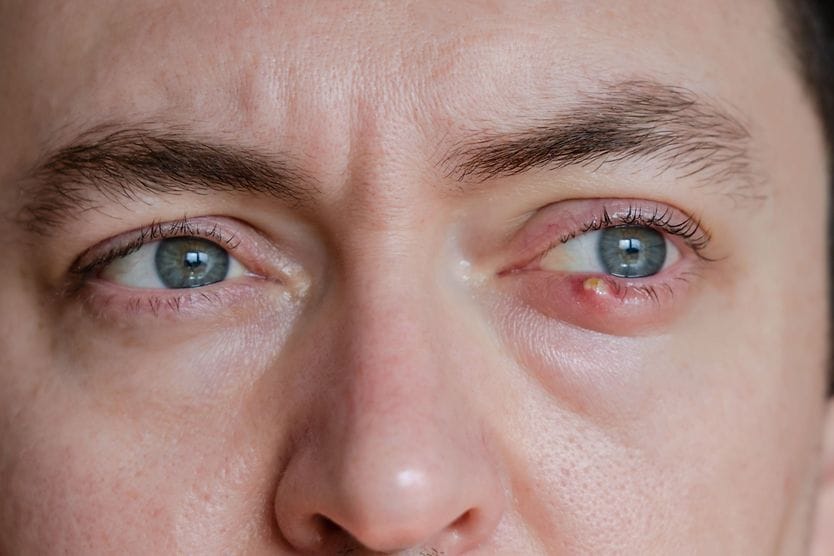
Hordeola most commonly form at the base of an eyelash, but they can form inside the eyelid as well. They are usually painful and develop into small, red, abscessed bumps before they resolve.
As tempting as it may be, it is not recommended to squeeze or pop a hordeolum. It will not make it go away any sooner. In fact, it will likely make it worse. When you squeeze or pop a stye, bacteria is released into the eye and can lead to a more serious eye infection.
How long do styes last?
They can last anywhere from three days to two weeks, but they typically heal in about seven days. This timeframe will vary slightly from person to person. The amount of time a stye takes to heal can depend on several factors, including hygiene habits, underlying conditions and the treatments used.
How long does a stye last without treatment?
The typical duration of a hordeolum — around seven days — is about the same with or without treatment. However, taking proper care of it at home and/or receiving medical treatment can potentially enhance recovery time.
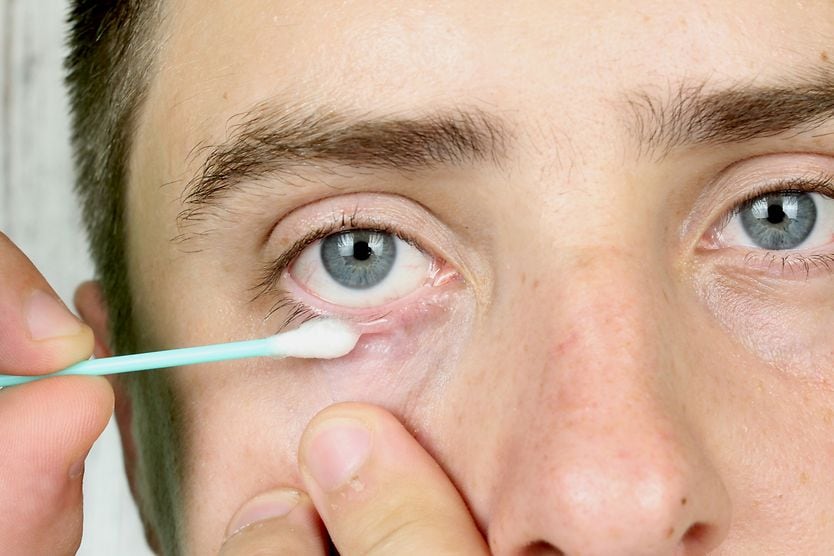
To heal a stye as fast as possible, it is recommended to keep the eyelid clean and avoid touching it otherwise. Warm compresses can also help keep healing time to a minimum. Apply a warm compress for about 10 minutes, three or four times per day, to help the clogged gland clear itself out.
You can use a damp towel soaked in warm water, or you can find reusable warm compresses at most drugstores. Reusable compresses tend to hold onto warmth a little longer.
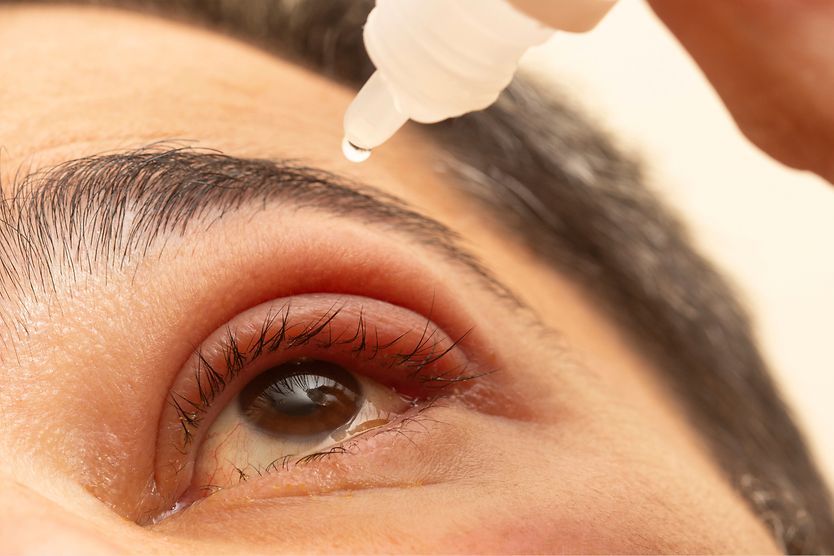
If you experience pain from a stye, your doctor may recommend over-the-counter treatments, such as ibuprofen.
How long does a stye last with antibiotics?
The majority of hordeola drain and heal naturally within a week or so without antibiotics.
Topical antibiotics can help keep the infection from spreading, but they won’t speed up healing. Oral antibiotics can be more effective in healing them, but, because many cases heal quickly on their own, the healing time is about the same either way.
For this reason, eye doctors tend to reserve oral antibiotic treatment for internal hordeola or for serious cases. If the infection is severe, has spread to other areas or has developed into periorbital cellulitis, it may require antibiotic treatment.
An eye doctor may also prescribe antibiotics for a stye that’s not going away (sometimes called a chronic stye) or for recurring cases.
Will a stye go away on its own?
With proper at-home care, they tend to self-resolve with minimal to no complications. Many people begin to see improvement within just a few days and are completely healed within a week or two.
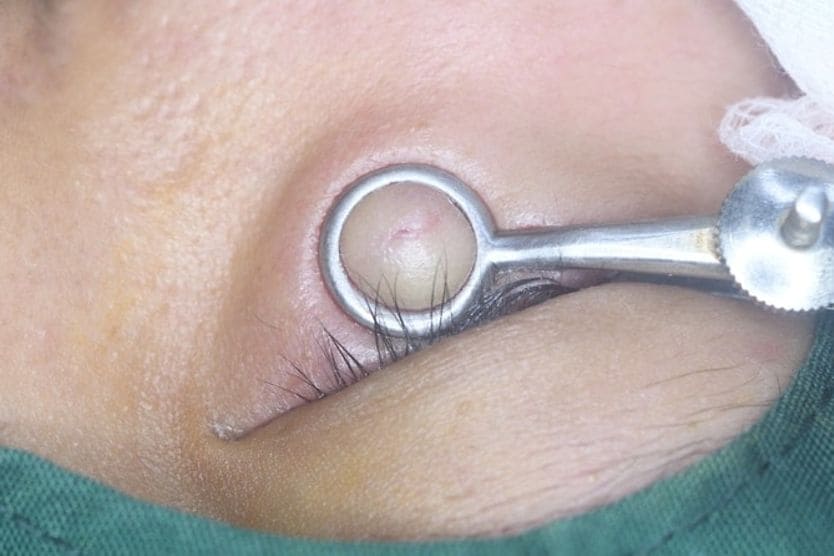
If there is no improvement in the first week, it is suggested to schedule an appointment with an eye doctor. They can diagnose and treat any underlying condition that may be the cause. They may also recommend antibiotics, surgical draining or a steroid injection, depending on its cause and severity.
Healing stages
The exact formation and healing stages of styes are a little different for every patient. But they usually progress along similar timelines, which can be helpful to know when discussing your symptoms with your eye doctor.
- For the first day or two, there may be eyelid tenderness and swelling without a visible bump.
- A small, red bump — often with a pustule or abscess — will usually form in the lash line around days two to four.
- The pustule then comes to a head and drains on its own, generally around days four to six.
- Healing should happen quite rapidly once the pustule opens and drains, and the lid is often totally healed by day seven or eight.
If the eyelid bump does not form a pustule and is closer to the center of the eyelid, it is more likely a chalazion. Chalazia are similar to hordeola, but they can last for months and are not typically infected.
Recurring styes
Hordeola are common in both children and adults, but some people do happen to be more prone to them. Often, having a history of styes is even considered a risk factor for having more in the future.
If you have recurring hordeola, they may be due to an underlying health or skin condition. They may also be due to certain personal hygiene habits. Some people may be more prone simply because of the makeup of their body’s natural oils or the amount of naturally occurring bacteria on their skin.
Causes of recurring styes in adults
One of the most common causes of recurring styes in adults is a condition called blepharitis. This is an inflammation of the eyelid margins that causes redness, stinging and crusting or flaking along the lash line. Blepharitis can form due to a variety of factors, including:
- High levels of Staphylococcus aureus on the skin
- Seborrheic dermatitis, a type of dermatitis that may affect sebaceous glands in the eyelids
Chronic or untreated blepharitis eventually leads to clogged oil glands, which, in turn, can lead to styes. Dry eye syndrome, dermatitis, rosacea, Demodex mites and meibomian gland dysfunction are also associated with both recurring styes and blepharitis.
High blood cholesterol is another condition that can lead to recurring hordeola. This is because it causes the body’s natural oils to become thicker. These thicker oils may clog eyelids’ oil glands.
Conditions that weaken a person’s immune system can also be a cause of recurring styes. In fact, recurrent hordeola are often the first sign a person has diabetes.
For many adults, eyelid hygiene may be a factor in recurring hordeola. Neglecting face washing before sleep can drive dirt and bacteria deeper into the skin overnight. And unwashed hands might transfer different kinds of bacteria on to the eye surface — including bacteria from your own face and body. Both of these bad habits can lead to repeated infections.
Finally, any infection can come back if an antibiotic treatment is not used correctly. This includes a hordeolum. If your eye doctor prescribes an antibiotic to treat your recurring styes, use it exactly as directed and complete the entire course.
How to prevent styes from recurring
Appropriate techniques for prevention for repeated infections, no matter what is causing them, is keeping the eyelids clean and free from irritants.
- Wash your hands before and after touching your eyes — every time.
- Use a gentle, eye-safe cleanser to wash your face and eyelids before sleeping and again before applying any cosmetics.
- It is advised to throw out any cosmetics that are over three months old, and avoid eye makeup if you have an active infection.
- Avoid sleeping in contact lenses, and clean them properly with fresh contact lens solution.
Make sure any underlying health conditions are treated and well managed. If you’re already keeping your eyes and hands clean with no improvement, see your eye doctor. They can determine if something more than hygiene is the problem.
How to treat recurring styes
If you have recurring styes, whether they crop up in the same or different spots each time, make an appointment with your eye doctor. Depending on the cause, they may recommend a topical antibiotic ointment or prescribe an oral antibiotic.
An eye doctor can also diagnose and treat several of the conditions that may be behind the repeated infections. Blepharitis, Demodex mites, meibomian gland dysfunction, dry eye syndrome and contact lens wear are often related to hordeola. Your eye doctor can guide you through the best ways to manage these.
It’s also possible that a condition like high cholesterol or diabetes is affecting your eyelids. While an eye doctor doesn’t treat those conditions, they can often detect them during a comprehensive eye exam. Then they’ll be able to refer you to an appropriate specialist for treatment.