Pink eye and conjunctivitis: Doctor-reviewed answers to common questions

What is pink eye?
Pink eye is another name for viral conjunctivitis, though it can be common for people to refer to all types of conjunctivitis as pink eye.
Conjunctivitis is an infection or inflammation of the eye’s conjunctiva — a thin, transparent tissue that lines the inside of your eyelids and covers the white of the eye (sclera). It can be caused by many things, but the common causes of conjunctivitis are viruses, bacteria and allergies.
Viral and bacterial conjunctivitis can be contagious, but allergic conjunctivitis is not.
Viral conjunctivitis (pink eye), also sometimes called an eye cold, is caused by a virus. Because it is caused by a virus, pink eye doesn’t have a cure, but it usually goes away on its own in a week or two.
Bacterial conjunctivitis is potentially more dangerous than viral pink eye and may need treatment with antibiotic eye drops to prevent serious complications. Allergic conjunctivitis can be managed by avoiding allergy triggers and taking antihistamines, either orally or in the form of eye drops.
What does pink eye look like?
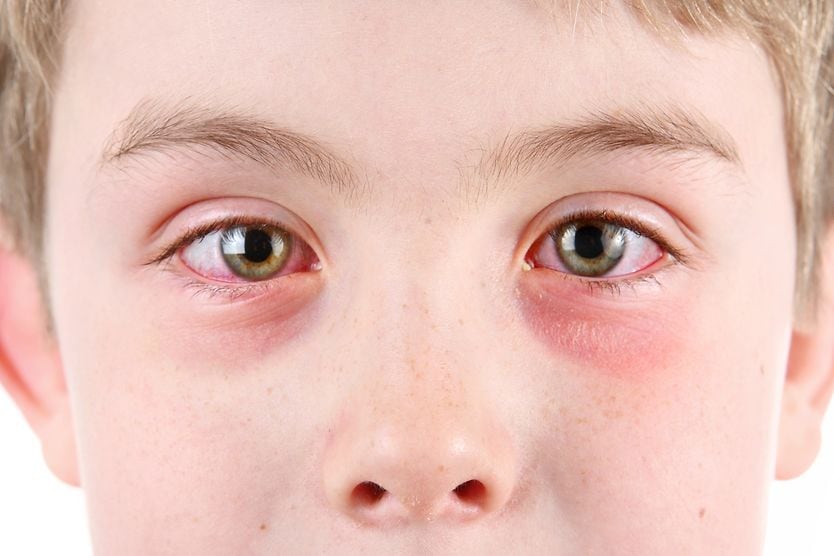
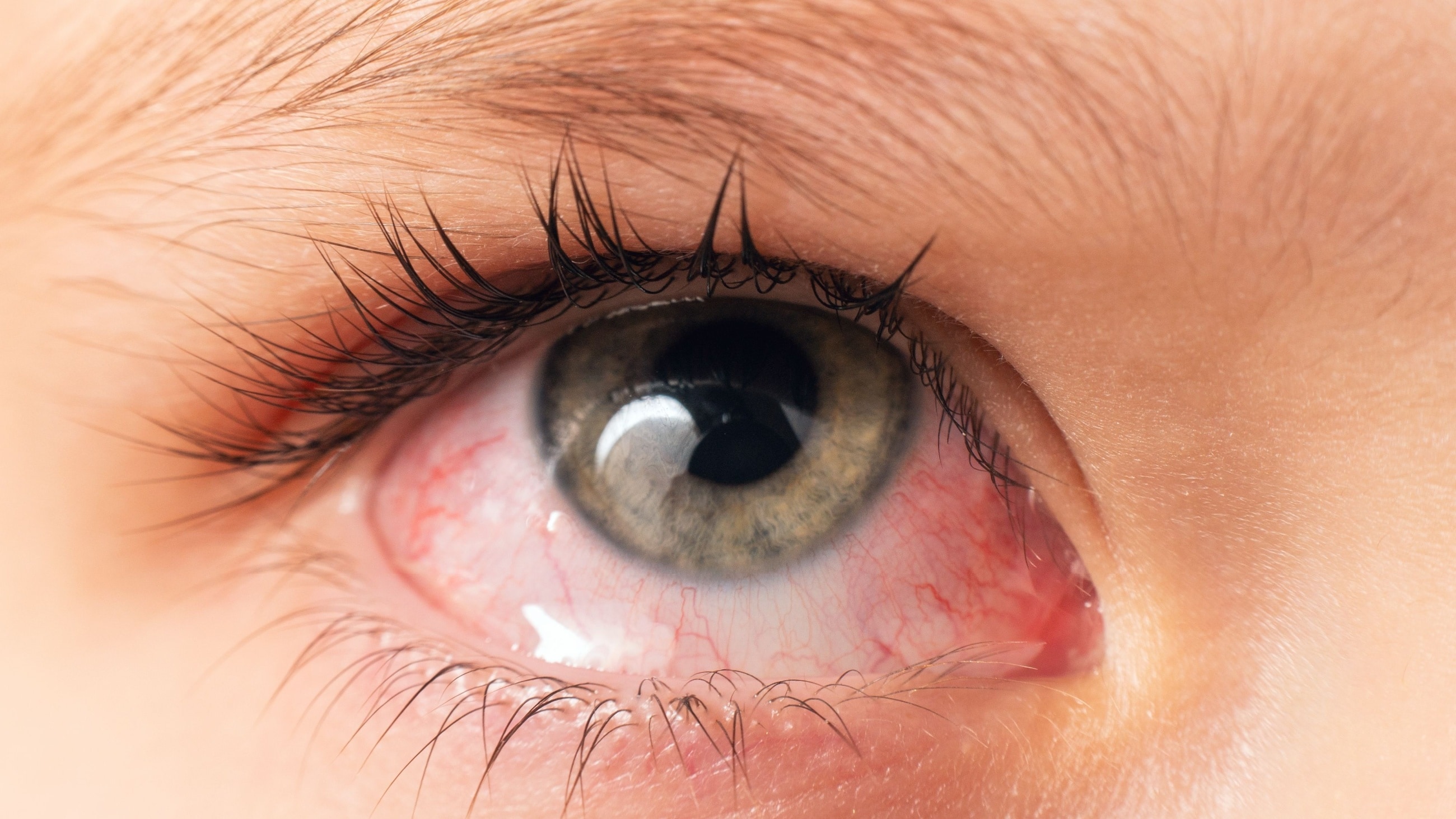
The most visible symptom of pink eye is that one (or both) of your eyes are pinkish-red to red in color. Pink eye also usually causes itchy, watery eyes, and your eyes may burn or sting. You might also have some thin, whitish eye discharge and eyelid swelling.
The majority of viral conjunctivitis cases come from the same viruses that produce cold and flu symptoms, so if you have a cold or the flu along with your eye symptoms, that’s an indicator that you have pink eye.
However, pink eye can sometimes look similar to bacterial conjunctivitis and other types of eye infections. It’s important to see your eye doctor any time you have symptoms of an eye infection, even if you strongly suspect that it’s pink eye.
How can you tell if pink eye is viral or bacterial?
Technically, pink eye only refers to viral conjunctivitis. Even though it can be common for people to use “pink eye” to mean all types of conjunctivitis, it only means conjunctivitis caused by a virus.
In terms of symptoms, though, it can be difficult to know for sure if you have viral or bacterial conjunctivitis without visiting your doctor. All three main types of conjunctivitis share similar symptoms, but they can sometimes range in severity and discomfort.
Bacterial conjunctivitis tends to cause the worst symptoms, including thicker eye discharge that can be green or yellow. Depending on the type of bacteria causing the infection, it can also feel more painful. Conjunctivitis that is suspected to be caused by bacteria would normally be treated with antibacterial eye drops to prevent complications. If your symptoms don’t clear up after a few days on antibiotics, it could be viral conjunctivitis.
Conjunctivitis can also look a lot like other more serious eye infections. It is recommended to see your eye doctor if your eyes hurt, if you have significant eye discharge, if you notice vision changes, or if your symptoms last longer than a week or so.
How does pink eye spread?
Pink eye (viral conjunctivitis) and bacterial conjunctivitis can both be contagious and spread through direct contact, coughs, sneezes and surface transfer.
Surface transfer is when a contagious person doesn’t wash their hands before touching common surfaces such as doorknobs, office coffee pots or toys in a playroom. Someone else touches those surfaces and then touches their eyes before washing their hands.
Surface transfer can also come from respiratory droplets from coughs or sneezes that land on surfaces. It can be common for bacterial conjunctivitis and pink eye to spread through sharing towels, pillowcases and makeup.
Another way to get conjunctivitis is if you have an upper respiratory infection. The virus or bacteria causing the respiratory infection can be transferred to your eyes if, for example, you cough or sneeze into your hand and then touch your eyes.
You can take these steps to avoid contracting or spreading pink eye if your or someone in your daily life has the infection.
How long does it take to get pink eye after being exposed?
The incubation periods for pink eye and bacterial conjunctivitis can range from 24 hours to two weeks. It depends on the type of virus or bacteria you're exposed to, as well as the way you're exposed.
Viral conjunctivitis (pink eye) can seem to appear more suddenly than bacterial conjunctivitis, but the incubation periods for both can be short with direct exposure, such as touching your eye with a contaminated hand.
It can take longer to get pink eye or bacterial conjunctivitis if it develops out of an existing upper respiratory infection. You can be exposed to a virus or bacteria and catch a respiratory infection and then develop conjunctivitis later by touching your eyes after coughing or sneezing.
Does pink eye get worse before it gets better?
Viral conjunctivitis (pink eye) symptoms often get worse on the second or third day before they start to get better. Viral conjunctivitis can also spread to both eyes than bacterial conjunctivitis, though the bacterial form can also sometimes spread.
Bacterial conjunctivitis symptoms may worsen until you begin treatment with antibiotics. Symptoms of bacterial conjunctivitis could usually clear up in a few days with proper treatment.
If your conjunctivitis symptoms get worse about a week or so after beginning antibiotics, it’s important to see your eye doctor again to rule out other types of eye infection.
Can I go to work with pink eye?
You should typically wait to go back to work until you have your eye doctor’s go-ahead. Conjunctivitis can remain contagious as long as symptoms are present, though bacterial conjunctivitis typically shouldn’t be contagious 24 hours after starting antibiotic treatment.
However, even if your eye doctor has prescribed antibiotics for your eye infection, this may not guarantee that you have bacterial conjunctivitis or that you are not contagious. Sometimes eye doctors will prescribe antibiotics just in case and can determine that you have viral conjunctivitis (pink eye) if the antibiotics don’t work in a few days. Conjunctivitis caused by a virus cannot be cured; it just needs to run its course.
If you have a fever, a cold, the flu or another upper respiratory infection, it is recommended to stay home from work until you are well and your symptoms are gone. Besides being contagious on their own, upper respiratory infections can cause conjunctivitis in others, even if you don’t have symptoms.
Can pink eye go away on its own?
In many cases, conjunctivitis can typically go away on its own in one to two weeks and is not serious.
A most common type of infectious (contagious) conjunctivitis is viral conjunctivitis (pink eye). Pink eye usually resolves itself in 10 to 14 days, much like a cold.
Mild bacterial conjunctivitis can resolve on its own without antibiotic treatment and may not cause any complications. It often improves in two to five days but can take two weeks to go away completely.
However, treatment with antibiotic eye drops or ointments may be needed when:
- There is significant eye discharge (pus)
- When conjunctivitis occurs in someone with a compromised immune system
- When certain bacteria are suspected
Antibiotics may help shorten the length of a bacterial infection, reduce complications and lower the risk of spreading bacterial conjunctivitis to others.
Allergic conjunctivitis (eye inflammation from allergies) is not contagious, but its symptoms are typically present as long as you are exposed to the allergen causing them.
When should I go to the doctor for pink eye?
You should see an eye doctor if you have symptoms of an eye infection that don’t start to get better — or symptoms that get worse.
Pink eye and bacterial conjunctivitis should begin to improve within a week or so. If your symptoms aren’t getting better or are still getting worse, this could be a sign that you have another more serious type of eye infection. It could also mean that the infection in your conjunctiva may have spread to other eye tissues such as your cornea.
You should go to the doctor right away if your pink eye symptoms are combined with:
- Intense, sudden or sharp eye pain
- Extreme eye redness
- Extreme sensitivity to light
- Changes in vision or blurry vision that doesn’t go away when you wipe discharge from your eyes
What gets rid of pink eye fast?
Pink eye (viral conjunctivitis) typically lasts 10 to 14 days before clearing up by itself. Unfortunately, there isn’t a curative treatment for pink eye or a way to get rid of it quickly.
You can alleviate some of the discomfort from your conjunctivitis symptoms with over-the-counter anti-inflammatory medication and lubricating eye drops. Some at-home and natural remedies for pink eye could also help.