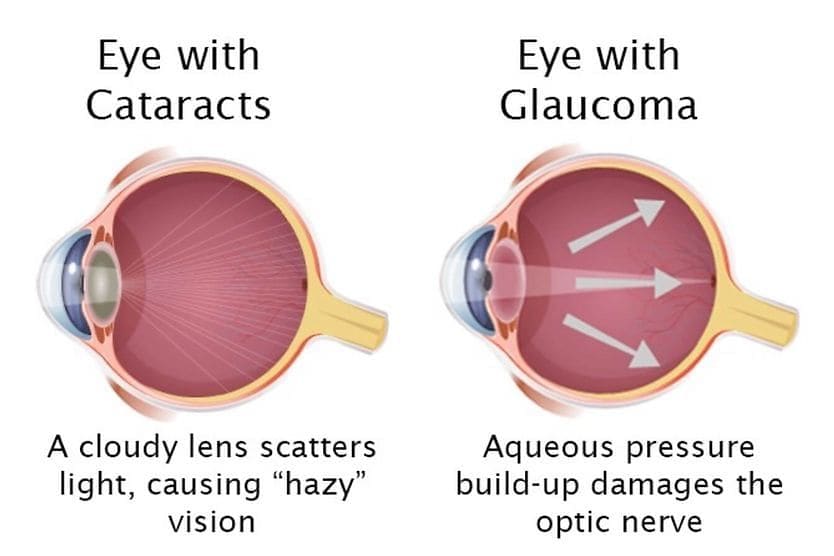
Glaucoma risk higher in the African American population

There are several factors that may cause your eye doctor to start a conversation about glaucoma. That conversation can be five times more likely to happen among African Americans and their eye doctors.
It is estimated that half of the people who have glaucoma don’t know it and more than 3 million Americans over the age of 40 have glaucoma. In African Americans, the risk increases by 20% if there is a family history of glaucoma.
Why are African Americans more at risk for glaucoma?
The cause for higher prevalence of glaucoma in African Americans is unknown. What we do know is that African Americans tend to have thinner corneas and larger cup-to-disc ratios.
Those two characteristics, especially the thinner corneas, can be significant risk factors for developing glaucoma.
What are the links between family history and glaucoma diagnosis?
Family history is important in diagnosing glaucoma early because if there is a direct family member (father, mother, brother or sister) with glaucoma, you can be more likely to have it.
A glaucoma suspect is someone who is at high risk for glaucoma due to factors including family history, certain structural or functional injuries to the optic nerve, or elevated intraocular pressure (IOP). Being a glaucoma suspect is not a guarantee that you will end up with a glaucoma diagnosis; it simply means it is important to make regular visits to the eye doctor a priority.
READ NEXT: How Eye Disease Disproportionately Affects African Americans
Does glaucoma treatment differ for African Americans?
There are several different causes of glaucoma, but the most common condition in African Americans is primary open-angle glaucoma (POAG).
However, it is important to know treatment does not differ; POAG is treated the same across all ethnicities.
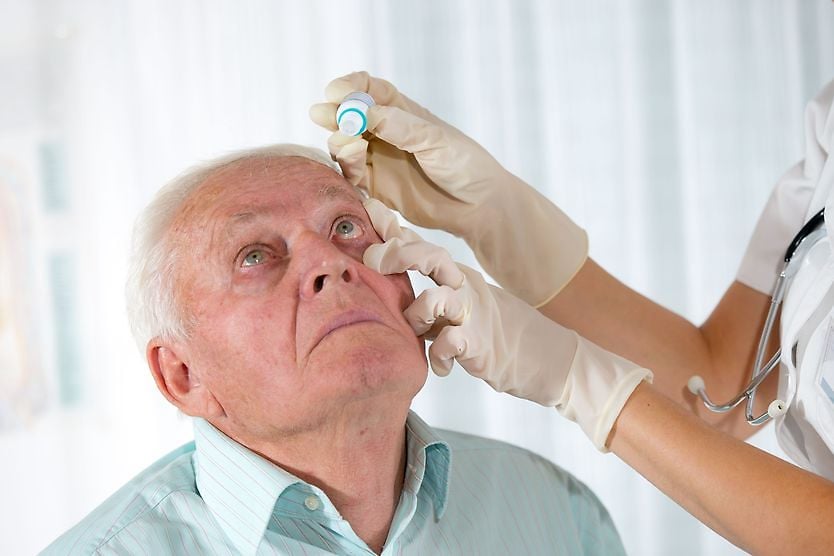
Treatment for glaucoma varies based on the severity of the diagnosis. Treatment options include prescription eye drops and oral medication, and in some cases surgery may be needed.
First-line treatment is usually a prostaglandin eye drop, but some doctors will opt for laser surgery such as SLT or ALT for first-line therapy. Oftentimes, if a patient has a cataract, cataract surgery itself can decrease eye pressure, thereby treating glaucoma.
Is there a cure for glaucoma?
It's important to note that there is no cure for glaucoma. It is a lifelong disease, and the goal of treatment — whether eye drops or surgery — is to reduce eye pressure and prevent the progression of vision loss due to glaucoma.
But treatment is not the same as a cure. Glaucoma never goes away. It's something that needs to be checked frequently as it can cause blindness if left untreated.