Retinoblastoma
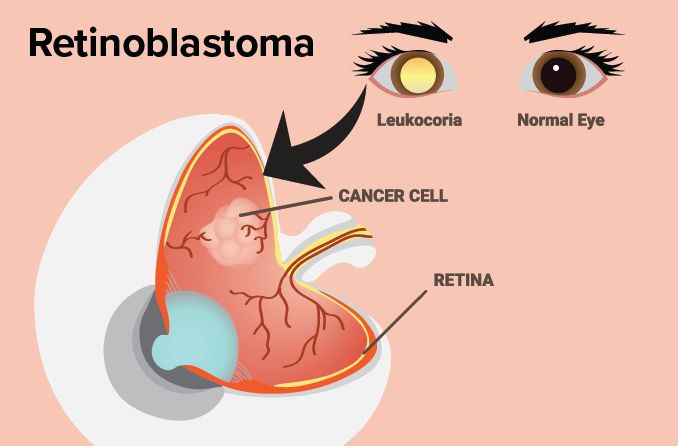

What is retinoblastoma?
Retinoblastoma is a rare form of eye cancer that starts in the retina, the layer of tissue that lines the back of the eye. The cancer can develop in one or both eyes and primarily affects infants and young children.
Though the condition is rare, with an estimated 200-300 cases diagnosed per year, it’s reported to be the more common form of eye cancer in children. If not treated promptly, retinoblastoma can spread to other parts of the eye and body, including the spine and brain.
Causes of retinoblastoma
Retinoblastoma ("reh-tin-oh-blas-TOE-muh") occurs when nerve cells in the retina genetically mutate, multiply and spread. When a massive number of these cells form, a cancerous tumor develops in the eye. Once detected, it’s important for retinoblastoma to be treated right away, as it can potentially spread to the brain, spine and other parts of the body.
This condition can be inherited or occur sporadically. Though it is not clear what causes retinoblastoma in sporadic cases, genetic mutations can be passed along from either parent in cases of children with hereditary retinoblastoma.
Retinoblastoma symptoms
Symptoms of retinoblastoma can be difficult to identify since the condition primarily occurs in young children, who are not always able to verbally express what they are experiencing.
Some retinoblastoma symptoms can include the following:
- White appearance in the center of the eye (pupil) that is especially visible when dim light is shone on the area
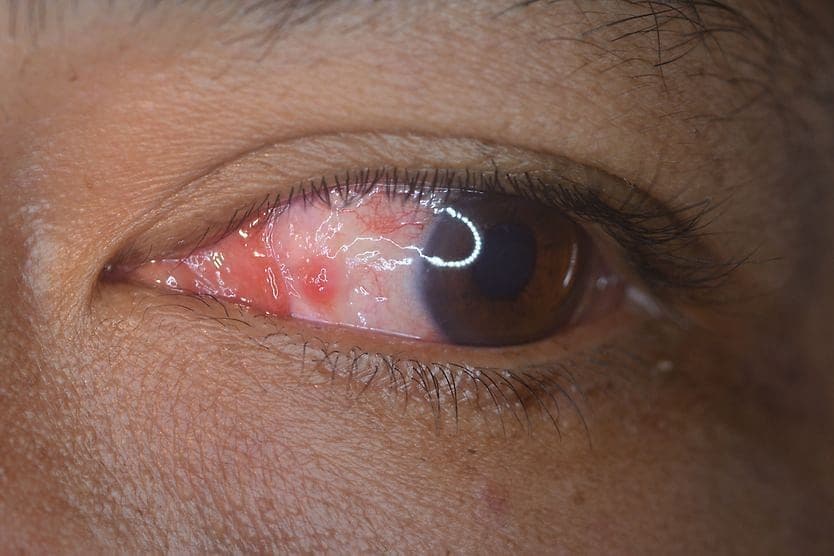
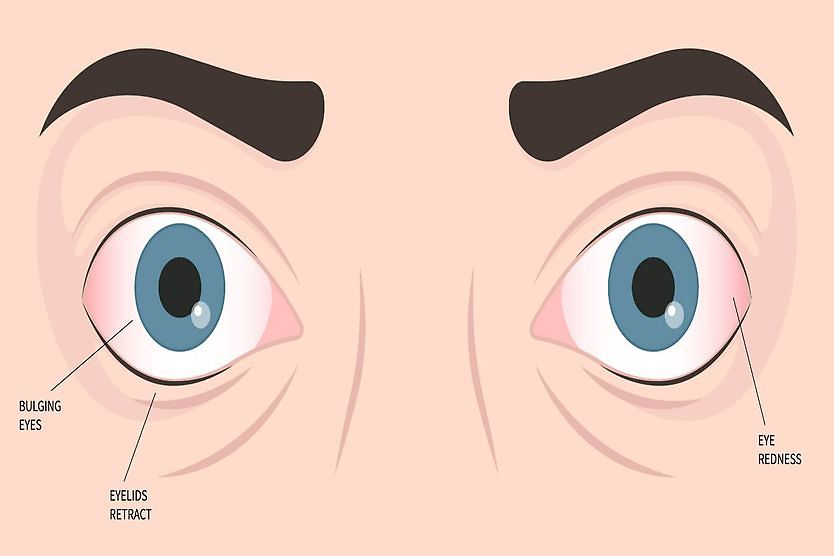
- Redness
- Swelling
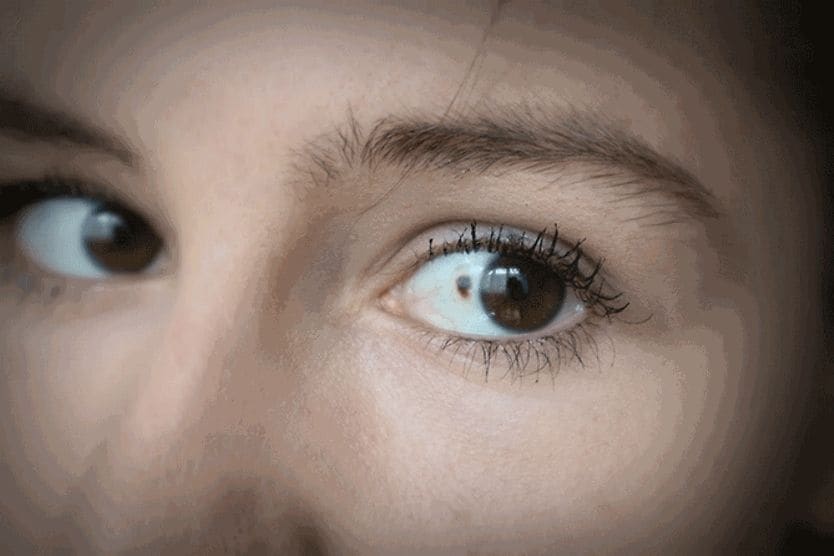
- Eyes looking in two different directions
Whiteness in the center of the eye is one of the key signs of retinoblastoma, and should be reported to an eye doctor immediately — especially if it is accompanied by any other symptoms. Since retinoblastoma can occur in one or both eyes, it is important to take note of whether symptoms appear to occur in either or both eyes.
When to see an eye doctor
Some symptoms of retinoblastoma are broad and difficult to differentiate from other possible eye conditions in your child. However, if your child develops a white appearance to the pupil in the center circle of their eye — often noticeable in dim lights or in photographs that were taken with a flash camera — it is important to see an eye doctor immediately. This sign is a prominent indicator of retinoblastoma.
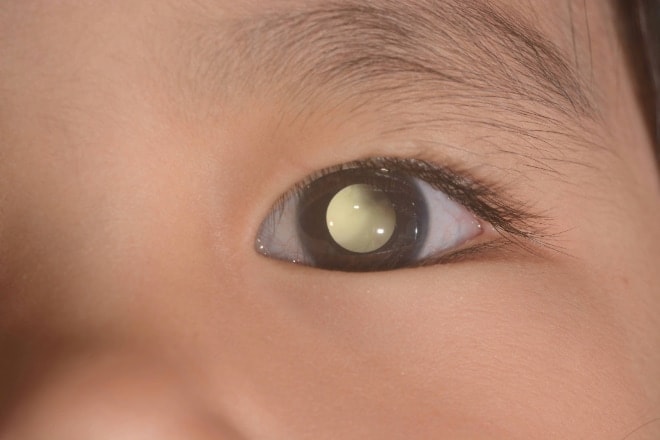
White appearance of the pupil is a prominent indicator of retinoblastoma.
Children who are at risk of developing retinoblastoma due to family history should begin having regular eye exams at a young age. This can allow an eye doctor to monitor them closely for very early signs of the condition.
Although both hereditary and sporadic cases of retinoblastoma typically occur before the age of 6, the condition may occur earlier in children if it is hereditary.
Diagnosing retinoblastoma
The first step in diagnosing retinoblastoma is a preliminary eye exam, in which an eye doctor will assess your child’s symptoms. The full diagnosis, however, will often involve multiple steps, including the following:
- An initial eye exam will be performed to determine what is causing any symptoms of retinoblastoma.
- Scans and imaging tests, such as an ultrasound, magnetic resonance imaging (MRI) or computed tomography (CT) scan help detect if there has been any progression of the condition.
- Additional testing and evaluation may need to be performed by specialists such as an oncologist, a doctor who specifically treats cancer, and an ocular oncologist (an ophthalmologist trained to diagnose and treat tumors and cancers affecting the eye, eyelid and orbit).
Treatment
If retinoblastoma is detected early, it is often manageable through treatment approaches such as radiation, chemotherapy, laser therapy or surgery. The treatment types may vary, depending on the size of the tumor and its progress.
Cryotherapy and thermotherapy
Cold treatments (cryotherapy) and heat treatments (thermotherapy) may be used in some cases to target the cancerous cells of retinoblastoma.
In cryotherapy, liquid nitrogen or another extremely cold substance is used to freeze cancer cells. The process of thermotherapy is similar, only extreme heat is used to kill the cancer cells instead.
Radiation
During radiation, high-energy beams like protons or X-rays are used to target cancer cells. For retinoblastoma treatment, a child may receive one of the following:
- Internal radiation, which takes place in or around the tumor
- External radiation, which involves a large machine that delivers X-ray beams aimed at the area of the tumor
Chemotherapy
Chemotherapy involves using medications that travel throughout the body to shrink a tumor, and is administered through either a pill or intravenously (IV). In treating retinoblastoma, chemotherapy may be used to shrink the tumor down to a size that could allow another form of therapy or treatment to destroy the remaining cancer cells.
Laser therapy
A doctor may perform laser therapy to treat retinoblastoma by directing a laser at the blood vessels that supply the tumor. These blood vessels are destroyed by the laser, cutting off the tumor’s source of nutrients needed for growth.
If not treated promptly, retinoblastoma can worsen and/or lead to the cancer spreading in other parts of the body. In these severe cases, the condition can be life-threatening.
Surgery
If a tumor has grown or progressed too far for radiation, chemotherapy or other treatments, it may be necessary for the eye to be surgically removed through a procedure called enucleation to help prevent the tumor from spreading to the brain or spine.
Once the eye is removed, it may be replaced with an artificial implant in the eye socket, which is attached to the eye muscles. Over time, the muscles may control the implant as they did the eye, but the implant will not provide vision as the eye did.
The final step in this process is to have an appointment with an ocularist (a highly skilled professional craftsperson who specializes in the custom fabrication, fitting and maintenance of ocular prostheses and scleral shells). They will work with the patient to help replace the implant with a custom artificial eye, also called an ocular prosthetic. An artificial eye does not have the ability to see but can be customized to match the appearance of the healthy eye.
SEE RELATED: Orbital pseudotumor and Phthisis bulbi
Preventing retinoblastoma
Regular eye exams are crucial for eye health; they allow your doctor to assess eye conditions, whether minor or severe, as soon as possible.
Children should have their first comprehensive eye exam at 6 months of age to determine if the eyes and vision are developing properly.
If your child is at risk for developing retinoblastoma due to a family history of the condition, let your child’s eye doctor know. Your child may require additional monitoring to help ensure that any development of retinoblastoma is addressed at the first sign.