Coronavirus (COVID-19) eye symptoms
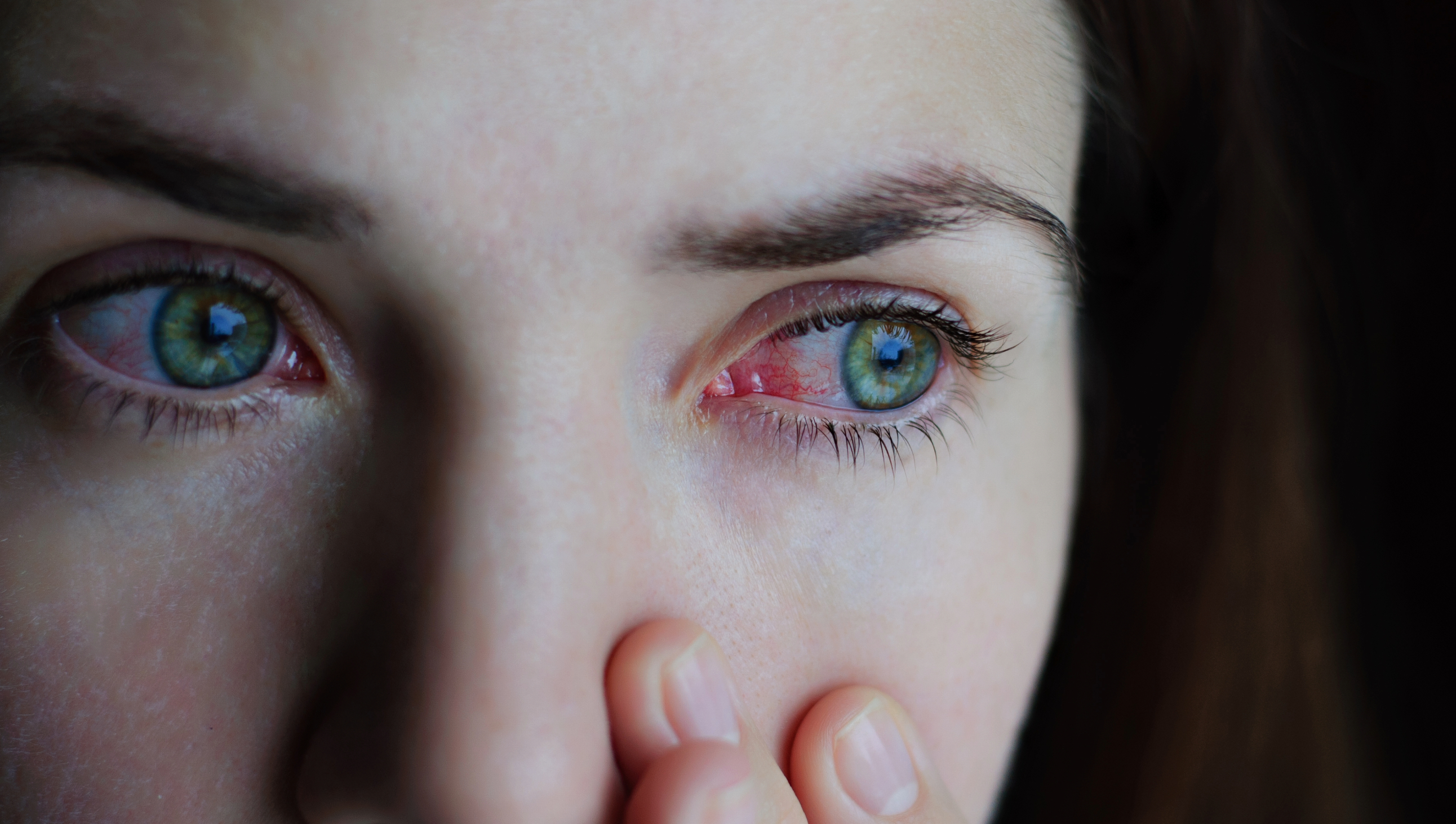

Are your eye symptoms from COVID-19 or just allergies?
Since early 2020, we’ve learned that coronavirus symptoms can vary widely from one person to the next. Two cases of COVID-19 can be as different as night and day.
In some cases, COVID-19 can cause eye symptoms.
Some coronavirus infections don’t cause any symptoms at all. When COVID-19 symptoms are present, they can range from mild, like a common cold, to very severe.
The more serious cases may require hospitalization and can be life-threatening. Knowing which symptoms to look for can be the difference between staying home and seeking potentially life-saving treatment.
COVID-19 symptoms
Doctors now know that COVID-19 can cause much more than respiratory-related symptoms alone, thanks to years’ worth of medical data.
The World Health Organization (WHO) groups coronavirus symptoms into three types:
Common symptoms:
- Fever at or below 100.4 F (38 C)
- Dry cough
- Fatigue
Less common symptoms:
- Pink eye (conjunctivitis)
- Aches and pains throughout your body
- Sore throat
- Diarrhea
- Headache
- Loss of taste and/or smell
- Rash
- Discolored fingers or toes
More serious symptoms:
- Breathing problems
- Chest pain or pressure
- Inability to speak or move
- Fever above 100.4°F (38°C)
The U.S. Centers for Disease Control and Prevention (CDC) adds a few more symptoms that may warrant emergency medical attention, such as:
- Any new level of confusion
- Difficulty waking up or staying awake
- Skin, lips or nail beds that take on a pale, gray or blue appearance
When COVID-19 symptoms appear
COVID-19 symptoms can take between two and 14 days to develop after you’ve been exposed. The CDC notes that symptoms can begin mild and elevate to more severe for some individuals.
If you’ve been directly exposed to someone with COVID-19, the CDC recommends staying home and avoiding contact with others. You should remain at home until your fever has been gone for at least 24 hours without taking medication that lowers a fever.
IF YOU THINK YOU MIGHT HAVE COVID-19: First, take a test, and call your family doctor. If you think an eye or vision problem is related to the coronavirus, call an eye doctor. Make sure to call ahead; many doctors’ offices have changed walk-in appointment policies and safety measures since the start of the pandemic.
Coronavirus eye symptoms
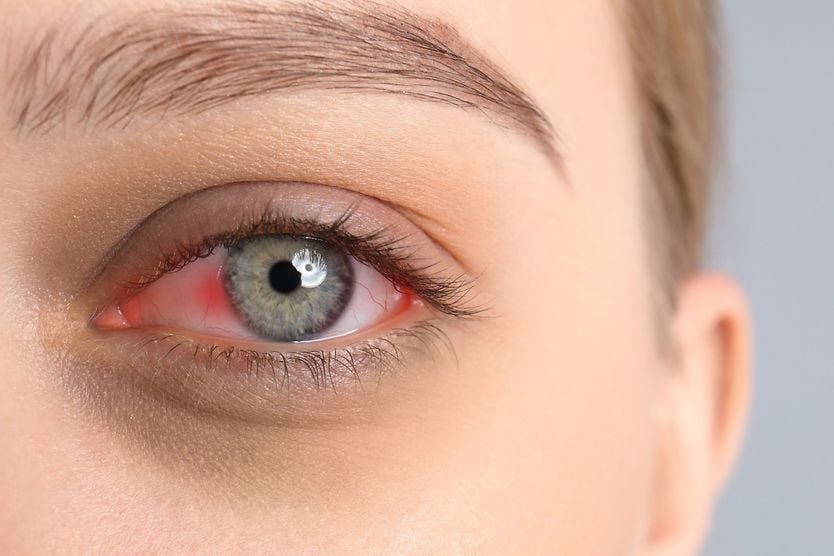
One potentially COVID-19-related eye symptom is pink eye, which is another term for viral conjunctivitis. (Though it’s worth noting that many people use “pink eye” as a blanket term for all forms of conjunctivitis.)
Pink eye is inflammation of the conjunctiva, the membrane inside each eyelid and outside covering the white part (sclera) of each eye. Conjunctivitis often occurs alongside common upper respiratory infections, like colds or the flu, and it can also be a symptom of the COVID-19 virus.
But is it the only eye-related symptom that can come from a coronavirus infection?
Other reported eye symptoms related to COVID-19 include:
If you experience any sort of goopy or colored eye discharge, you should see an eye doctor. This could be a sign of a bacterial eye infection, and treatment may require prescription antibiotics.
Allergy vs. coronavirus symptoms
An important difference between COVID-19 and allergies is the presence of fever. Fever is common in people with the coronavirus, but not in those suffering from seasonal allergies.
Dr. Gary Steven, an allergist who works with the American College of Allergy, Asthma and Immunology, told AARP that you should keep track of what makes your symptoms worse when you’re already feeling bad.
“If you’re fine when you’re indoors and the windows are closed, but then you go out on a dry, windy day and start sneezing your head off, yes, that’s an allergy,” Dr. Steven says.
The Asthma and Allergy Foundation of America reminds us that typical symptoms of COVID-19 are fever, dry cough, shortness of breath and tiredness.
“Many of the early symptoms of COVID-19 are similar to other illnesses and allergies, which can make it difficult to tell early coronavirus symptoms from typical allergies, especially this time of year [spring],” said Dr. John Cohn, director of the allergy and immunology department at Jefferson University.
“Making the correct diagnosis is a particular problem since those infected vary so greatly in the severity of their illness,” he added.
According to a peer-reviewed study, one positive for allergy sufferers is that allergies are not a risk factor for coronavirus infection.
COVID-19, allergies and conjunctivitis
Pink eye develops in only 1% to 3% of COVID-19 cases in adults, according to a press release issued by the American Academy of Ophthalmology (AAO). However, in a study of children with COVID-19, 22.7% showed various ocular manifestations.
But allergies, bacteria and other viruses can also cause pink eye.
If a virus like COVID-19 causes pink eye, the condition usually starts in one eye and moves to the other eye within a few days. Any discharge from the affected eye(s) is normally clear and watery, not thick.
Allergies can also cause conjunctivitis, but its symptoms are a little different from those associated with viral conjunctivitis. Allergic conjunctivitis usually occurs in both eyes and can cause eye itching, tearing and swelling.
Conjunctivitis is diagnosed through a comprehensive eye exam, which can also include:
- A review of your symptoms
- Measurements to find out whether your vision has been affected
- Checkups of the outsides and insides of your eyes
SEE RELATED: Coronavirus linked to pink eye: How to protect your eyes
COVID-19 eye symptoms in Seattle nursing home patients
Red eyes unrelated to pink eye may also be a symptom of COVID-19.
A nurse at the Life Care Center in Kirkland, WA, which had some of the first publicly known cases of COVID-19 in the U.S., mentioned she and other colleagues noticed that what seemed to be “red eye shadow” on the outside of the eyes was common among their patients with COVID-19.
The American Academy of Ophthalmology (AAO) relayed this case as an alert to its members, but a definitive tie between this eye redness and COVID-19 hasn’t been proven.
The AAO has since released guidance that notes doctors should probably only be concerned about COVID-19 if eye redness is joined by more typical coronavirus symptoms, such as fever, fatigue, cough, shortness of breath and/or a loss of taste or smell.
In other words, if your eyes are red and you don’t have other coronavirus symptoms, they’re more than likely caused by eyelid inflammation (blepharitis), an eye infection or allergies.
Even if you do have COVID-19 symptoms, it’s still possible to be infected by a second virus (such as RSV or the flu) that causes red eyes at the same time.
READ MORE: How red eyes relate to COVID-19