The scroll toll: What endless screen time could be doing to our eyes
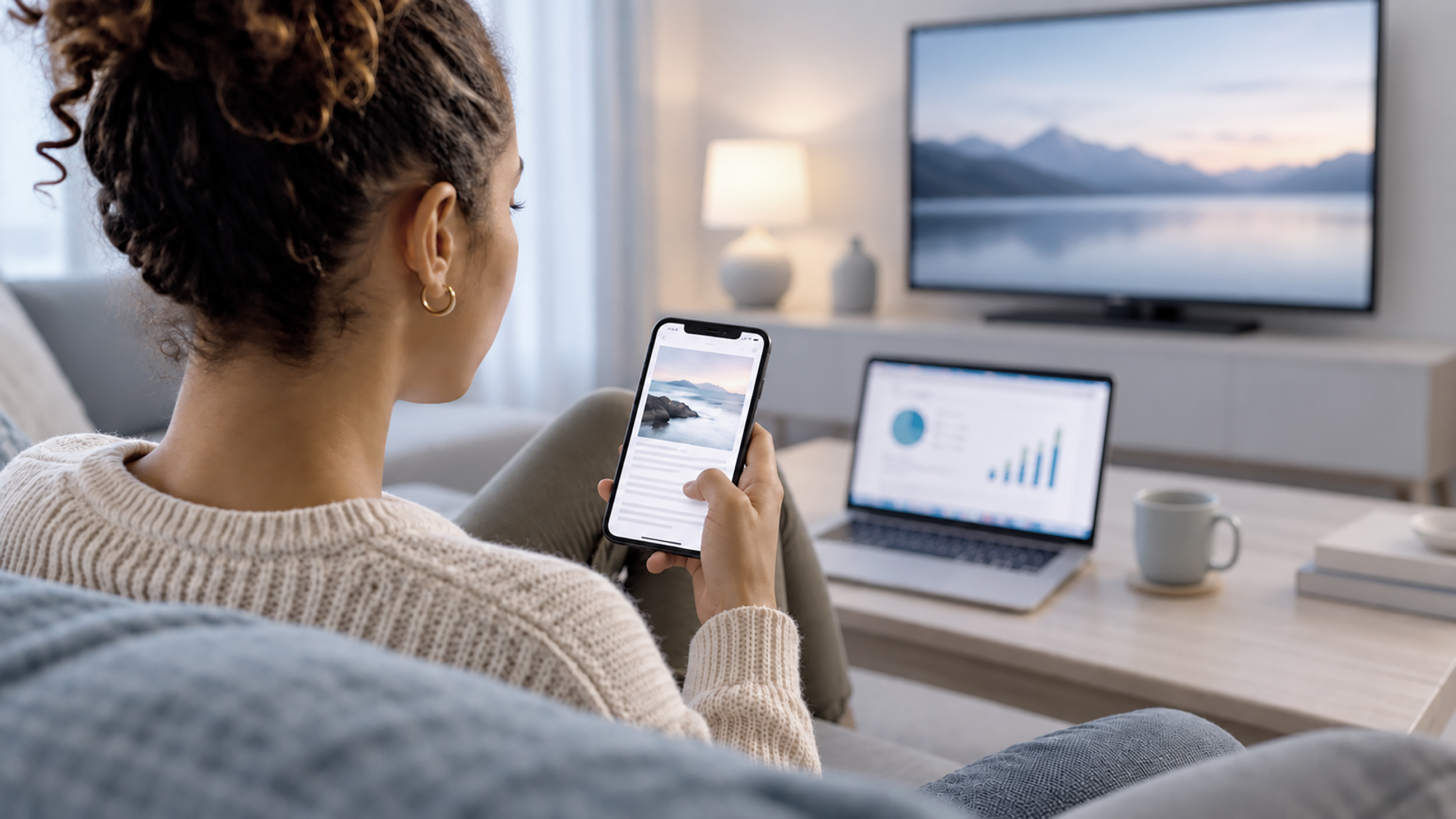

It’s 8:00 in the evening. You’re lounging on the sofa after a long day of computer work with the TV on in the background and your phone in your hand. While you’re scrolling, you come across an article about how too much screen time might contribute to dry eyes, headaches, blurred vision and other symptoms. And then you realize … wait, that sounds just like me!
If this story sounds familiar, you might be one of the millions of people experiencing symptoms of digital eye strain. Digital eye strain, also known as computer vision syndrome (CVS), affects people of all ages, especially now that people spend hours a day looking at screens for work and leisure.
Research shows that more than 50% of people experience symptoms of digital eye strain. Globally, about 90% of digital device users and 77% of people who work on computers experience asthenopia, another word for eye strain.
What is digital eye strain? What causes its symptoms? And how can you reduce the likelihood of discomfort when using digital devices?
In this Q&A with All About Vision (AAV), Mark Rosenfield, PhD, a professor and digital eye strain researcher at the State University of New York (SUNY) College of Optometry, shares some important things to know about this modern-day eye condition.
AAV: What is digital eye strain?
Dr. Rosenfield: Digital eye strain is the discomfort that may result from viewing digital screens for an extended period of time. The most common symptoms are eye fatigue, dry eyes, headaches and blurry vision.
If you’re experiencing symptoms of digital eye strain, you should be sure to check in with an eye care professional. A comprehensive eye exam can help to make sure there are no undiagnosed vision problems that could make your symptoms feel worse.
People with certain eye conditions, such as chronic dry eye and adults with age-related presbyopia (a reduced ability to read close up without corrective lenses), may experience digital eye strain more often or more intensely. They should make sure to ask their eye doctor if they start to experience any new symptoms or changes to their vision.
AAV: Why do screens make your eyes uncomfortable?
Dr. Rosenfield: It’s not necessarily the technology of the screens themselves that causes eye strain. Instead, the symptoms of digital eye strain can occur because of subtle changes to how the eyes function when concentrating on screens.
Concentrating on screens can affect the rate at which we blink. We might not blink as often, or we might experience “incomplete blinks,” where the eyelid doesn’t fully close. Incomplete blinks aren’t as good at spreading a layer of tears over the front of the eye to keep it moisturized. As a result, your eyes dry out faster and that can cause a feeling of irritation.
Smartphones can be some of the worst offenders because we hold them so close to our faces. Most people hold their phones as close as six to eight inches away because the text size on the screen is so small. The closer you hold your phone, the harder your eyes have to work in order to focus on the target. That can tire your eyes out very quickly.
And you might be putting even more strain on the rest of your body if you’re hunched forward while using your device. Poor posture can contribute to headaches and muscle soreness in your neck and shoulders. Add that to eye fatigue and dry eyes, and you can start feeling very uncomfortable very quickly.
AAV: Do digital screens permanently damage your vision?
Dr. Rosenfield: There isn’t a known risk of long-term vision damage from digital eye strain. However, the symptoms can start to become more constant if you’re using screens improperly all the time because your eyes don’t have a chance to rest and recover.
Ongoing pain and discomfort from digital eye strain can affect your quality of life and how well you can do your work. If you have a bad headache and your eyes are painfully dry, you might have trouble concentrating on details or start making mistakes.
AAV: What about blue light produced by screens? How does that affect the eyes?
Dr. Rosenfield: The latest research shows no direct link between the blue light that comes from computer screens and damage to the retina.
Some people wear blue-violet light filtering glasses or turn their phones to dark mode to reduce potential risks from exposure to blue light. But there is little evidence that blue-violet light filtering glasses have an effect on eye strain.
However, there is significant evidence that blue light can significantly impact the sleep cycle. Using screens late at night, for example, can have a negative impact on the quality and duration of your sleep, as well as your alertness the next day.
Putting down your phone, tablet or e-reader an hour or two before bed can reduce disruptions to your sleep cycle caused by blue light exposure.
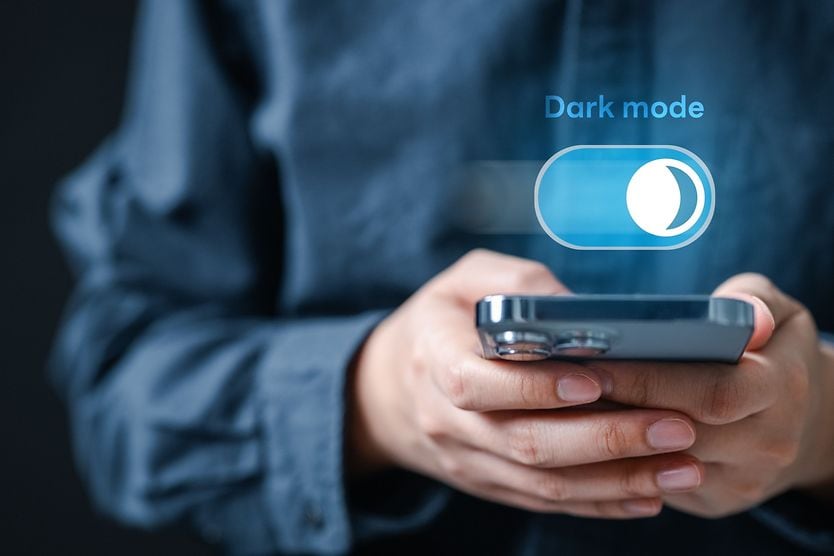
AAV: Speaking of “dark mode,” does it make a difference when using phones, tablets or computer screens?
Dr. Rosenfield: Some experts believe that “dark mode” can reduce the amount of blue light coming into your eyes, and potentially limit digital eye strain.
My team is actually running a study right now on whether using dark mode on a phone or tablet can make screen use easier on the eyes. It’s an emerging area of research. There is a lot of work being done to understand exactly how screens are affecting our eyes.
AAV: How can you reduce digital eye strain while using devices?
Dr. Rosenfield: Since most people can't simply stop using digital devices, the goal is to develop habits that reduce eye strain. The first thing we should think about is taking breaks. But don’t take a break from looking at the computer by checking your phone! You have to take a real break from concentrating on a screen, ideally for as long as possible.
You might have heard of the 20-20-20 rule for eye strain, which encourages you to take a 20-second break every 20 minutes by looking at an object 20 feet away. It’s a good place to start. But we think you probably need five minutes or so to let the eyes rest and reset a little bit.
That’s not always practical, of course. In the workplace, supervisors are usually okay with a 20-second pause, but a five-minute break several times an hour might not be quite as acceptable. Still, taking breaks whenever possible is important and definitely a good idea.
AAV: What else can people do to avoid or reduce digital eye strain?
Dr. Rosenfield: You can make adjustments to your device to make digital eye strain less of a problem for you. For example, consider using a larger text size or even a larger device. A tablet (instead of a smartphone) can be a better option for someone who struggles to read small fonts.
Your surroundings matter, too. You can reduce glare on the screen by making sure there is correct lighting in the room. Diffuse or ambient light sources can cause less glare than strong overhead lighting. In addition, try to keep heating and air conditioning vents from blowing directly at your face, which can dry out eyes even more.
Last but not least, make sure that you get a comprehensive eye exam and are using the correct prescription glasses or contact lenses. Especially as you get older, you might find that you need corrective lenses when looking at phones or tablets. An eye doctor is going to be your best resource to help you identify and manage symptoms of digital eye strain.